Find a Multicultural Concerns Therapist in United Kingdom
On this page you will find therapists across the United Kingdom who focus on multicultural concerns, identity, and cross-cultural stress. Browse the listings below to compare specialties, languages, and locations and find a practitioner who fits your needs.
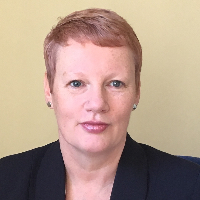





Prisca Coull
BACP
United Kingdom - 6 yrs exp


















Understanding multicultural concerns therapy for United Kingdom residents
If you are navigating questions about identity, belonging, or cultural clash, multicultural concerns therapy is designed to address the ways culture, race, migration, language, religion, and social context shape your experience. In the United Kingdom these conversations are shaped by a long history of migration and by communities with diverse cultural heritages. Therapy that focuses on multicultural concerns makes room for those contexts rather than treating symptoms as if they exist in isolation.
Therapists who work in this area often attend to both personal and social factors. You and a therapist will explore how social expectations, family history, and public attitudes affect your daily life and wellbeing. That might include the emotional impact of discrimination, pressures to assimilate, intergenerational differences in values, or the challenge of forming a coherent sense of self when you belong to multiple cultural worlds. The aim is to help you understand these dynamics, develop coping strategies that feel authentic to you, and make practical changes in relationships and environments when needed.
How to find specialized help in the United Kingdom
Finding a therapist who understands your cultural background can make a significant difference. Start by searching for clinicians who list multicultural competence, cross-cultural experience, or work with migration and identity issues in their profiles. Many therapists note the languages they speak and the communities they work with, which can help you narrow your search if language or shared background is important to you.
Major urban centres like London, Manchester, and Birmingham tend to have larger, more diverse pools of therapists, which increases the chance of finding someone with specific cultural experience. However, practitioners with relevant training can be found across the country. You may also find helpful referrals from community organisations, cultural centres, university wellbeing services, or local mental health charities that serve particular communities.
When you are looking, pay attention to how therapists describe their training and approach. Many mention training in cultural humility, anti-racism practice, or work with refugee and migrant populations. You can also contact a therapist directly to ask about their experience with issues similar to yours and whether they have worked with clients from your cultural background.
What to expect from online therapy for multicultural concerns
Online therapy has expanded access to culturally informed care across the United Kingdom. If you live outside a major city or prefer the convenience of remote sessions, online work allows you to connect with therapists who might not be local but who have the specific expertise you need. Sessions typically take place via video or phone and can be scheduled around your work or family commitments.
Online therapy can be particularly useful if you need a therapist who speaks your language or understands a distinct cultural context that is not well represented where you live. When you choose online therapy, consider practical details such as appointment times, fees, and whether the therapist is able to work with clients based in the UK. You can also ask how they adapt interventions to the cultural frame you bring to therapy and how they build a safe setting for sensitive conversations about race, migration, faith, or identity.
Signs you might benefit from multicultural concerns therapy
You might consider seeking help when you feel persistent tension between competing cultural expectations, when identity questions become a source of distress, or when experiences of prejudice and exclusion impact your daily life. You may notice recurring conflict with family members over cultural traditions, chronic anxiety about fitting in at work or school, or difficulty expressing important parts of yourself to friends and colleagues. Other signs include feeling isolated within your cultural community, experiencing unresolved trauma related to migration or discrimination, or struggling with decisions that involve cultural values such as caregiving, relationships, or religious practice.
These experiences can influence concentration, mood, and relationships. Therapy can provide a space to process events, develop strategies for coping with microaggressions or overt prejudice, and make choices that respect both your cultural inheritance and your personal needs. You do not need to be in crisis to benefit; many people use therapy to gain perspective and strengthen resilience before problems intensify.
Practical tips for choosing the right therapist in the UK
Look for cultural competence and relevant experience
Ask potential therapists about their experience with multicultural work, including whether they have helped clients facing challenges similar to yours. You can enquire about language abilities if that matters to you, and about their familiarity with issues common in the UK such as migration processes, racial stress, or faith-based identity conflicts. A therapist who is candid about their limits and clear about when they would seek consultation or make a referral is often a good sign.
Consider logistics and accessibility
Decide whether you want in-person sessions, online therapy, or a combination. If you prefer meeting face-to-face, geographic proximity matters, and cities like London, Manchester, and Birmingham typically offer a broader selection. For online work, check appointment availability, session length, and whether the therapist offers evening or weekend times if you need them. Cost is another practical factor - some therapists work on a sliding scale or offer low-fee options through clinics, while others provide private appointments.
Prepare questions for an initial contact
When you reach out, consider asking how the therapist frames cultural issues in therapy, what approaches they use, and how they involve family or community when appropriate. You might also ask about personal nature of sessions policies and how they handle sensitive information, how they measure progress, and what a typical first session looks like. Your comfort in these early exchanges can help you judge whether the clinician's style aligns with what you need.
Preparing for your first session and what comes next
Before your first session, think about the topics you want to address and any practical constraints such as childcare, work hours, or language needs. You can bring examples of recent situations that felt difficult or meaningful. Early sessions often focus on building rapport and clarifying goals - you and your therapist will work together to set priorities and agree on a plan for therapy.
Therapy is a collaborative process and it is normal to try a few sessions to see if the fit feels right. If something about the approach or the relationship does not feel helpful, you can discuss adjustments or search for another therapist who might be a better match. Many people find that having a space to talk about cultural dynamics leads to greater clarity and improved relationships both within families and with broader communities.
Final thoughts
Seeking help for multicultural concerns is a proactive step toward understanding how culture shapes your life and toward building a life that reflects your values. Whether you are in a large city, a smaller town, or considering online care, the United Kingdom offers a range of therapists who focus on these issues. Use the listings on this page to review qualifications, read about approaches, and contact practitioners to find a good fit. With the right support, you can explore identity, process difficult experiences, and develop practical ways of navigating cultural complexity in everyday life.