Find an LGBT Therapist in United Kingdom
On this page you'll find LGBT-affirming therapists working across the United Kingdom, offering both in-person and online appointments. Browse the listings below to compare specialties, locations, and therapeutic approaches and find a clinician who fits your needs.
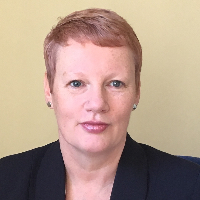







Prisca Coull
BACP
United Kingdom - 6 yrs exp

Nicole Barry
BACP
United Kingdom - 5 yrs exp















How LGBT therapy works for United Kingdom residents
If you are looking for LGBT-focused therapy in the United Kingdom, the process typically begins with searching for clinicians who list sexual orientation or gender diversity as an area of expertise. Many therapists offer an initial consultation by phone or video so you can ask about their approach, experience with LGBT clients, and practical matters like fees and appointment times. Sessions may take place in a clinic, community setting, or online depending on what works best for you. Therapists use a range of evidence-informed approaches such as person-centred therapy, cognitive-behavioural techniques, psychodynamic work, or integrative models - the most important factor is that the therapist has training and experience in issues that affect LGBT people.
Navigating NHS and independent options
The United Kingdom offers a mix of publicly funded NHS services and clinicians who work in independent practice or charitable organisations. NHS mental health services can be accessed through your GP and may include referrals to specialist services, though waiting times vary by region. If you prefer to arrange care directly, independent clinicians and local LGBT organisations can offer more immediate appointments and specialist expertise. You might find more specialised teams and community-focused resources in larger cities like London, Manchester and Birmingham, while rural areas may rely more on online sessions to connect you with experienced therapists.
Finding specialised help for LGBT issues in the UK
When searching for a therapist, look for explicit mention of LGBT-affirming practice, training in gender diversity, or experience with relationship and identity concerns. Directory listings will often include short biographies, qualification details, and the types of clients the therapist works with. You can also check with local community centres, university counselling services, or advocacy organisations for recommendations. In cities such as London and Manchester there are often clinics and community services with specialist teams, while Birmingham has a growing network of practitioners offering culturally informed and language-accessible care.
Questions to ask before booking
It helps to ask about a therapist's experience with issues you are facing - for example coming out, relationship challenges, gender transition support, trauma related to discrimination, or family acceptance. You can also enquire about the therapist's approach to gender identity and pronouns, the kinds of outcomes they work towards, and how they handle referrals to other services if additional support is needed. Most therapists will welcome an initial conversation to see if you feel comfortable working together.
What to expect from online therapy for LGBT clients
Online therapy has become a common way to access LGBT-affirming clinicians across the UK, especially if you live outside major urban centres. You can expect sessions over video call, phone, or text-based messaging, with flexibility to schedule around work or family commitments. Therapists will typically explain how they protect your personal information under UK data protection laws and how sessions are conducted. Online work can be particularly useful if you want to connect with someone who has specific experience - for example, in gender-affirming care or working with certain cultural communities - even if that therapist is located in a different city.
Adapting to remote sessions
To get the most out of online therapy, choose a quiet space where you feel comfortable and limit interruptions. You may find it helpful to test your camera and microphone ahead of time and to discuss any accessibility needs with your therapist in advance. If you are connecting from a shared household, you can ask about alternative formats such as shorter sessions or text-based options until you have a suitable setting for longer conversations. Many people report that online therapy offers continuity and convenience, but you should also feel free to request face-to-face appointments when possible, especially if location allows in cities like London or Birmingham.
Common signs you might benefit from LGBT-focused therapy
You might consider seeking LGBT-affirming therapy if you are experiencing persistent distress related to sexual orientation or gender identity, such as difficulty with coming out, ongoing anxiety about acceptance, or stress from discrimination or microaggressions. Relationship difficulties, family conflict around identity, confusion about gender exploration, or depression and anxiety exacerbated by minority stress are also common reasons people seek specialised support. Transition-related questions - social, medical, or legal - can bring complex emotions that are easier to navigate with a clinician who understands the specific context and pathways in the UK.
When to reach out
There is no single threshold for when to start therapy. If you find that pressure from work, relationships, or identity concerns is affecting your daily life, sleep, or sense of wellbeing, reaching out earlier can provide tools and support to manage those challenges. You do not need to wait until a crisis; many people benefit from therapy as a space to explore identity, set goals, and build resilience in environments that may not always be understanding or affirming.
Tips for choosing the right therapist in the United Kingdom
Start by reading therapist profiles carefully to match on practical needs like location, fees, and availability. Look for clinicians who explicitly state they are LGBT-affirming and who describe relevant experience such as working with trans and non-binary clients, couples counseling for same-sex partners, or trauma-informed practice. Consider accreditation and qualifications listed by UK professional bodies and ask about continuing education in gender and sexuality topics. If cost is a concern, check whether your employer offers employee assistance programmes or whether local charities and community groups offer low-cost counselling options.
Meeting and assessing fit
When you contact a therapist, take the opportunity to assess how they respond to your questions and whether their communication style feels respectful and informed. A good fit often comes down to whether you feel heard and understood, and whether the therapist is willing to collaborate on goals that are meaningful to you. Don't hesitate to try an initial session with one clinician and then continue your search if it does not feel right - finding the right therapeutic relationship can make a significant difference in your experience.
Accessing services in major cities and beyond
If you live in or near London, Manchester, or Birmingham you will likely find a wider range of in-person options, including specialist clinics and multi-disciplinary teams. Smaller cities and rural areas may have fewer local specialists, but online therapy helps bridge that gap and allows you to access clinicians with specific expertise. Community groups, campus services, and local health providers can also provide referrals and information about group programmes or peer support that complement one-to-one therapy.
Ultimately, the right LGBT therapist for you will be someone who respects your identity, understands the social and legal context in the United Kingdom, and helps you develop practical strategies for the challenges you are facing. Use the listings below to compare profiles, ask questions, and arrange an introductory session so you can make an informed decision about the support that will serve you best.