Find a Hospice and End-of-Life Counseling Therapist in United Kingdom
On this page you will find therapists in the United Kingdom who specialize in hospice and end-of-life counseling, offering both in-person and online appointments. Use the listings below to compare therapists by location, approach, and availability. Browse profiles to find support tailored to your needs.
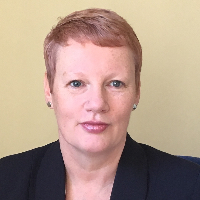















Gifty Ogene
NCPS
United Kingdom - 12 yrs exp







Understanding hospice and end-of-life counseling in the United Kingdom
When you or someone you care about is facing a terminal diagnosis, or when grief related to loss is overwhelming, hospice and end-of-life counseling focuses on emotional, practical, and relational support. In the United Kingdom this work often sits alongside palliative care teams, hospices, community services, and general practitioners to help with planning, meaning-making, and coping. Therapy can help you talk through fears about death, support difficult conversations with family, navigate decisions about care, and prepare for bereavement.
How therapy typically works
You will usually meet with a therapist for regular sessions that may be face-to-face, by video call, or by phone depending on your preferences and needs. Therapists draw on a range of approaches - for example narrative methods that help you tell your story, meaning-centered or existential approaches that explore values and purpose, and grief-focused therapies that help you process loss. Sessions can include one-to-one work, couples or family meetings, and sometimes brief consultations with hospice staff so that everyone involved can coordinate care. Therapy does not take away the reality of illness, but it can change how you carry it day to day.
Finding specialized help in the United Kingdom
Look for therapists who list end-of-life experience or hospice work on their profiles. In larger cities such as London, Manchester, and Birmingham you will find a wider range of specialists, including clinicians who regularly work with hospice teams and palliative care services. Outside major urban centres, therapists may offer remote appointments to reach people in smaller towns and rural areas. You can also ask your GP or local hospice for recommendations, or check professional registration and training to confirm that a clinician has specific experience with grief, loss, or palliative issues.
Credentials and practical considerations
When evaluating a therapist consider their professional registration, years of experience, and any additional training in bereavement or palliative care. Many people find it helpful to read a therapist’s profile to understand their therapeutic approach and whether they work with families or carers. Practical details such as session length, fees, appointment times, and whether they offer home visits or weekend slots will influence whether a therapist is a good fit for your situation.
What to expect from online therapy for hospice and end-of-life counseling
Online therapy can be a very practical option if travel is difficult, if you are juggling hospital appointments, or if you live far from specialist services. Video sessions allow face-to-face connection without leaving home, and phone sessions can be easier if you prefer not to be on camera. To make the most of online work you will need a device with a stable internet connection and a quiet, private space for your session. Many therapists will check in about boundaries, how to handle interruptions, and what to do in emergencies before you begin. While online work cannot replace hands-on nursing care, it does allow continuity of emotional support when in-person meetings are not possible.
Common signs someone might benefit from hospice and end-of-life counseling
You might consider seeking counseling if feelings of anxiety, sadness, or anger linked to illness become hard to manage, if conversations about wishes and decisions repeatedly break down, or if family members are in conflict about care. Caregivers who are exhausted, overwhelmed, or unable to ask for help often find value in targeted support. Anticipatory grief - the sense of loss that occurs before a death - can also be distressing and is a common reason people reach out. If you notice persistent sleep disruption, increasing isolation, or difficulty participating in day-to-day routines, therapy may help you find ways to cope and re-establish a sense of meaning and connection.
Tips for choosing the right therapist for this specialty in the United Kingdom
Begin by clarifying what you hope to achieve - whether it is help with complex family conversations, support while making care decisions, or processing grief after a loss. Compare profiles to find therapists who mention hospice, palliative care, bereavement, or end-of-life work. It is reasonable to ask about experience with similar situations and whether the therapist has worked alongside hospices or hospital teams. Consider cultural and language needs too, especially if you or your family would benefit from a clinician who understands particular religious, cultural, or linguistic contexts. Trust your instincts about how comfortable you feel during an initial call or first session - that rapport is often the most important factor in effective therapy.
Questions to ask before you start
Before you commit to ongoing sessions, you may want to ask how the therapist approaches end-of-life conversations, whether they include family in sessions, what happens if sessions are interrupted by a crisis, and how they coordinate with other providers if you give permission. Discussing practical matters such as fees, cancellation policies, and whether they offer a short initial meeting can help you make an informed choice. If cost is a concern, inquire about sliding scales, reduced-fee options, or local charities that may offer support.
Working with health services and community resources
Therapists in the United Kingdom frequently work alongside NHS palliative teams, hospice outreach services, and community organisations that offer day centres, volunteer support, and practical help. If you are already connected to a hospice or palliative care team they can often help with referrals and with coordinating psychological input. You can also ask about bereavement groups or family support programmes run by hospices in cities like London, Manchester, and Birmingham, which may complement one-to-one sessions and provide peer connection.
Practical steps to get started
Start by noting the most pressing issues you want help with and the format that would suit you best - in-person, online, or a combination. Use the listings on this page to narrow options by location, availability, and approach. Contact a few therapists to get a sense of how they work and whether they match your needs. Prepare for the first session by thinking about immediate concerns, any recent changes in health or caregiving responsibilities, and who else might need to be involved. Remember that it is common to meet more than one therapist before you find the right fit - finding the right person can make a meaningful difference in how you experience this time.
If you are supporting someone else, you do not have to manage alone. Reaching out for hospice and end-of-life counseling can provide emotional tools, practical strategies, and a calmer space to plan for the future. Whether you are in a major city or a smaller community, help is available and tailored to the realities of life in the United Kingdom.