Find a Forgiveness Therapist in United Kingdom
This page brings together therapists in the United Kingdom who list forgiveness as a focus area, including clinicians offering in-person and online sessions. Browse the listings below to compare approaches, locations and availability, and contact professionals who match your needs.

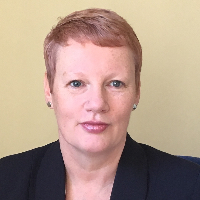












Prisca Coull
BACP
United Kingdom - 6 yrs exp










How forgiveness therapy works for people in the United Kingdom
Forgiveness therapy helps you explore the emotional, cognitive and relational effects of hurt, loss or betrayal so that you can decide how to move forward. In the United Kingdom this work is offered by therapists using a range of evidence-informed approaches - cognitive-behavioural techniques, narrative methods, compassion-focused practices and trauma-aware frameworks are common. A therapist will typically begin with an assessment to understand your situation, what forgiveness means to you and what obstacles you face. From there, sessions focus on processing emotions, reframing stories you tell yourself and developing practical skills to reduce rumination and restore agency in relationships.
This kind of therapy does not demand that you forget or condone harmful actions. Instead it supports you in clarifying your values, setting healthy boundaries and deciding whether reconciliation fits your circumstances. You can expect a gradual process that balances emotional work with practical strategies, often tailored to cultural, religious or family contexts found across the United Kingdom.
Finding specialized forgiveness help in the United Kingdom
When looking for a therapist who specialises in forgiveness work, you will want to search beyond general counselling listings to find clinicians who explicitly mention forgiveness, reconciliation, resentment or healing after betrayal. Therapists based in major cities such as London, Manchester and Birmingham may offer a wide variety of specialisms and more flexible appointment times. If you live outside larger urban centres, online sessions expand your options and let you connect with practitioners who have specific experience with your kind of situation.
Consider the therapist's description of their approach and training. Many practitioners in the UK will reference particular models or additional training in trauma-informed care, couples work or faith-sensitive counselling. If your experience is shaped by cultural or religious factors, look for a therapist who understands those influences and can integrate them into the work. You can also check whether a therapist belongs to a recognised professional body and whether they offer an initial conversation to see if the fit feels right.
What to expect from online therapy for forgiveness
Online therapy has become a practical option across the United Kingdom and is especially useful if you have a busy schedule or live in areas with fewer local specialists. In an online session you will typically meet by video or phone for the same length of time as an in-person appointment, and the structure of the work is similar - assessment, goal-setting and steady progress through emotional and cognitive tasks. Many people find online sessions allow for greater flexibility and continuity, particularly when travel or family obligations would otherwise make attendance difficult.
To get the most from online forgiveness therapy, arrange a comfortable, quiet space where you can be uninterrupted and free to reflect. Ask the therapist about their approach to managing strong emotions remotely, how they handle session boundaries and how to reach them between sessions if urgent concerns arise. While online work removes travel barriers, it can require additional attention to building a trusting therapeutic relationship, so expect a bit more time at the start to establish rapport and practical routines.
Technical and practical considerations
Make sure you have a reliable internet connection and a device with a camera and microphone if you choose video sessions. Some therapists offer phone-only appointments if video is not possible. Discuss session length and frequency up front, and check cancellation policies and fees so you can plan your commitment. Many therapists in larger cities will accommodate evening or weekend appointments to fit working schedules.
Common signs you might benefit from forgiveness therapy
You might consider forgiveness therapy if you find yourself repeatedly thinking about a past hurt in ways that interfere with your day-to-day life. Persistent anger, ongoing resentment, difficulty trusting others, strained family relationships and an inability to move forward after a breakup or betrayal are common prompts. People often seek help when they notice patterns such as avoiding important conversations, replaying the event in your mind, or seeing negative impacts on work, parenting or friendships.
For others, the motivation may be less about one dramatic event and more about a sense of being stuck - carrying emotional weight that affects mood, sleep or the ability to make decisions. Sometimes the desire to reconcile with a family member or to forgive yourself for past actions brings people into therapy. In all of these cases, forgiveness-focused work can offer tools to reduce reactivity, process emotions and make clearer choices about relationships.
Tips for choosing the right forgiveness therapist in the United Kingdom
Start by clarifying what you want to achieve - whether you are seeking to repair a relationship, let go of bitterness, develop healthier boundaries or understand repeated patterns. Use those goals when you read profiles so you can identify therapists who align with your needs. Pay attention to descriptions of approach and experience; some practitioners emphasise skills training and behavioural experiments while others foreground meaning-making, faith-sensitive support or couple-centred work.
Consider practical factors such as location, fees and appointment times. If you prefer in-person sessions, look for therapists close to you in London, Manchester, Birmingham, Edinburgh or Glasgow to reduce travel stress. If affordability is a concern, ask about sliding scale fees or low-cost clinics. Many therapists offer a brief initial call or consultation so you can assess whether their style feels comfortable and whether their proposed plan matches your expectations.
During that first conversation it is reasonable to ask how they define forgiveness in therapeutic terms, what techniques they commonly use, how they measure progress and what a typical course of work might involve. You may also want to discuss how they adapt work for cultural, religious or trauma-related issues. A good therapist will listen to your concerns and provide a clear explanation of how they would support you.
Working across the UK - urban and regional considerations
In larger cities such as London and Manchester you may find a broader range of specialisms and niche services, from faith-informed forgiveness work to therapists who focus on intergenerational family disputes. Birmingham offers a centrally located hub for many Midlands residents, and for those in Scotland, Edinburgh and Glasgow host clinicians attuned to local cultural and legal contexts. If you live in a more rural area, online therapy can bridge geographic gaps while still allowing you to access specialists with relevant experience.
Whichever setting you choose, look for a therapist who communicates clearly about session structure, personal nature of sessions practices and boundaries so you can feel comfortable engaging in often sensitive work. Forgiveness therapy is personal and sometimes challenging, but with a therapist whose approach resonates with you it can become a practical path toward clearer decisions and reduced emotional burden.
Next steps
Begin by browsing therapist profiles to narrow your options by approach, experience and availability. Take advantage of introductory calls to get a sense of how the therapist listens and whether their proposal feels right for your goals. Whether you choose face-to-face sessions in a city nearby or online appointments that fit your schedule, the right therapeutic relationship can help you explore forgiveness on your terms and find ways to move forward that respect your needs and values.