Find a Female Therapist in United Kingdom
This page lists female therapists working across the United Kingdom, including practitioners in London, Manchester and Birmingham. Browse the listings below to review qualifications, therapeutic approaches and appointment options.


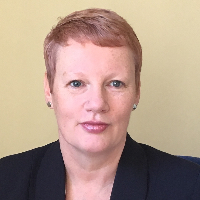

















Prisca Coull
BACP
United Kingdom - 6 yrs exp



How female therapist therapy works for United Kingdom residents
When you look for a female therapist in the United Kingdom you are seeking a professional who brings both clinical training and a gender-informed perspective to sessions. Therapy typically begins with an initial assessment where the therapist explores what brought you to seek support and what outcomes you hope to achieve. From that foundation a treatment plan is developed that may focus on short-term goals, longer-term personal growth, or a mix of both. Across clinics and practices in cities from London to Glasgow, therapists will explain their approach and outline what a typical session schedule might look like so you can decide if it feels like a good fit.
Formats and session structure
Most female therapists offer a mix of in-person and online sessions. In-person work may take place in community clinics, private practices or wellness centres, while online appointments are held via video or telephone. Sessions commonly last around 50 to 60 minutes and are scheduled weekly at the start of therapy, with the frequency adjusted as progress is made. You can expect a collaborative process where practical strategies, reflective exploration and skill-building are balanced according to your needs.
Finding specialized help for female therapist needs in the United Kingdom
Specialized help means therapists who have additional training or extensive experience with issues that disproportionately affect women or who prefer to work with female-identifying clients. You may look for clinicians who list areas such as perinatal mental health, menopause-related concerns, relationship and sexual health, trauma, or life-stage transitions. In major urban centres like London, Manchester and Birmingham there is often a wider range of specialists and multidisciplinary teams, while smaller cities and towns may offer therapists with broader generalist skills who can still provide excellent care.
Where to look and what to check
Begin by narrowing searches by location and modality - whether you prefer face-to-face appointments in a city practice or the convenience of online sessions. Review therapist profiles for clear information about training, therapeutic modalities and client focus. Accreditation with recognized UK professional bodies and clear information about fees and appointment policies are useful markers when comparing practitioners. If cultural background, language, or faith-sensitive practice matters to you, look for therapists who highlight those competencies in their profiles so that the first step of contact feels respectful and relevant.
What to expect from online therapy for female therapist concerns
Online therapy has become a standard option and can suit many life situations. If you are balancing work, childcare or travel between cities such as Edinburgh and Glasgow, remote sessions can offer continuity without commuting. You should expect much the same core therapeutic content as in-person work - assessment, goal setting, therapeutic techniques and homework - adapted for the digital setting. Therapists will typically check technology, privacy and boundaries at the start of the first online meeting and agree on contingency plans if a connection is lost. Many people find online therapy convenient and effective, though some prefer in-person meetings for certain types of work, for example complex trauma or somatic-focused approaches.
Preparing for your first online session
Choose a quiet, comfortable place where interruptions are unlikely and make sure your device camera and microphone work. Have a notepad if you want to jot down observations or tasks. You may want to ask the therapist beforehand about session length, payment methods and the process for cancelation or rescheduling. Clear communication about expectations helps both of you begin working together efficiently.
Common signs that someone in the United Kingdom might benefit from female therapist therapy
There are many reasons people seek out a female therapist. You might be experiencing persistent low mood, anxiety or stress that interferes with daily functioning. Relationship difficulties, including communication challenges or patterns of conflict, often prompt people to seek support. Women may seek therapists for life transitions such as becoming a parent, navigating career changes, or coping with reproductive and hormonal health concerns. Past experiences of trauma or abuse can also lead someone to look for a therapist who understands trauma-informed care and the specific ways it can affect women. If emotional reactions feel overwhelming, if sleep, appetite or work performance are affected, or if coping strategies that used to work no longer do, it can be helpful to talk with a clinician about next steps.
Tips for choosing the right therapist for this specialty in the United Kingdom
Start with a clear idea of what you want from therapy - symptom relief, coping skills, deeper self-understanding or a combination. Look for therapists who describe their methods and experience in terms that match your needs. Check for accreditation with recognized UK professional bodies and read any available client feedback. Consider logistics like location, appointment times and whether the therapist accepts NHS referrals or works privately. If cost is a factor, ask about sliding scale fees or concessionary rates. When you contact a therapist, use the initial conversation to explore rapport - the therapist's tone, willingness to answer questions and ability to explain their approach in plain language are all important indicators of fit.
Making the first contact and evaluating fit
During an initial consultation you can expect to discuss your reasons for seeking therapy, recent history and what you hope to achieve. Pay attention to whether the therapist listens without judgment, reflects your concerns accurately and offers a clear outline of how they might work with you. It is normal to feel some apprehension before the first appointment; feeling a basic sense of respect and understanding from the therapist is more important than finding someone who promises quick fixes. If after a few sessions the fit does not feel right, it is reasonable to discuss this with the therapist and consider transferring to another clinician who better matches your style and needs.
Practical considerations for residents across major UK cities
If you live in London you may find a wide range of specialist clinics and group-based options alongside private practice. In Manchester and Birmingham there are robust services and growing networks of therapists offering both in-person and remote work. Scotland’s cities, including Edinburgh and Glasgow, provide regional resources and communities of practice that reflect local needs. Where you live can influence wait times and fee levels, but online options have made it easier to access therapists outside your immediate area. Think about travel time, accessibility and the environment where you will meet - a calm, comfortable setting can support the therapeutic process regardless of whether appointments are online or in-person.
Choosing a female therapist is a personal decision and taking the time to review profiles, ask questions and reflect on the first few appointments will help you find a professional who can support your goals. Therapy is a collaborative journey - with the right match you can build understanding, develop new coping strategies and move toward the changes you seek.