Find a Divorce Therapist in United Kingdom
This page brings together therapists who specialise in divorce and separation across the United Kingdom. Use the listings below to compare professional profiles, specialties and session options and find the right fit.


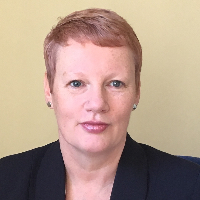














Prisca Coull
BACP
United Kingdom - 6 yrs exp







How divorce therapy typically works for United Kingdom residents
When you reach out for divorce therapy in the United Kingdom you can expect an initial conversation that focuses on your immediate needs - emotional support, managing conflict, co-parenting or planning for next steps. That first contact is often used to establish practical details such as session length, fees, availability and whether the therapist offers face-to-face appointments, video sessions or phone work. In many cases the therapist will invite you to a short assessment to understand the history of the relationship, current stressors and any legal or parenting arrangements that are already in place.
Therapy may be offered on an individual basis to help you process loss, anger and decision-making, or on a couple basis to work on communication and separation agreements. Some therapists also provide sessions that include children or extended family when it is helpful and appropriate. Because separation often intersects with legal and financial processes, therapists usually focus on emotional coping, communication skills and practical strategies rather than providing legal advice. If needed, they can suggest ways to coordinate with solicitors, mediators or family support services in your area.
Finding specialised help for divorce in the United Kingdom
Finding a therapist with relevant experience can make a difference in how supported you feel. Look for practitioners who describe divorce, separation, family breakdown or co-parenting in their specialisms. Many therapists will note experience with relationship endings, grief and life transitions. You might prioritise clinicians who have worked with clients navigating family court, child arrangements or high-conflict separations if those issues are part of your situation.
Geography can matter when you need in-person appointments or local knowledge. In London you will generally find a broad range of specialists, including clinicians who have experience with complex or high-net-worth cases. Manchester and Birmingham also have strong clinical communities with professionals who understand regional family services and local court processes. If you live in Scotland - in cities like Edinburgh or Glasgow - look for therapists who are familiar with Scots family law and local support networks. If you prefer online work, many UK therapists are able to offer remote sessions to connect you with someone who matches your needs regardless of location.
What to expect from online therapy for divorce
Online therapy has become a familiar option across the United Kingdom and offers a flexible way to access support during separation. Sessions are commonly delivered by video and mirror the structure of in-person appointments, with opportunities to explore emotions, plan next steps and practice communication techniques. Online work can be especially helpful if you have childcare responsibilities, live outside major cities or need appointments outside typical office hours.
To make remote sessions effective, choose a quiet private space where you can speak without interruption, check that your internet connection is stable and consider using headphones for better sound quality. Therapists will outline how they handle notes, records and session length, and you should ask about their approach to missed appointments or technical difficulties. If you are considering joint online sessions with an ex-partner, discuss ground rules in advance so that both people feel respected and there is clarity about how to handle sensitive topics.
How online and in-person options work together
Some people combine online and face-to-face appointments depending on what feels most useful - for example meeting in person for an initial assessment and then using video sessions for follow-up work. Others prefer to keep a mix because online meetings can be easier to schedule around legal appointments, mediation or childcare. Discussing format options with potential therapists will help you set expectations and find a rhythm that supports your recovery.
Common signs you might benefit from divorce therapy
There is no single signal that therapy is necessary, but several experiences often prompt people to seek support. You might notice persistent low mood, increased anxiety or difficulty sleeping that does not ease with time. Decision-making can feel overwhelming, and you may find it hard to concentrate at work or to manage day-to-day tasks. Escalating conflict with an ex-partner, recurring arguments about child arrangements or a sense of being stuck in the same emotional patterns are also common reasons to reach out.
If you are parenting through separation, you might struggle with boundaries, feel unsure about how to explain changes to children, or notice that family routines are breaking down. Some people turn to therapy because they want help processing grief, rebuilding their social life, or planning for financial and housing changes. Even if your immediate concerns feel practical, a therapist can help you manage the emotional load so you can make decisions with greater clarity.
Tips for choosing the right therapist for divorce work in the United Kingdom
When choosing a therapist you will want to pay attention to experience, approach and practical details. Read profiles carefully to see whether divorce, separation or family transitions are highlighted as specialisms. Look for descriptions of therapeutic methods and ask yourself which approach might fit your preferences - whether you want structured skills work, deeper exploration of emotions, or a solution-focused emphasis. It is normal to interview a few practitioners before making a decision.
Consider practicalities such as appointment times, fees and cancellation policies. If you have children, ask about family or child-inclusive work and whether the therapist has experience supporting co-parenting arrangements. If court involvement is likely, enquire whether the therapist has experience working alongside legal professionals and what they can and cannot provide in terms of reports or testimony. Cultural awareness and language needs are important too - if you would prefer a therapist who understands a particular cultural background or can offer sessions in another language, make this clear when you search.
Trust and rapport are central to effective therapy. An initial consultation is an opportunity to assess how comfortable you feel, whether the therapist listens and whether their proposed plan aligns with your goals. If the first fit does not feel right it is reasonable to try another practitioner - finding someone you trust tends to produce better outcomes than sticking with a poor match.
Taking the next step
Start by browsing the profiles below to identify therapists who specialise in divorce and work in the format you prefer. Reach out with a brief message outlining your situation and questions about availability, fees and approach. Many therapists will offer a short introductory call or meeting so you can get a sense of whether you feel comfortable working together. Whether you are at the beginning of a separation, navigating co-parenting or rebuilding after a final order, accessing specialist support can help you manage the challenges with clearer thinking and better emotional balance. If you live in or near London, Manchester or Birmingham, you may have additional in-person options; if not, online sessions can connect you with experienced clinicians across the United Kingdom.