Find a Depression Therapist in United Kingdom
This page brings together listings of therapists who work with depression across the United Kingdom. You can browse clinicians by location, approach, and client focus to find options that suit your needs.
Scroll the listings below to compare profiles and reach out to therapists in your area or online.



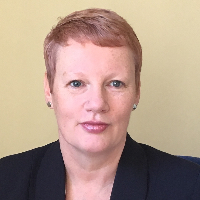


















Prisca Coull
BACP
United Kingdom - 6 yrs exp


How depression therapy works for people in the United Kingdom
Therapy for depression in the United Kingdom typically begins with an assessment where a therapist asks about your current experience, mood patterns, sleep, appetite, daily functioning, and any previous treatment. That initial conversation helps establish whether talking therapy, a combination of therapy and medication, or referral to NHS services is most appropriate. In both NHS and private settings, you and your therapist will usually agree on goals and the approach you want to try. Sessions commonly run on a weekly or fortnightly schedule and are shaped around practical strategies, emotional exploration, and building skills to manage low mood.
If you are using NHS services, pathways and waiting times can vary by region and by demand. In larger cities like London and Manchester there may be a wider range of specialized clinics and faster access to particular programs, while smaller towns may rely on general mental health teams. Choosing a therapist outside of NHS provision offers more flexibility in scheduling and modality, though it involves fees. Many people blend both routes - working with a GP for medication or referrals while attending therapy privately or online to focus on day-to-day coping and deeper patterns.
Finding specialized help for depression in the United Kingdom
Specialist support is available for different types of depression and for people at different life stages. If your depression is related to pregnancy or the postnatal period, you can look for practitioners with perinatal experience. If it began in adolescence, seek clinicians who work with teenagers and young adults. Therapists who specialize in mood disorders often list their training and areas of interest on their profiles, which helps you identify those with the right background. In cities such as Birmingham and Manchester you may find specialist clinics that focus on resistant depression or offer combined care with psychiatrists.
Your GP can be an important first point of contact and can advise on local NHS programs, referrals, and whether medication might help while you engage in therapy. Employers, universities, and community mental health charities also run referral routes and low-cost services that complement mainstream options. When you search for therapy options, consider the therapist's theoretical approach, whether they offer short-term structured therapy or longer-term psychotherapeutic work, and whether their experience matches your specific concerns.
What to expect from online therapy for depression
Online therapy has become a common and accessible way to receive treatment for depression. You can expect sessions by video, sometimes by phone, or through text-based messaging depending on the clinician. Online work mirrors in-person therapy in many ways - you will meet regularly with a therapist, set goals, and explore thoughts, feelings, and behaviours that maintain low mood. The main differences are practical: you save travel time, you can access clinicians based in different parts of the United Kingdom, and scheduling can be more flexible around work or caring responsibilities.
To get the best experience from online therapy you should choose a quiet, comfortable environment for sessions and test your connection and device beforehand. Therapists will explain how they manage safety planning, what to do in a crisis, and how to contact emergency services locally if needed. Online therapy is particularly useful if you live outside major centres such as London or Birmingham, or if mobility and transport make in-person appointments difficult. Many therapists combine online sessions with occasional face-to-face meetings if that is helpful and possible.
Common signs you might benefit from depression therapy
You might benefit from talking to a therapist if you notice persistent low mood that affects your enjoyment of life, relationships, work, or study. People often describe a loss of interest in activities they used to enjoy, ongoing fatigue, changes in sleep or appetite, difficulty concentrating, and a sense of hopelessness that does not lift with time. You may also find yourself withdrawing from social contact, feeling unusually irritable, or relying on substances to numb feelings. If these changes last for weeks rather than days, it is sensible to seek assessment.
If you are experiencing thoughts of harming yourself or of not wanting to be alive, it is important to get immediate help. Contact your GP, emergency services, or local crisis team right away. Therapists and NHS services can work with you to create a safety plan and connect you with urgent support. Reaching out early does not mean you are weak - it means you are taking a practical step toward feeling better.
Tips for choosing the right therapist for depression in the United Kingdom
Choosing a therapist starts with matching on practical and professional criteria. Think about whether you prefer in-person sessions or remote work, which locations are convenient for you if you want face-to-face appointments, and whether session times need to fit around work or family life. In cities like London and Manchester you will often find a broad range of backgrounds and specialisms, whereas in less populated areas you may have fewer local options and find online therapy helpful. Look for therapists who describe training in evidence-based approaches to depression, and who state clear experience with the populations you belong to - such as young adults, parents, older adults, or workers under high stress.
Professional affiliation matters because recognised UK bodies set standards for training and practice. When you review a clinician's profile, pay attention to their qualifications, years of experience, therapeutic approach, and whether they explain how they work with medication and other healthcare providers. It is reasonable to contact more than one therapist to ask short questions about availability, fees, cancellation policies, and how they typically structure sessions. The initial conversation can give you a sense of whether their style and interpersonal fit feel right.
Cost, waiting times, and access
Cost and waiting times vary across the United Kingdom. NHS services may offer low-cost or no-cost therapy but can involve waiting lists depending on local capacity. Private therapy involves fees that vary by clinician and location. In larger cities like London fees may be higher than in regional centres, though online sessions can even out differences. Some therapists offer a sliding scale or shorter initial assessments at reduced rates. If cost is a concern, explore community services, university clinics, or local charities that provide subsidised support.
Preparing for your first appointment
Before your first appointment it helps to reflect on what you most want to change or understand about your mood. You might note patterns around sleep, energy, triggers, and what you have already tried to feel better. Bring any relevant medical information and be ready to discuss medication if you are taking any. Your therapist will ask about your current circumstances and may suggest an initial plan for several sessions. It is normal to feel nervous at first; trust that early sessions are for building rapport and clarifying goals.
Continuing care and when to review progress
Therapy for depression often involves regular review points where you and your therapist assess how things are changing. You should feel empowered to raise concerns about pace, focus, or technique. If you do not notice any improvement after a reasonable period, discuss adjustments with your therapist - that could include trying a different approach, involving your GP, or exploring combined treatments. In many cases continued therapy helps you develop lasting skills for mood management and resilience, and knowing when to step down or pause therapy is part of the work you will do together.
Finding the right therapist in the United Kingdom is a personal process, and it is okay to take time to compare options. Whether you are searching in London, Manchester, Birmingham, or elsewhere, use clinician profiles, initial conversations, and local advice to find a practitioner who feels like a good fit. Taking that step to seek help is an important move toward feeling better and finding practical ways to manage depression in daily life.