Find a Communication Problems Therapist in United Kingdom
This page brings together therapists across the United Kingdom who focus on Communication Problems. Browse practitioner profiles below to compare areas of expertise, locations, and appointment options.

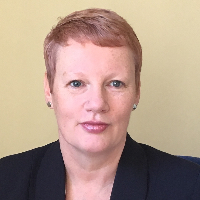














Prisca Coull
BACP
United Kingdom - 6 yrs exp








How communication problems therapy works for United Kingdom residents
If you are seeking help with communication difficulties in the United Kingdom, therapy usually starts with an initial assessment to clarify the nature of the problem and your goals. That first conversation is an opportunity to share what feels hard - whether it is speaking up at work, finding the right words in close relationships, managing a stammer, or navigating social interactions. A therapist will ask about your history, everyday experiences, and what you want to change. From there, you and the therapist agree on an approach and a plan for sessions that fits your schedule and circumstances.
Therapy for communication issues often blends practical skill-building and psychological support. You may work on techniques for expressing needs and feelings more clearly, rehearse conversations in a supported setting, and learn strategies to manage anxiety that gets in the way of speaking. For some people, sessions will include family members or partners to practice new patterns together. Your pathway may involve short-term focused work or a longer process of exploring deeper patterns that influence how you connect with others.
Finding specialized help for communication problems in the United Kingdom
Finding the right professional in the UK means understanding which type of practitioner matches your needs. Speech and language specialists focus on the mechanics of speech and language and are usually regulated by professional bodies, while counsellors and psychotherapists address the emotional, relational, and behavioral aspects of communication. Many professionals work in the NHS, offering care through local services, while others work in independent practice and community clinics. You can search by location if you prefer in-person appointments, or look for therapists who explicitly offer online sessions if you need greater flexibility.
Where you live will affect how services are delivered. In large urban centres like London, Manchester, and Birmingham there are often more options and a wider range of specialisms, which can make it easier to find a practitioner who matches your background and communication goals. In smaller towns or rural areas you might find fewer in-person options, but online therapy has increased access to specialists across the country. When you review profiles, pay attention to the therapist’s training, experience with specific issues such as stammering or social communication differences, and whether they work with adults, children, or both.
What to expect from online therapy for communication problems
Online therapy is now a common way to work on communication challenges. If you choose remote sessions, expect to use video calls, phone conversations, or messaging as the primary medium. Sessions typically mirror the structure of face-to-face meetings in terms of length and frequency, and many people find it helpful to practice communication skills in their own environments where real-life interactions happen.
Before starting, discuss practicalities with your therapist, such as how to manage interruptions at home, what technology will be used, and what to do if a session needs to be rescheduled. You should also ask about how your information is handled and what privacy measures are in place for your online meetings and records. Online work can make it easier to involve distant family members or to arrange sessions between work commitments, and it often opens up access to specialists who may not be nearby.
Common signs you might benefit from communication problems therapy
You might consider seeking help if you notice repeated patterns that affect your relationships, work, or day-to-day confidence. Signs include frequent misunderstandings with partners, colleagues, or friends, difficulty expressing emotions or asserting boundaries, anxiety about speaking in groups, or feeling misunderstood even when you try to explain yourself. For parents, observing a child who struggles to be understood or who withdraws from social interaction can also be a prompt to look for support.
Other indicators include avoidance of important conversations, persistent tension in family dynamics, or repeated conflict at work linked to miscommunication. If communication difficulties are interfering with career progression, school performance, or your sense of wellbeing, working with a specialist can help you develop clearer patterns of interaction and practical skills to navigate challenging moments.
Tips for choosing the right therapist for communication problems in the UK
Check qualifications and registration
Start by checking a therapist’s credentials and professional affiliations. Different professions have different regulatory frameworks in the UK. Speech and language practitioners typically belong to recognised professional bodies that indicate formal training and ongoing professional standards. Counsellors and psychotherapists often hold memberships with established associations that set ethical guidelines. Reviewing a profile for relevant training and membership gives you an indication of a practitioner’s professional standing.
Look for relevant experience and approach
Communication challenges have many causes and expressions, so it helps to find a therapist who has experience with the issues you face. Some therapists specialise in working with adults who struggle with workplace communication, others focus on couples or family dynamics, and some have expertise in neurodiversity or developmental speech differences. Read descriptions of therapeutic approaches to see if you prefer practical skill-based methods, such as communication coaching and behavioural techniques, or more exploratory work that examines underlying patterns and emotions.
Consider logistics and accessibility
Decide whether you want in-person sessions in your city or the convenience of online therapy. If you prefer face-to-face meetings, search for practitioners in major centres such as London, Manchester, or Birmingham, where there tends to be greater choice. If you need evening or weekend appointments, check availability before booking. You should also think about language needs, any mobility considerations, and whether you want a therapist with experience in particular cultural or community contexts.
Ask practical questions before you commit
When you contact a therapist, use the first interaction to clarify what a typical session looks like, the expected frequency of meetings, and how progress is reviewed. Ask about their experience with clients who had similar goals to yours, and ask how they measure change. It is reasonable to enquire about fees and cancellation policies so you can plan financially. A short initial consultation can give you a sense of rapport and whether the therapist’s style feels like a good fit.
Pay attention to fit and rapport
The relationship you have with a therapist matters as much as their qualifications. You should feel able to speak openly and to be heard. If a therapist offers a clear explanation of their approach and invites your input on goals and methods, that is a good sign. It is normal to try a few sessions and then reassess whether the process is helping you move toward your communication goals.
Making the most of therapy
Therapy becomes most effective when you bring practical examples from your life to sessions and try new ways of communicating between meetings. Your therapist can provide exercises and role-play opportunities that feel relevant to your relationships and work situations. Small, consistent changes in how you express needs, ask for feedback, or prepare for conversations can lead to noticeable improvements over time.
Whether you live in a large city, commute into London for work, or prefer a practitioner based in Manchester or Birmingham, you can find options that match your lifestyle and needs. Taking the first step to reach out and discuss your concerns is often the most important part of the process. When you choose a practitioner who understands both the technical and emotional sides of communication, you increase the chances of sustaining meaningful change in how you connect with others.
Where to begin
Begin by narrowing your search to therapists who list Communication Problems as a focus, then read profiles to find those with relevant experience and a compatible approach. Arrange a brief introductory call to ask questions about method, availability, and how you will track progress. With a considered approach, you can find a practitioner who helps you build clearer expression, stronger listening skills, and more confident interactions in the settings that matter most to you.