Find a Coaching Therapist in United Kingdom
This directory page highlights coaching therapists working across the United Kingdom, with profiles that describe specialties, approaches and contact options. Browse the listings below to compare practitioners, read about their focus areas, and connect with someone who meets your goals.

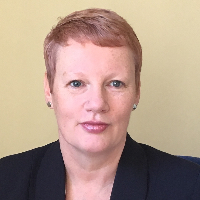








Prisca Coull
BACP
United Kingdom - 6 yrs exp














How coaching therapy works for people in the United Kingdom
Coaching therapy is a goal-oriented approach that helps you clarify priorities, develop strategies and make measurable progress in areas such as career development, leadership, relationships and personal growth. In the UK context, many coaching therapists combine practical tools with reflective conversation so that sessions focus both on concrete outcomes and on the habits, beliefs and skills that shape your choices. Sessions may be offered in person in city clinics or independent practices, and increasingly by online video or phone so that geography - whether you live in London, Manchester or a smaller town - is less of a constraint.
Coaching typically begins with an assessment of your goals and current situation, followed by a collaborative plan that outlines steps, milestones and ways to track progress. The work is often short to medium term, with a focus on actionable change rather than long-term exploration of deep-seated psychological issues. That makes coaching well suited to people looking for clear direction, accountability and skill development.
Finding specialised coaching help in the United Kingdom
When you search for coaching therapists in the UK, look for practitioners who state their specialisms and describe the kinds of outcomes they help clients achieve. Many coaches list areas such as career transition, executive leadership, confidence building or life-change planning. Accreditation and membership of professional bodies can help you assess training and ethical standards. In major urban centres like London there tends to be a broad range of approaches and niche specialisms, while cities such as Manchester and Birmingham often offer a mix of experienced senior coaches and emerging practitioners who work across sectors.
Consider whether you prefer someone with a corporate or organisational background if your focus is work and leadership, or a coach with experience in wellbeing and life balance if your priorities are personal. Cultural fit matters as much as formal credentials - practitioners who understand your industry, life stage or cultural background will often be quicker to suggest relevant strategies and adjustments.
What to expect from online coaching therapy
Online coaching has become a mainstream option across the United Kingdom because it increases convenience and makes it easier to sustain regular sessions. You can expect video sessions that mirror in-person meetings, with practical tools shared via email or a client portal. Sessions commonly last 45 to 60 minutes and follow a structured agenda that includes goal review, action planning and reflection on obstacles.
Online delivery can be especially useful if you travel for work, live outside major cities or have a schedule that makes in-person appointments difficult. It also lets you work with specialists who are not local to your town. Before you begin, ask about the platform used for sessions and how client data is handled under UK data protection rules such as GDPR. Clarify availability for follow-up between sessions, cancellation policies, fees and whether the coach offers an initial consultation so you can assess rapport and approach.
Common signs you might benefit from coaching therapy
People seek coaching for many reasons, but several common signals suggest coaching might help. You may feel stuck or unsure which next step will move you toward your goals, or you might be navigating a major career change or leadership promotion and want clearer focus. Others look for support in improving performance, communication and decision-making, or they want to build confidence after setbacks. If you notice repeated patterns that limit your progress - for example, avoiding new responsibilities, struggling to set boundaries at work, or failing to follow through on plans - coaching can provide structure and accountability to change those patterns.
Coaching is also useful when you face a specific transition such as returning to work after a break, preparing for interviews, starting a business or managing a demanding role. If you prefer forward-looking, solution-focused work rather than long-term therapy, coaching can be a practical option. You do not need to be in crisis to benefit - many people use coaching to sharpen strengths and accelerate growth.
Tips for choosing the right coaching therapist in the United Kingdom
Start by clarifying what you want to achieve and the timeframe you imagine. This will make it easier to compare profiles and to ask targeted questions during an initial consultation. Look for coaches who describe methods that resonate with you - for example, those who emphasise action planning, cognitive-behavioural techniques adapted for coaching, strengths-based work or leadership frameworks. Check credentials and training, and consider whether membership of a recognized professional body is important to you.
Practical considerations matter. Confirm session length, frequency, fees and how cancellations are handled. If you prefer face-to-face meetings, search for practitioners based in your city - London has a dense cluster of coaches with many specialisms, Manchester offers a strong mix of corporate and creative-sector coaches, and Birmingham has a growing community of practitioners serving a wide region. If online sessions are preferred, ask about the technical setup and whether the coach offers resources to support your practice between meetings.
Trust your sense of rapport. The working relationship is a key predictor of progress, so use an introductory call to assess how the coach listens, asks questions and reflects your priorities. Ask for examples of outcomes achieved with clients in similar situations, and enquire about how progress will be measured. If cultural factors, language, or lived experience are important to you, look for a coach who shares or understands those elements.
Practicalities and next steps
Once you choose a coach, agree on a first block of sessions with clear goals and checkpoints. Many coaches start with a three to six session plan and then review whether to continue. Keep a simple record of actions and progress so that sessions can stay focused on change rather than summary. If you are working with an employer or part of a leadership program, clarify whether sessions are employer-funded and how reporting will work while preserving your boundaries.
Access to coaching in the United Kingdom is broad, whether you live in a capital region or a smaller town. By combining careful selection with clear goals and regular reflection you can make steady, measurable progress. Use the directory listings on this page to read profiles, compare approaches and reach out for an introductory conversation - that first step often makes the difference in finding an effective coaching relationship.