Find a Blended Family Issues Therapist in United Kingdom
This page lists therapists who specialise in blended family issues throughout the United Kingdom. Explore profiles for local and online practitioners, read about their approaches, and browse listings below to find a good match.

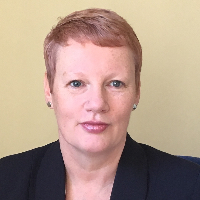







Prisca Coull
BACP
United Kingdom - 6 yrs exp















How blended family issues therapy works for United Kingdom residents
Blended family therapy focuses on the relationships and practical arrangements that arise when partners, children and wider relatives come together under one roof or maintain lives across different households. In the United Kingdom you can access this kind of help through a range of practitioners who work with couples, parents and children to ease transitions, clarify roles and reduce repeated conflict. Therapy aims to help the people involved understand patterns, rebuild trust and develop workable routines for parenting, discipline and time with extended family.
Sessions often begin with an assessment that gathers the history of relationships, previous parenting arrangements and any cultural or logistical factors that shape family life. Your therapist will work with the household in whatever combination makes sense - that might be both parents together, individual sessions for children, or joint meetings with step-parents and co-parents living elsewhere. Over time you will set goals for communication, boundaries and co-parenting, and practice new ways of solving problems during sessions and at home.
Therapists' approaches and training
Practitioners who specialise in blended family issues commonly draw on systemic work, attachment-informed perspectives and approaches that emphasise parenting strategies. Many have experience supporting step-parents to develop authority and warmth, and helping biological parents navigate loyalty conflicts. You will also find therapists who use cognitive and behavioural techniques to address anxiety or low mood that can arise in stepfamily transitions.
In the United Kingdom it is helpful to check that a therapist holds recognized professional membership or registration. Professional bodies provide frameworks for practice and ethical standards, and membership often indicates that the practitioner keeps up with continuing professional development. Asking about experience with stepfamily dynamics, work with children, and familiarity with common legal or schooling issues in the UK can give you a clearer sense of fit before you book a first session.
Finding specialised help for blended family issues in the United Kingdom
When looking for help in the UK you can choose between local face-to-face clinics and online appointments that remove travel barriers. Many therapists list their specialisms, therapeutic approach and whether they work with children or offer couple and family sessions. You may find practitioners who specialise in specific challenges, such as introducing a new partner to children, navigating contact and residence arrangements, or supporting teenagers who struggle with divided loyalties.
Large urban centres tend to have a broader range of therapists with niche experience. For example, London offers a wide variety of clinicians with multicultural expertise and evening availability, while Manchester and Birmingham both host clinics that balance accessibility with weekend appointments. If you live outside major cities, online therapy often creates access to experienced clinicians who would otherwise be unavailable in your local area. Public health services and local family support groups may also provide referrals or short-term interventions, so it is worth exploring both voluntary and private options.
Local considerations and cultural context
Family life across the United Kingdom reflects diverse cultural traditions, faith practices and household structures. These influences shape expectations about roles, discipline and extended family involvement. A therapist who understands the cultural context of your household - whether that means working with multi-generational homes in a London borough or addressing rural practicalities outside the city - will be better placed to suggest realistic strategies. Discussing cultural values early in therapy helps the practitioner tailor guidance that feels respectful and workable for your family.
What to expect from online therapy for blended family issues
Online therapy has become a common and effective option for blended family work. You can expect the same core processes as face-to-face therapy - assessment, shared goal-setting and practice - delivered through video calls, telephone or messaging when appropriate. Online sessions let family members join from different households, which can be especially useful if parents live separately or if a step-parent is visiting. Many therapists will agree a plan for involving children in online sessions, taking account of age and attention span.
Before your first online appointment you should receive clear instructions about how to connect and what to expect from the format. A therapist will usually set ground rules for speaking, managing interruptions, and protecting the focus of the session. You may be encouraged to try short at-home exercises between sessions to rehearse new ways of communicating and to test practical changes such as bedtime routines or shared calendars.
Common signs that someone in the United Kingdom might benefit from blended family therapy
You might consider seeking help when conflicts recur around practical arrangements, when children display persistent distress linked to a parental change, or when the couple struggle to agree on discipline and household roles. Other signs include persistent feelings of exclusion by step-parents, ongoing rivalry that interferes with schooling or friendships, and situations where one or more adults feel unable to set boundaries without escalating arguments.
Therapy can also help when families face external stressors such as school transitions, relocation within a city, or changes to financial arrangements. If you find that conversations about routine topics regularly become heated, or if communication has broken down to the point where co-parenting plans are unclear, a specialist can help restore workable patterns and reduce the emotional cost for everyone involved.
Tips for choosing the right therapist for this specialty in the United Kingdom
Begin by clarifying what you want from therapy - for example, improved co-parenting, better relationships with stepchildren, or a calmer household routine. Use search filters to find therapists who list blended family work as a focus and who indicate whether they work with children, couples or whole-family sessions. Read profiles to learn about their theoretical approach and typical session length. Some people prioritise a practitioner who offers evening appointments to fit around school and work schedules.
Contact prospective therapists with a brief message about your situation and ask about their experience with similar families. It is reasonable to enquire about their approach to working with children, whether they offer joint sessions with separated parents, and what a typical therapeutic pathway looks like. You may also want to ask about fees and cancellation policies so there are no surprises. If you are looking in a city, consider the local mix - in London you may prioritise cultural match, while in Manchester and Birmingham practical availability and travel time could matter more.
Trust your instincts after an initial conversation or first session. A good therapeutic fit means you feel heard and that the therapist demonstrates a clear plan for addressing your concerns. Therapy often involves difficult conversations, so feeling that the practitioner can manage emotions calmly and keep the focus on solutions is helpful for progress.
Moving forward with blended family therapy
Choosing to seek help is an important first step toward a more stable home life. Whether you opt for in-person appointments in a local clinic or online sessions with a specialist elsewhere in the United Kingdom, blended family therapy offers practical skills and a framework for managing competing needs. Taking time to compare profiles, ask targeted questions and consider availability will increase the chances of finding a therapist who fits your family and your goals.
If you are ready to explore options, scroll through the listings above to review therapists' profiles, approaches and contact details. Booking an initial appointment is a straightforward way to see how the work feels in practice and to begin building routines that support everyone in your blended family.