Find a Black Therapist in United Kingdom
This page lists Black therapists practicing across the United Kingdom, with profiles that include qualifications, therapeutic approaches, and practice locations. Browse the listings below to compare therapists in London, Manchester, Birmingham and beyond and contact professionals who match your needs.




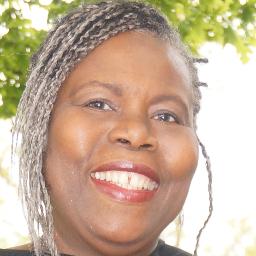
Prisca Coull
BACP
United Kingdom - 6 yrs exp



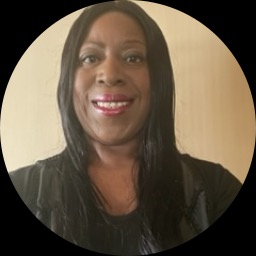
Rajitha Cruz
BACP
United Kingdom - 3 yrs exp














How Black therapist therapy works for United Kingdom residents
If you are searching for therapy with a Black therapist in the United Kingdom, the process will look familiar to most mental health journeys but with an emphasis on cultural fit and lived experience. You can expect initial profiles to include training, registration status, therapeutic approach, and areas of specialist interest. Many therapists offer a short introductory conversation by phone or video so you can get a sense of whether they are the right match for you before committing to a first full session. Sessions are commonly scheduled weekly or fortnightly, though frequency can be adapted to suit your needs and availability.
Whether you choose an in-person appointment or an online session, your therapist will explain practical details such as fees, cancellation policies, and how they structure each appointment. In the United Kingdom there are a mix of self-employed practitioners and clinicians working within organisations, and you will often find therapists who balance private practice work with roles in community services or NHS-adjacent settings. That variety means you can consider not only clinical experience but also whether a therapist’s background aligns with your preferences for approach and setting.
Finding specialized help for Black therapist in the United Kingdom
When you are seeking a therapist who identifies as Black or who specialises in race-informed practice, start by considering what matters most to you. For some people, the priority is a therapist who shares cultural background or language. For others, the priority is demonstrated experience in areas such as racial trauma, identity development, or intergenerational family dynamics. Search filters on directories and detailed profile descriptions can help you narrow options by location, therapeutic orientation, and areas of focus.
If you live in a major city such as London, Manchester, or Birmingham you may have a wider pool of local practitioners to choose from, which can make it easier to find someone whose experience and fees match your needs. In smaller towns you may find fewer practitioners available in person, but many therapists in the United Kingdom now offer online sessions, making it easier to connect with a specialist further afield. You can also look for practitioners who engage with community organisations, cultural groups, or who write and speak publicly about race-related mental health issues - these activities can indicate a therapist’s sustained engagement with the topics that matter to you.
What to expect from online therapy with a Black therapist
Online therapy with a Black therapist follows the same therapeutic principles as face-to-face work, adapted for video or phone. You should expect an initial check-in about technology, personal nature of sessions practices, and what to do if the connection drops. Your therapist will outline session length and frequency, and you will have the opportunity to ask about their training and experience with culturally informed work. Many clients find that online appointments increase access and flexibility - you can attend from home, work, or another convenient location - which can reduce travel time and make it easier to maintain consistency.
In online sessions you can also discuss how cultural identity shows up in your day-to-day life, work, or relationships. Therapists often use reflective listening, exploratory questioning, and evidence-informed interventions adapted to your needs. If you live in London, Manchester or Birmingham, you might choose a therapist who understands the local social landscape and community resources, which can be helpful when discussing culturally specific stressors or supports.
Common signs that someone in the United Kingdom might benefit from Black therapist therapy
You might find it helpful to seek therapy if you notice persistent changes in mood, energy, or sleep that interfere with daily life. Feeling overwhelmed by workplace stress, difficulty managing relationships, or an ongoing sense of disconnection from your cultural or family identity are also common reasons people reach out. Experiences of discrimination, microaggressions, or racialised stress can have cumulative effects on mental and emotional wellbeing, and many people look for a therapist who understands these dynamics from both a clinical and cultural perspective.
Other signs that therapy could be helpful include recurring patterns in relationships that leave you feeling hurt or stuck, difficulty coping with grief or loss, and repeated avoidance of situations that matter to you. If you are navigating life transitions such as migration, changes in employment, or family expectations, working with a therapist who is familiar with the cultural context you move in can provide practical coping strategies and space to process those experiences.
Tips for choosing the right therapist for this specialty in the United Kingdom
Begin by clarifying what you want from therapy - whether you are seeking short-term support for a specific problem or longer-term exploration of identity and past experiences. When you contact therapists, ask about their training, professional registration, and experience working with Black clients or race-related issues. In the United Kingdom, many therapists list membership in recognised professional bodies and describe their qualifications on their profiles; these details can help you compare practitioners. You may also want to ask about their therapeutic approach - for example whether they draw on cognitive, psychodynamic, humanistic or trauma-informed frameworks - and how they adapt that approach when culture and identity are central to the work.
Practical considerations matter too. Confirm working hours, fee structures, and whether they offer sliding scale options or shorter sessions if affordability is a concern. If location matters, search for therapists who practice in London, Manchester, Birmingham or other accessible areas; if online care is preferable, ask about the platforms and formats they use. Trust your initial impressions during a brief introductory call - good rapport and feeling heard early on are strong indicators of a productive therapeutic relationship.
Making the most of therapy once you begin
Once you start sessions, be open about your goals and about what has or has not worked in the past. If cultural issues are central to your experience, bring them into the conversation and ask how your therapist frames and works with those topics. Therapy is a collaborative process - you and your therapist will experiment with different ways of working until you find what helps. Regularly reviewing progress, adjusting focus, and checking in about how the sessions are meeting your needs will help you get the most from the time you invest.
If you ever feel that a therapist is not the right fit, it is acceptable to discuss ending or pausing work and to seek another professional. Finding the right match can take time, but the directory and the ability to connect with practitioners in cities like London, Manchester and Birmingham or online makes it easier to locate someone whose approach and background align with your needs. Ultimately, choosing a therapist who respects your identity and listens to your priorities can make a meaningful difference in how supported you feel through the process.
Next steps
Use the profiles on this page to compare qualifications, read about areas of focus, and reach out for an introductory conversation. Keep in mind that accessibility and cultural fit are both important, and that a brief initial call can help you decide whether a therapist is the right match for the work you want to do. When you find a practitioner who feels right, you can begin shaping a plan that fits your life and supports your wellbeing in the United Kingdom.