Find a Veterans Therapist in Texas
This page lists therapists in Texas who specialize in veterans' mental health, including clinicians offering both in-person and online care. Listings highlight each clinician's focus, credentials, and practice locations so visitors can compare options. Browse the profiles below to find a provider with the right experience and availability.


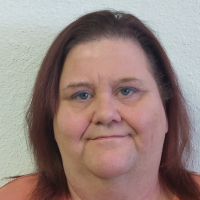














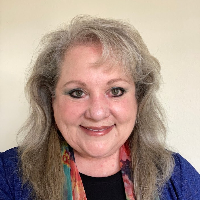


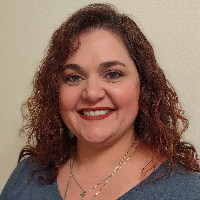



How veterans therapy works for Texas residents
If you are a veteran in Texas exploring therapy, it helps to know that services are delivered in a range of settings - from community clinics and private practices to VA-affiliated programs and telehealth visits. Therapy for veterans typically starts with an intake conversation where the clinician learns about your military history, current challenges, and goals for treatment. That initial exchange guides a treatment plan that may include trauma-focused approaches, skills-based work, family or couples sessions, and coordination with other supports such as primary care or case management.
Therapists who focus on veterans often have training in approaches that are commonly used with military-related experiences, but they also bring general clinical skills that help address depression, anxiety, substance use, and relationship strain. In Texas, many clinicians combine in-person sessions with online care to increase flexibility. State licensure matters when you use telehealth - clinicians who provide care to people located in Texas must be authorized to practice in the state. Ask about licensure and how sessions will be conducted before scheduling your first visit.
Finding specialized help for veterans in Texas
When you look for a therapist who understands military life, prioritize clinicians who list veterans care or military cultural competence among their specialties. That can mean experience with combat-related trauma, transition to civilian life, military sexual trauma, or support for military families. You can search for providers who note specific training in evidence-informed therapies for trauma such as cognitive processing approaches, prolonged exposure, or EMDR, as well as those who have experience with substance use, anger management, or grief as those issues often overlap with service-related stress.
Location matters if you prefer in-person sessions. Large urban centers such as Houston, Dallas, and Austin have a higher concentration of clinicians with veterans experience, while smaller communities may rely on a mix of local providers and telehealth options. If you are connected with the VA or another military-focused program, therapists within those networks can offer coordinated care and may help with referrals. Community mental health centers and veteran-focused nonprofit organizations can also be useful sources of referrals, especially for navigating financial assistance or group-based programs tailored to veterans.
Considerations about insurance and payment
Insurance coverage and payment options can influence which providers are a good fit. Many therapists accept private insurance, and some work with VA or TRICARE systems in different capacities. Others offer sliding scale fees or donation-based groups. Before committing to sessions, ask the therapist about billing practices, whether they submit claims to your insurer, and any out-of-pocket expectations. If you plan to use telehealth, confirm whether the insurer covers remote sessions and whether the therapist is in-network for your plan.
What to expect from online therapy for veterans
Online therapy can be a practical choice if you live far from specialty providers or need more flexible scheduling. When you start online therapy, you will typically meet through video if you want face-to-face interaction, though some clinicians also offer phone or message-based work. Sessions conducted online follow the same therapeutic principles as in-person care - assessment, goal setting, and active work on symptoms and functioning - but they also come with logistical details you should plan for in advance.
You will want to ensure a comfortable environment for sessions, a reliable internet connection, and a device with video capability if using video meetings. Discuss emergency planning with your clinician at the outset - this includes how to reach local emergency services or a support person if a crisis arises during a remote session. Ask about session length, privacy measures in the technology they use, and how notes or records are stored. If you move or travel across state lines, remember that licensing rules may affect ongoing telehealth relationships, so keep your clinician informed of changes in location.
Common signs someone in Texas might benefit from veterans therapy
You might consider seeking a clinician who specializes in veterans care if you notice changes in mood, sleep, or functioning that are persistent or interfere with daily life. Examples include trouble sleeping or frequent nightmares, intrusive memories, avoidance of situations that remind you of service, sudden irritability or angry outbursts, or difficulty re-establishing trust and closeness with others. Some veterans find that substance use increases as a way to cope, or that physical health problems are worsened by untreated stress. Transition-related struggles such as difficulties finding meaningful work, adjusting to family roles, or feeling disconnected from community life are also common reasons to seek support.
Seeking help early can make it easier to manage symptoms and rebuild routines. Therapy can offer tools for managing distressing memories, improving sleep, handling triggers, and strengthening relationships. If you are concerned about safety - for yourself or someone you care about - prioritize contacting emergency services or a crisis resource right away and mention this during intake so the clinician can collaborate with you on a safety plan.
Tips for choosing the right therapist for veterans care in Texas
Choosing the right therapist can feel overwhelming, but a few practical steps can help. Start by clarifying what you want from therapy - symptom reduction, support with life changes, couples work, or substance use treatment - and look for clinicians who list that focus. When you contact a therapist for a consultation, ask about their experience with veterans and military culture, the types of interventions they use, and whether they have experience coordinating care with medical providers or veteran services. It is reasonable to ask how they approach trauma-related work and how they ensure sessions are paced to your needs.
Personal fit is also important. After a consultation, reflect on whether the clinician listened to your concerns, explained their approach in a way that made sense, and offered options you feel comfortable with. If a therapist's style or schedule does not match your needs, it is okay to try a few clinicians before deciding who is the best fit. For many veterans, finding someone who respects military experience and understands the transition to civilian life can make therapy more effective and easier to sustain over time.
Practicalities and logistics
Consider practical details such as location, parking, public transit access, and evening or weekend availability. If you live near Houston, Dallas, or Austin you may find more options for in-person specialists and group programs. If you are based in San Antonio, Fort Worth, or a smaller Texas community, telehealth expands access to clinicians with targeted experience. Ask about cancellation policies, session length, and how to schedule appointments. If children or family members are involved, inquire about family or couples sessions and whether the clinician has relevant training.
Finding next steps
Taking the first step toward therapy can be the hardest part, but gathering information and reaching out for a consultation is a manageable start. Use the listings above to compare clinicians by focus area, training, and location. When you find a profile that aligns with your goals, contact that provider to ask questions and schedule a consultation. Over time, you will get a clearer sense of what works for you and how therapy can support the next phases of civilian life in Texas.
Whether you prefer in-person care in a nearby city or the convenience of online sessions, there are clinicians across Texas who focus on veterans' needs. Browsing profiles and asking a few targeted questions can help you find a provider who understands your experience and supports the changes you want to make.