Find a Trichotillomania Therapist in Texas
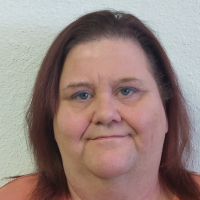
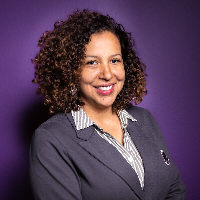
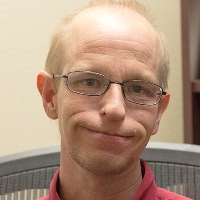
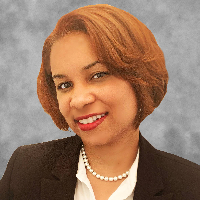
This page lists licensed clinicians across Texas who work with trichotillomania. Browse the therapist profiles below to compare approaches, experience, and location so you can find a good match.


















How trichotillomania therapy typically works for Texas residents
If you are looking for help with hair pulling, treatment usually begins with an assessment to understand how the behavior affects your daily life, mood, and routines. In Texas, therapists who specialize in trichotillomania will ask about the history of symptoms, common triggers, and any previous strategies you have tried. From there you and a clinician develop a plan that blends skill-building, self-monitoring, and strategies to reduce urges. Therapy is a collaborative process that progresses at your pace and focuses on practical skills you can use between sessions.
Therapists in urban areas such as Houston, Dallas, and Austin often have experience treating a wide range of presentations, while those in smaller communities may offer a broader generalist approach with referral networks for more specialized care. You can expect work on identifying triggers, changing patterns of response to urges, and building routines that support recovery and well-being.
Common therapeutic approaches
Habit Reversal Training, often abbreviated as HRT, is widely used and emphasizes awareness, competing response techniques, and building new habits to replace hair pulling. Cognitive Behavioral Therapy supports HRT by addressing unhelpful thoughts and beliefs that maintain the behavior. Acceptance and Commitment Therapy offers tools for tolerating urges without acting on them while clarifying personal values that motivate change. Mindfulness-based strategies help you notice urges earlier and respond more deliberately. Some clinicians also integrate family work or support for caregivers when children or adolescents are involved.
Finding specialized help in Texas
When you search for a therapist, look for clinicians who list trichotillomania, body-focused repetitive behaviors, or habit reversal training in their experience. Licensing credentials in Texas may include LPC, LCSW, LMFT, PsyD, or PhD. Specialized training, workshops, or supervision in trichotillomania and related conditions is a useful indicator that a clinician has focused experience. If you live near Houston, Dallas, Austin, San Antonio, or Fort Worth you can often find providers with specific training in these methods. If you live in a rural area, teletherapy can expand your options, allowing you to connect with a specialist without travel.
University clinics, community mental health centers, and private practices can all be good starting points. You may also find local support groups or clinicians who run group programs that focus on habit reversal and coping skills. When you contact a clinician or clinic, ask about their experience treating trichotillomania and whether they use evidence-informed approaches so you can make an informed decision.
What to expect from online therapy for trichotillomania
Online therapy offers flexibility that fits many Texans - you can schedule sessions around work, school, and family commitments, and you can access clinicians in major cities from across the state. Initial online sessions often mirror in-person assessments: you'll review symptom history, current triggers, daily routines, and goals. Therapists typically assign between-session practice and self-monitoring exercises so you can track progress.
During virtual sessions you may work on awareness training, competing responses, and cognitive techniques. You may be asked to keep a pulling diary or to record moments when urges arise. Technology allows therapists to share worksheets, video demonstrations, and progress charts. Be aware that state licensure rules mean ongoing teletherapy for residents is provided by clinicians licensed to practice in Texas. If you travel or move across state lines, discuss continuity of care with your clinician.
Online therapy has limits for urgent needs. If you are experiencing thoughts of harming yourself or others, it is important to contact local emergency services or a crisis line for immediate help. Online care is meant for scheduled sessions and therapeutic work rather than emergency intervention.
Common signs that someone might benefit from trichotillomania therapy
You may benefit from professional support when hair pulling causes distress, interferes with daily routines, or leads you to avoid social or occupational activities. Frequent urges that feel difficult to control, repeated attempts to stop without lasting success, or physical damage to the scalp, brows, or other areas are all reasons to consider reaching out. Emotional consequences like shame, anxiety, or isolation are also important signs that therapy could help you build coping skills and regain confidence.
For parents and caregivers in Texas, noticing behavior in children and teens - such as repeated pulling when bored or anxious, rituals around pulling, or efforts to hide hair loss - is a cue to seek assessment. Early intervention can focus on habit management, family strategies, and school supports where needed.
Tips for choosing the right therapist for this specialty in Texas
Start by considering practical factors - whether the clinician accepts your insurance, offers sliding scale fees, and whether they provide in-person appointments in cities like Houston or Dallas or teletherapy across the state. Next, evaluate clinical fit by asking about their experience with trichotillomania, specific techniques they use, and how they measure progress. A helpful clinician will explain their approach clearly, outline typical session length and frequency, and offer a sense of how goals are set.
Cultural fit and communication style are important. You should feel heard and respected, and you should be comfortable discussing sensitive topics. If you are not comfortable after a few sessions, it is reasonable to consider other clinicians until you find someone who feels like a good match. Many therapists will offer a brief phone consultation so you can get a sense of compatibility before scheduling a full session.
Preparing for your first visit
Before your first appointment gather relevant information such as a brief timeline of when symptoms began, any strategies you have tried, and how pulling affects your daily life and relationships. Think about immediate goals you would like to work toward - reducing frequency, managing urges, or improving self-image - and be ready to discuss them. If you are using any medications, note them so you can inform your clinician. Asking about expected length of treatment, the therapist's cancellation policy, and available resources can help you make the most of initial meetings.
If you live in or near a large metropolitan area like Austin, you may have access to group programs or specialized centers that run workshops and intensive treatments. Elsewhere in the state, clinicians offering teletherapy can connect you to training and supports that might not be available locally. Keep in mind that building new habits takes time - regular practice, consistent follow-up, and open communication with your clinician increase the likelihood of meaningful progress.
Moving forward
Exploring therapist profiles on this page is a practical first step toward finding care that fits your needs in Texas. Whether you prefer in-person appointments in Houston, Dallas, or Austin, or remote sessions from a smaller community, you can find clinicians who focus on practical skills and compassionate support. Reach out to a few clinicians to compare approaches and scheduling options, and choose the professional who makes you feel understood and hopeful about change.
Remember that seeking help is a constructive choice, and therapy aims to give you tools to manage urges and build a life that reflects your priorities. Use the listings above to start conversations, ask questions, and find a clinician who aligns with your goals.