Find a Sex Addiction Therapist in Texas
This page features therapists who specialize in sex addiction treatment across Texas. Browse clinician profiles below to review specialties, approaches, and local or online availability.











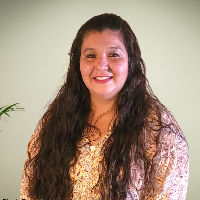












How sex addiction therapy typically works for Texas residents
If you are exploring sex addiction therapy in Texas, it helps to know that treatment is rarely one-size-fits-all. Sessions often begin with an assessment to understand your personal history, current challenges, and treatment goals. That intake process helps a clinician recommend individual counseling, couple or family work, or group therapy when appropriate. Some therapists will combine behavioral approaches with insight-oriented work to address patterns, triggers, and coping skills that affect sexual behavior. Across the state, clinicians adapt these approaches to fit your lifestyle, whether you live in a dense urban area like Houston or Dallas or in a smaller community where resources may look different.
Therapeutic approaches you may encounter
You will commonly find cognitive behavioral techniques to help change unhelpful thought patterns and behaviors related to sexual acting out. Some therapists use relapse prevention models that resemble approaches used for other behavioral concerns, focused on identifying high-risk situations and building strategies to manage impulses. When relationships are strained, therapists may include couples work to rebuild trust and communication. Trauma-informed care is also frequently part of treatment, because past experiences can shape sexual behaviors and coping strategies. A qualified clinician will explain why they recommend a particular approach and how it fits your goals.
Finding specialized help for sex addiction in Texas
Searching for a therapist who specializes in sex addiction means looking for clinicians who list relevant experience, training, or focused practice areas on their profiles. You can narrow your search by city if you prefer in-person work - for example you might filter for therapists in Austin for a local option, or consider providers in San Antonio or Fort Worth if travel is feasible. Many specialized clinicians also list whether they have experience working with specific populations, such as couples, men, women, or people of diverse sexual orientations. When you read profiles, pay attention to the therapist's approach to assessment, whether they offer group programs, and how they define progress. That information helps you match a clinician to your needs before you reach out.
Local resource networks and coordination
Therapists in Texas often coordinate with other resources such as psychiatric care, medical providers, or community support groups when it is helpful. If you are in a major Texas city you may find more options for multidisciplinary care, while in more rural areas therapists may rely on networks that extend across counties. Many clinicians offer referrals to specialized groups or educational programs, and they can help you understand how therapy integrates with other services you might need. Asking about local referral networks during an initial conversation can clarify how a therapist connects you to broader supports.
What to expect from online therapy for sex addiction
Online therapy has become a common option for people across Texas who want more flexible access to care. When you choose remote sessions, expect to have video appointments that resemble in-person meetings in structure, with intake, goal-setting, and regular progress reviews. Online work can make it easier to maintain consistent appointments if you travel between cities like Houston and Dallas, or if transportation is a barrier. Many therapists adapt techniques for a virtual format, providing worksheets, homework assignments, or virtual group sessions. It is important to discuss practical matters such as session length, frequency, and how the therapist handles emergency situations so you know what to expect between sessions.
Benefits and practical considerations
Online therapy removes some logistical barriers and expands your options for finding a clinician with specific expertise. It also requires a reliable internet connection and a private environment for sessions. If you live in a shared household, consider how you will create a discreet and comfortable space for meetings. Some people combine online therapy with occasional in-person appointments when that is an option. When evaluating online providers, ask about licensure and whether the therapist is authorized to practice in Texas, because licensure determines where a clinician can offer ongoing care.
Common signs that someone in Texas might benefit from sex addiction therapy
If you are wondering whether therapy could help, there are several signals that often prompt people to seek support. You might notice that sexual behavior is interfering with work, school, or relationships, or that attempts to cut back have been unsuccessful. Some people experience intense shame, secrecy, or anxiety related to sexual actions, or find that behavior is driven by mood changes or stress. Others come to therapy because a partner has expressed concern or because legal or financial consequences have emerged. Not everyone who seeks help identifies with the term "addiction," yet therapy can still be useful when sexual behavior feels out of balance or causes distress. The decision to reach out can be the first step toward greater control and clearer priorities.
Tips for choosing the right therapist for this specialty in Texas
When you contact potential therapists, consider asking about their experience with sex addiction and the types of clients they typically work with. You may want to know whether they offer individual, couple, or group work and how they measure progress. Trust your sense of rapport during an initial consultation - feeling understood and respected matters more than technical labels. If cultural, religious, or personal values are important to you, discuss how the clinician approaches those topics so you can find a good fit. Cost and insurance participation are practical considerations; ask about fees, sliding scale options, and whether the therapist accepts your plan. If proximity matters, look for clinicians in convenient areas such as central Austin or near transit hubs in Dallas and Houston, or choose online options that remove travel time.
Practical next steps
Begin by reading profiles and noting a few therapists whose approaches and backgrounds resonate with you. Reach out for a brief introductory call or message to learn about availability and to ask any specific questions you have about treatment style. You can also ask how the therapist handles personal nature of sessions and safety concerns during therapy sessions. Making a first contact may feel difficult, but therapists understand that this is a significant step and often welcome questions about fit and approach. Over time, regular sessions can help you develop strategies that promote healthier patterns and a clearer sense of direction.
Whether you are in Austin, San Antonio, Fort Worth, or elsewhere in Texas, there are clinicians who specialize in the complexities of sexual behaviors and relationships. Taking the time to find a therapist whose experience aligns with your needs can make the path through treatment clearer and more effective for your life circumstances.