Find a Gender Dysphoria Therapist in Texas
This page lists therapists in Texas who focus on gender dysphoria, with profiles that highlight experience, approaches and availability. Browse the listings below to compare providers in Houston, Dallas, Austin and other regions of the state.


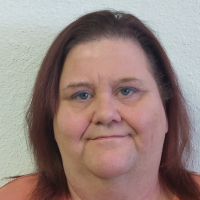














Paula Arizola
LPC
Texas - 14 yrs exp







How gender dysphoria therapy typically works for Texas residents
When you begin therapy for gender dysphoria in Texas, the process generally starts with an intake conversation to clarify your current concerns, goals and any medical or legal needs you may have. That initial session is a chance to ask about the therapist's approach, experience working with gender diverse clients and how they coordinate care with medical professionals if you are pursuing hormones or other medical steps. Therapy often combines exploration of identity with practical support - for example, coping strategies for dysphoria, guidance on social transition, and planning around name and gender marker changes. For minors, therapists frequently work with families to build understanding and to help parents navigate school and community systems in ways that protect the young person's wellbeing.
You should expect ongoing assessment rather than a single prescribed path. Many clinicians use evidence-informed practices that emphasize affirming your experience while addressing any co-occurring concerns such as anxiety or depression. Your therapist may offer short-term work focused on immediate needs, or longer-term therapy to support identity development and life changes. In Texas, where access varies between urban centers and rural counties, some people combine in-person appointments with remote sessions to maintain continuity of care.
Working with medical providers and documentation
If you are considering medical interventions, therapists often help by clarifying readiness, documenting steps in care when required, and communicating with clinics under your direction. Therapists in Texas commonly discuss the documentation that physicians or clinics may request, such as letters of support, and can explain the typical timelines and expectations. You can also look for therapists who have experience collaborating with endocrinologists, primary care physicians and surgeons so that the psychosocial and medical aspects of care align with your goals.
Finding specialized help for gender dysphoria in Texas
Locating a therapist with the right combination of experience, training and approach takes some research. Start by looking for clinicians who explicitly list gender dysphoria or transgender care among their specialties, and read their profiles to understand whether their work emphasizes affirmation, developmental support for youth, or integration with medical care. Licensure types common in Texas include licensed professional counselors, licensed clinical social workers and marriage and family therapists - each title indicates different training and scope, so confirm that the clinician's credentials match your needs.
Geography matters in Texas. Major cities like Houston, Dallas and Austin host larger communities of gender-affirming providers and ancillary services, which can make finding a match faster and offer easier access to clinics and support groups. If you live outside an urban area, telehealth has expanded the pool of available clinicians so that you can work with a therapist who has specific expertise even if they are based in another city. When you contact a therapist, ask about their experience with clients who share your age, background and goals so you can assess fit before booking multiple sessions.
What to expect from online therapy for gender dysphoria
Online therapy offers flexibility that can be especially useful in a state as large as Texas. If you choose remote sessions, you can expect typical appointments to follow the same structure as in-person work - check-ins, focused therapeutic interventions and collaborative planning - but with some considerations unique to virtual care. You will want to confirm the technology platform, understand how records are kept and make a plan for private times and places to meet so you can speak openly. For people in smaller towns or those who need daytime appointments outside traditional hours, teletherapy often provides options that would not be available locally.
Remote work also supports continuity if you travel between cities or move within the state. Many therapists are authorized to provide telehealth across certain jurisdictions, and they can explain how that affects ongoing care. If you plan to pursue medical services that require in-person examinations, your therapist can help coordinate local referrals while continuing therapy virtually. Online therapy can feel less formal for some people, but it still relies on professional standards and a clear agreement about goals, scheduling and fees.
Common signs that someone in Texas might benefit from gender dysphoria therapy
You might consider seeking therapy if you are experiencing persistent discomfort with your gender assigned at birth, distress about social or medical transitions, or difficulties at school, work or in relationships related to gender identity. Many people look for help when dysphoria affects everyday functioning - for example when avoidance of certain situations limits your activities or when anxiety or depression intensifies as a result of gender-related stress. Therapy can also be helpful if you are unsure about your identity and want a supportive space to explore feelings without pressure to make immediate decisions.
For parents, seeing a child withdraw from social activities, express persistent discomfort with their body, or show increased anxiety around gendered spaces can prompt a search for a clinician who understands gender development. In adult life, transitions such as starting a new job, changing your name, or preparing for medical treatment are times when therapeutic support can make a practical difference in planning and coping.
Tips for choosing the right therapist for gender dysphoria in Texas
Begin by clarifying what you want from therapy - emotional support, guidance on social or medical transition, family work, or help navigating school or workplace issues. Use that clarity to focus your search on clinicians who list relevant experience. Ask prospective therapists about their training in gender-affirming care, how they work with medical teams, and their approach to issues common in Texas settings, such as school policies or local resources. Your therapist should be able to explain how they handle documentation requests and how they support clients through practical steps like name changes or legal processes.
Consider logistics as part of fit. Check whether the clinician accepts your insurance or offers sliding scale fees, how they handle cancellations and what their session cadence looks like. If safety is a concern in your local environment, ask how the therapist supports clients facing discrimination or hostility. When possible, seek recommendations from community groups or other health providers, and pay attention to how comfortable you feel in an initial consultation. A good match often comes from both professional competence and interpersonal trust, so do not hesitate to interview a few therapists before deciding.
Access across cities and rural areas
Access to experienced providers is generally easier in metropolitan areas such as Houston, Dallas and Austin, where clinics and referral networks are more concentrated. Rural Texans may rely more heavily on telehealth and regional referrals. If you live in an area with fewer local resources, a therapist with telehealth availability and experience coordinating local medical care can bridge the gap. Many clinicians across the state maintain relationships with community health centers, schools and legal aid services to help clients access comprehensive support.
Ultimately, choosing a therapist is a personal process. You deserve a clinician who listens, affirms your experience and helps you move toward the goals you set. Use the listings on this page to compare qualifications, approach and availability so you can find a provider in Texas who matches your needs and helps you move forward with confidence.