Find a Mindfulness Therapy Therapist in Tennessee
Mindfulness Therapy focuses on cultivating present-moment awareness and practical attention skills to support emotional balance and stress management. Use the listings below to find practitioners across Tennessee who offer mindfulness-informed care.

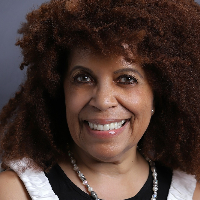











Denise Goin
LCSW
Tennessee - 15 yrs exp










What Mindfulness Therapy Is and the Principles Behind It
Mindfulness Therapy draws on practices that invite you to notice thoughts, sensations, and feelings without judgment. Rather than trying to eliminate certain experiences, the approach encourages a different relationship to them - one marked by curiosity, acceptance, and deliberate attention. Therapists who use mindfulness integrate gentle awareness exercises with therapeutic conversation so you can develop tools to respond to stressors more skilfully. Core principles include present-moment focus, nonjudgmental observation, and intentional practice that you can take into everyday life.
How Therapists in Tennessee Use Mindfulness Approaches
In Tennessee, therapists adapt mindfulness practices to a variety of settings and client needs. Some clinicians offer standalone mindfulness-based programs that follow a structured curriculum, while others weave breathing exercises, body scans, and short meditations into traditional therapeutic work. You might encounter mindfulness paired with cognitive-behavioral strategies, acceptance-based approaches, or trauma-informed care. Practitioners working in metropolitan areas such as Nashville and Knoxville often provide both in-person and online sessions to increase access, while providers in suburban and rural communities tailor practices to match local lifestyles and cultural preferences.
Integration with Everyday Life
Therapists emphasize simple, repeatable practices you can use between sessions. This might include brief breathing techniques to reduce reactivity at work, mindful walking to notice bodily sensations, or short attention exercises to support sleep and focus. The goal is practical - to help you notice habitual patterns and gain choices about how you respond to them. In a place like Memphis, where community rhythms vary widely, clinicians often suggest practices that fit into your daily routines rather than imposing rigid expectations.
Issues Mindfulness Therapy Is Commonly Used For
Mindfulness approaches are commonly chosen by people looking for ways to manage anxiety, chronic stress, low mood, and sleep difficulties. People coping with persistent pain, high workplace pressure, or emotional reactivity frequently turn to mindfulness to build resilience. Because the techniques focus on awareness and regulation, they can also support those navigating life transitions, relationship stress, or parenting challenges. You should understand that outcomes vary by person and that mindfulness is one of several tools a therapist may use to support your goals.
What a Typical Online Mindfulness Therapy Session Looks Like
An online mindfulness session usually begins with a brief check-in about how you have been since your last meeting. You and your therapist will review what you practiced, discuss any challenges, and set a focus for the session. The clinician may guide a short mindfulness exercise - for example, a five to twenty minute breathing or body-awareness practice - then invite reflection on what you noticed. That reflection often leads into skills coaching, exploration of patterns, and collaborative planning for what to try between sessions. Sessions also include time for questions and adaptation so practices are realistic for your schedule and context.
Technology and Practical Considerations
When you choose online sessions, think about a quiet setting where you can focus, reliable internet access, and a device with video capability. Therapists can offer adaptations for people who prefer audio-only calls or brief practices over text-based exchanges, but most find that seeing each other helps with guidance and connection. If you live outside larger centers, online formats make it easier to work with a therapist who specializes in mindfulness without a long commute.
Who Is a Good Candidate for Mindfulness Therapy
Mindfulness Therapy suits people who want active skills for noticing and responding differently to thoughts and sensations. If you are open to practicing between sessions and curious about inner experience, you may find this approach helpful. It can also be a helpful complement to other therapeutic methods if you are working on mood, stress management, or behavioral change. Mindfulness is not a quick fix - it often requires consistent practice - so it may be less appealing if you prefer purely insight-based talk therapy or short-term solutions with no homework. Discuss your goals with a therapist to see whether mindfulness aligns with the pace and focus you want.
How to Find the Right Mindfulness Therapist in Tennessee
Begin by considering logistical factors such as location, availability, and whether you prefer in-person meetings in cities like Nashville or Memphis or remote sessions that fit a busy schedule. Then look at training and experience - many clinicians list specific mindfulness-based programs, meditation training, or experience incorporating mindfulness into clinical work. Read therapist profiles to learn about their approaches, population focus, and typical session structure. It helps to note whether a therapist emphasizes practical exercises, trauma-informed care, or integration with other modalities. Reviews and introductory notes can give a sense of the clinician's style, but first impressions matter most - you may want to schedule a brief consultation to see if you feel comfortable and understood.
Questions to Ask When You Connect
When you reach out, you can ask about how the therapist structures mindfulness practice, what kinds of expectations they have for between-session work, and how they adapt practices for individual needs. Ask whether sessions are offered by video or in-person if you are near Chattanooga or Murfreesboro, and inquire about session length and frequency. If cost or insurance is a factor, ask about rates, sliding scale options, or whether they accept your plan. Clarifying these practical details early helps you choose a therapist who fits both your therapeutic and logistical needs.
Finding a Good Match Across Tennessee
Compatibility with your therapist matters. Even when clinicians use similar mindfulness techniques, their delivery and emphasis can differ - some take a clinical, skills-based orientation while others adopt a more experiential, contemplative style. Your own preferences, cultural background, and life circumstances will shape which approach feels most useful. If you live near a metropolitan hub like Nashville or Knoxville you may have access to a wider range of specialties, while smaller communities may offer clinicians with strong local knowledge and flexible scheduling. Either way, a thoughtful search and an initial conversation can help you identify someone whose approach aligns with your goals.
Mindfulness Therapy offers a practical path to sharpen attention and increase self-awareness so you can respond to life with more choice. By exploring profiles, checking training and approach, and asking practical questions, you can find a Tennessee-based therapist who fits your needs and helps you build sustainable mindfulness skills for daily life.