Find a Therapist of Color Therapist in Tennessee
This page lists therapists of color offering culturally informed mental health support across Tennessee, including options in Nashville, Memphis and Knoxville. Browse the listings below to compare specialties, approaches and availability.
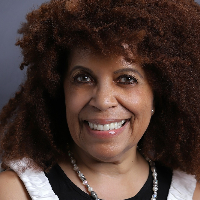










Denise Goin
LCSW
Tennessee - 15 yrs exp








How Therapist of Color care typically works for Tennessee residents
When you look for a Therapist of Color in Tennessee you are seeking clinicians who bring both professional training and lived experience with the cultural realities that shape many people's lives. Therapy begins with an initial consultation or intake session where you and the clinician discuss what brings you to therapy, your goals, and practical concerns like scheduling and fees. Over subsequent sessions the therapist will work with you to build trust, clarify priorities, and adapt therapeutic approaches to fit your cultural context - whether that means exploring family expectations, faith traditions, language, or racial identity. You can expect a collaborative process where your cultural perspective is treated as central to understanding your experience rather than an add-on.
Local context matters in Tennessee
Tennessee's communities range from dense urban centers to rural counties, and that variation shapes how therapists practice. In cities like Nashville, Memphis, and Knoxville you are likely to find a wider range of specialties and more clinicians who offer evening appointments or same-week openings. In smaller cities or rural areas, clinicians may offer broader generalist services and flexible remote options. Wherever you are in the state, a Therapist of Color can help you navigate issues that arise from living at the intersection of culture, race, and daily life in Tennessee.
Finding specialized help for Therapist of Color needs in Tennessee
Start by identifying what matters most to you. If you want someone who shares specific cultural or ethnic background, look for therapists who describe that identity in their profile. If language access is important, search for providers who list bilingual services. If faith traditions are a central part of your life, seek therapists who note experience integrating spiritual or religious considerations into counseling. You can also prioritize experience with particular concerns - for example, addressing racial stress, intergenerational dynamics, or community trauma - and ask about that experience during an initial call.
Using local resources and licensure information
Therapists in Tennessee are licensed through state regulatory processes, and you can ask clinicians directly about their license type and how long they have practiced. If you want reassurance about professional credentials, you may check licensure records maintained by Tennessee regulatory authorities. Asking specific questions about training in multicultural competency or ongoing education in race- and culture-informed approaches is a reasonable part of choosing a clinician who fits your needs.
What to expect from online therapy with a Therapist of Color
Online therapy has expanded access for many people across Tennessee, especially if you live outside major cities or have limited transportation. If you opt for virtual sessions, expect the initial intake to address technology, consent, emergency planning for your location, and how to maintain the therapeutic frame online. Many clinicians blend in-person and virtual work, so you may be able to arrange a mix depending on your comfort level. When you work with a Therapist of Color online, cultural attunement can be preserved through intentional practices - the clinician may ask about your environment, cultural routines, and the ways identity shows up in your daily life even when you are meeting over video.
Practical considerations for telehealth
Before your first online session, confirm that the therapist is authorized to practice with clients in your county if that is required, that you have a reliable internet connection or phone option, and that you have a quiet place where you can speak openly. Discuss how the clinician protects notes and records and what communication methods they use between sessions. You should feel comfortable asking how they adapt therapeutic techniques for a virtual setting and whether they have experience providing remote services to people from communities similar to yours.
Common signs that someone in Tennessee might benefit from Therapist of Color care
You might consider seeking a Therapist of Color if you find aspects of cultural identity, discrimination, or racial stress are central to how you feel. This can show up as ongoing worry about interactions at work or school, difficulty processing experiences of bias or microaggressions, strained family relationships related to cultural expectations, or a sense that mainstream therapy has not understood your cultural frame. You may also benefit when navigating identity transitions, immigration-related challenges, intersectional pressures related to race and gender, or community-level events that trigger collective grief or anger. These experiences do not always require a diagnosis to be important - they are valid reasons to look for a therapist who understands the cultural dynamics at play.
When cultural context intersects with other concerns
Culture often shapes how people express distress, seek support, and interpret healing. If you feel that life stress, anxiety, relationship challenges, or grief are deeply entangled with your cultural background, a Therapist of Color can help you untangle those threads and create strategies that honor your values. This might involve working with family expectations, addressing mistrust of systems, or finding ways to reclaim cultural strengths in the face of stress.
Tips for choosing the right Therapist of Color in Tennessee
Finding the right match involves both practical checks and intuition. Start by reading provider profiles to see how clinicians describe their cultural identities, populations served, and approaches. Narrow your list by practical matters like location - whether you want someone near Nashville, Memphis, Knoxville, Chattanooga, or Murfreesboro - availability, session format, and insurance or fee policies. Reach out for an introductory call and use that conversation to ask about the therapist's experience with issues similar to yours, how they integrate cultural considerations into planning, and what a typical session might look like. Pay attention to how they listen and whether they name and respect cultural factors without minimizing your perspective.
Questions you can ask and what to listen for
During an initial call you might ask about a clinician's experience working with clients from your background, their approach to race-related stress, and whether they offer resources or referrals to community supports. Listen for answers that show both humility around cultural differences and concrete experience or training. It is reasonable to ask about session structure, expected length of work together, and how they measure progress. Trust and rapport can take time to develop, so expect an unfolding relationship rather than immediate solutions.
Making the most of therapy in Tennessee
Therapy is most helpful when it fits the rhythms of your life. Consider practical matters like appointment times, ability to attend consistently, and whether you prefer evening or weekend slots. If local community events or local culture are relevant to your concerns, bring those examples into sessions to ground therapy in what matters most to you. Explore whether the clinician connects you to community resources in Tennessee - such as local support groups, cultural centers, or faith-based services - and whether they collaborate with other professionals when that is helpful for your goals.
Finding a Therapist of Color in Tennessee can be a meaningful step toward clearer understanding and support that respects your cultural identity. Use the listings on this page to compare clinicians, read profiles carefully, and reach out for an initial conversation. You have a range of options across urban and rural areas, and with the right questions you can identify a therapist who understands both evidence-based methods and the cultural context that shapes your experience.