Find a Queer Friendly Therapist in Tennessee
This page features therapists in Tennessee who identify as queer friendly and offer affirmative approaches for LGBTQ+ clients. Browse the listings below to compare clinicians by location, specialties, and availability.













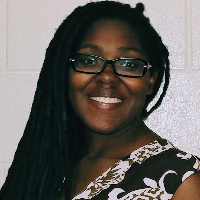

Cindy Cothran
LPCC, LPC
Tennessee - 18 yrs exp






What queer friendly therapy looks like for people in Tennessee
Queer friendly therapy focuses on respect for your sexual orientation, gender identity, and lived experience. In Tennessee this can mean working with clinicians who have experience navigating family conversations, coming out, relationships, and the unique stresses that can come from living in both urban and rural settings. A queer friendly therapist will typically center affirmation and cultural awareness in sessions while helping you explore goals, cope with stress, and build support networks that fit your life.
Therapists who describe themselves as queer friendly often draw from evidence-informed techniques while paying careful attention to language, pronouns, and the social realities you face. That approach matters whether you live in Nashville and are seeking city-based resources, in Memphis where community networks may be more visible, or in a smaller Tennessee town where access to LGBTQ+ services can be different. You should expect an environment where identity is treated with respect and your concerns are considered within the context of your relationships, work, and community.
Finding specialized help in Tennessee
Begin your search by narrowing options by location and modality. Many people look for therapists near them in cities like Nashville, Memphis, Knoxville, Chattanooga, or Murfreesboro, where clinicians may have more experience with a range of LGBTQ+ issues. If you live outside those cities, teletherapy expands available choices and may connect you with providers who have specific training in trans-affirming care, queer youth work, or relationship counseling for same-sex couples. When reviewing profiles, focus on a clinician's experience with issues that match your needs, such as gender identity exploration, family acceptance, trauma related to discrimination, or dating and relationship concerns.
Licensure and professional background are practical considerations. Confirm that a therapist is licensed in Tennessee or offers telehealth to Tennessee residents and ask about relevant continuing education or specialized training. Some therapists will note specific experience working with queer youth, transgender clients, racial and ethnic minority queer communities, or other intersections of identity. You can also look for descriptions of therapeutic approaches, such as cognitive behavioral therapy, narrative therapy, or trauma-informed care, and think about which styles might suit your goals.
Working with providers in Nashville, Memphis, Knoxville and beyond
Urban centers like Nashville and Memphis often have more in-person options and community resources, including groups and events that can complement individual therapy. Knoxville and Chattanooga also host clinicians with diverse skill sets, and Murfreesboro offers accessible care for people in the Middle Tennessee region. In towns where few in-person queer specific providers exist, therapists may offer telehealth appointments that allow you to connect with someone experienced in LGBTQ+ issues without traveling far. Think about whether you want a therapist who is local and familiar with Tennessee-specific social dynamics, or whether a provider outside your immediate area but with particular expertise is a better fit.
What to expect from online therapy for queer friendly care
Online therapy can be an effective way to access queer friendly care across Tennessee. Sessions often mirror in-person therapy in structure - regular appointments, an initial intake to discuss history and goals, and ongoing check-ins. You should expect a clinician to explain how virtual sessions work, what technology is needed, and how appointments are scheduled. Therapists commonly discuss their approach to privacy protections and how they store records, and they will clarify how to handle emergencies or crisis situations when you are not physically near their office.
Teletherapy increases flexibility. It can make it easier to find a clinician who uses affirming language and has experience with specific issues such as navigating medical transitions, exploring gender identity, or managing minority stress. If you are searching from a rural area of Tennessee, online options can be particularly valuable because they reduce travel time and broaden access. Before committing to a provider, you might schedule a brief initial call to make sure their communication style and scheduling match your needs.
Common signs you might benefit from queer friendly therapy in Tennessee
You might consider seeking queer friendly therapy if you are feeling isolated because of your identity, facing rejection or tension with family or friends, or experiencing anxiety about coming out at work or school. Relationship conflicts that involve identity-related issues, recurring stress from discrimination or harassment, and questions about gender or sexual identity that leave you uncertain are also common reasons people pursue affirming therapy. Many people seek therapy during times of transition, such as beginning a social or medical gender transition, moving to a new city, or adjusting to a new relationship dynamic.
Even if what you are experiencing feels manageable day-to-day, therapy can be a place to process experiences, learn coping strategies, and plan next steps. You may also find therapy helpful if you want to strengthen your confidence in expressing your identity in public spaces, develop tools to handle workplace stress, or better manage anxiety and mood changes linked to social pressures.
Tips for choosing the right queer friendly therapist in Tennessee
When choosing a therapist, start by clarifying what you want to work on and what characteristics matter to you. Consider whether you prefer someone who shares aspects of your identity or someone whose experience complements yours. Look at clinician profiles for explicit mention of LGBTQ+ affirmation and specific populations they serve. It can be useful to reach out with a short message or phone call to ask about experience with issues relevant to you, availability, fee structure, and accepted insurance plans.
Ask about a therapist's approach to working with pronouns, name changes, and medical referrals if those topics are relevant to you. If affordability matters, ask whether sliding scale fees are offered or whether there are lower cost options such as group therapy. Pay attention to how a clinician responds to your questions - an initial conversation should help you feel heard and respected. Trust your impression of whether a therapist listens and communicates in a way that feels collaborative.
For younger people or parents seeking care for a minor, confirm a therapist's experience with adolescents and the policies they follow around family involvement. If you prefer in-person sessions, target providers in larger cities like Nashville, Memphis, or Knoxville, where office-based queer friendly offerings are more common. If travel is an issue, prioritize therapists who offer teletherapy to Tennessee residents and who describe a clear plan for handling urgent needs remotely.
Next steps and finding ongoing support
Once you identify a few promising profiles, consider scheduling a short consultation to evaluate fit. Therapy often takes time to produce change, so finding a clinician with whom you feel comfortable and understood can make the experience more productive. In addition to individual therapy, many people benefit from support groups, community events, and educational resources that complement one-on-one work. Whether you are in Nashville, Memphis, Knoxville, Chattanooga, Murfreesboro, or elsewhere in Tennessee, there are ways to build a network of care that aligns with your identity and goals.
Use the listings above to compare clinicians by location, specialties, and availability, and reach out to those who seem like a good match. Taking the first step may feel challenging, but connecting with a queer friendly therapist can provide practical tools, emotional support, and a space to explore identity on your own terms.