Find a Polyamory Therapist in Tennessee
This page lists therapists who focus on polyamory and ethical nonmonogamy across Tennessee. You will find licensed clinicians serving cities like Nashville, Memphis, Knoxville and beyond. Browse the listings below to compare specialties, approaches, and availability.
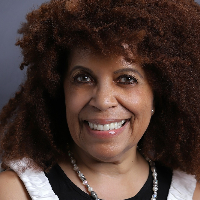






Cindy Cothran
LPCC, LPC
Tennessee - 18 yrs exp

















How polyamory therapy typically works for Tennessee residents
If you are exploring polyamory or managing multiple romantic relationships, therapy can help you clarify values, set agreements, and improve communication. Sessions may focus on developing communication skills, navigating jealousy, negotiating boundaries, and creating agreements that reflect your needs and the needs of others in your relationship network. Some therapists work with individuals to address personal patterns and emotional regulation, while others provide couple or group sessions that include two or more partners from your polycule. In Tennessee, therapists often blend practices from relationship-focused models with sex-positive approaches to meet the specific demands of ethical nonmonogamy.
Your path in therapy can be practical and skills-based or more exploratory and reflective, depending on what you want. You and your clinician will decide whether to include partners in sessions, how often to meet, and whether to use a combination of in-person appointments in larger cities like Nashville or Memphis and remote sessions for greater flexibility. The goal is to arrive at workable ways of relating that reduce conflict and support emotional growth.
Finding specialized help for polyamory in Tennessee
When you look for a therapist in Tennessee who knows polyamory, start by reviewing clinician profiles to learn about their training, licensure, and stated areas of interest. Many therapists list experience with ethical nonmonogamy, open relationships, and relationship diversity. You will find clinicians practicing in urban centers such as Knoxville and Chattanooga as well as suburban and rural communities. If you live outside a major metro area, online options increase your access to specialists who may be farther away but familiar with the dynamics you are facing.
Licensure abbreviations like LPC, LCSW, LMFT, and PsyD indicate different educational paths and scopes of practice. Ask a potential provider about their experience with polyamory, examples of the types of issues they typically help with, and whether they have worked with configurations similar to yours. You can also inquire about their approach to subjects that matter to you - for instance relationships that involve parenting, blended households, or intersections with gender and sexual identity. These practical questions help you gauge whether a clinician is a good cultural and clinical fit for your situation in Tennessee.
What to expect from online therapy for polyamory
Online therapy has become common across Tennessee and can be a particularly useful option for people involved in polyamorous relationships. You should expect video or phone sessions that mirror the structure of in-person therapy: a regular appointment time, an intake conversation to outline goals, and collaborative planning. Online sessions allow partners who live in different cities - for example, one partner in Nashville and another in Memphis - to join the same appointment without travel. Therapists will typically discuss technology needs, consent for recording if relevant, and guidelines for managing interruptions so that sessions remain focused and productive.
Online therapy also makes it easier to access clinicians with specific polyamory expertise who may not be located in your county. If you choose teletherapy, confirm that the therapist is authorized to provide services to residents of Tennessee and ask how they handle documentation and professional boundaries. Prepare for sessions by finding a quiet, comfortable environment and letting others know you will not be disturbed. If multiple partners will attend, coordinate logistics in advance so each person has a private space to participate fully in the conversation.
Common signs you might benefit from polyamory therapy in Tennessee
You might consider seeking therapy if communication in your relationships repeatedly breaks down, if jealousy or insecurity interferes with connection, or if new relationships create confusion about expectations and agreements. Another indicator is feeling isolated because of stigma or a sense that friends and family do not understand the relationship model you are using. You may also want help when changing relationship configurations - for example, adding partners, shifting from hierarchical to nonhierarchical arrangements, or navigating parenting arrangements that involve multiple partners.
Therapy can also be supportive when conflicts involve metamours, when differences in sexual desire strain connections, or when logistics like time management and financial arrangements become sources of tension. If you are relocating within Tennessee or moving between cities such as Murfreesboro and Knoxville, therapy can help you manage transitions and find resources in a new community. Ultimately, if relationship challenges are affecting your mood, work, or day-to-day functioning, talking with a clinician familiar with polyamory can be a practical next step.
Tips for choosing the right polyamory therapist in Tennessee
Choosing a therapist is both practical and personal. First, look for clinicians who explicitly state experience with ethical nonmonogamy or polyamory; this tells you they are likely to approach your situation without judgement. Next, consider their therapeutic orientation - you may prefer an approach that emphasizes emotions and attachment, or one that focuses on communication skills and conflict resolution. Ask about the therapist's experience working with configurations similar to yours and whether they are comfortable conducting sessions with multiple partners present.
Practical considerations matter as well. Check whether a therapist offers evening or weekend appointments if you and your partners have busy schedules. Inquire about fees and whether they accept insurance or offer a sliding fee arrangement. If you are concerned about local resources, ask if they can recommend support groups, relationship educators, or attorneys in Tennessee for non-therapeutic matters such as co-parenting agreements. Trust your sense of rapport - an initial consultation can reveal whether you feel heard and respected. If the first clinician is not a fit, it is reasonable to try another until you find someone who aligns with your needs.
Navigating sessions that include multiple partners
When partners join therapy together, clear agreements about attendance, personal nature of sessions expectations, and goals for therapy should be set at the outset. You should expect a therapist to facilitate equitable participation, manage emotions that arise in the room, and help translate difficult conversations into actionable steps. Group sessions can be productive for negotiating agreements, resolving misunderstandings, and practicing communication techniques in real time. If you worry about power dynamics or fear being overwhelmed, discuss staging sessions - beginning with individual work before moving to joint appointments - to create a stepwise plan that feels manageable.
Finding support beyond therapy
Therapy is one component of broader support. You may find value in local meetups, educational workshops, and community groups that welcome relationship diversity. Cities like Nashville and Chattanooga often host discussions and events where you can meet others who share similar experiences. If you live in a smaller town, online forums and workshops bring people together across distances. Combining individual or couple therapy with peer support and educational resources can give you a fuller toolkit for navigating the social and emotional work of polyamory.
Deciding to seek therapy is a step toward improving how you relate, reducing recurring conflict, and finding more satisfaction in your relationships. Use the listings on this page to compare clinicians, read their profiles, and contact those who seem like a good match. A thoughtful conversation with a therapist can help you create agreements and strategies that fit your life in Tennessee, whether you are in Nashville, Memphis, Knoxville, or elsewhere in the state.