Find a Panic Disorder and Panic Attacks Therapist in Tennessee
This page lists therapists in Tennessee who focus on panic disorder and panic attacks. Browse profiles below to compare approaches, availability, and locations like Nashville, Memphis, and Knoxville.
















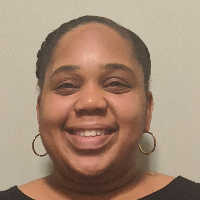
Denise Goin
LCSW
Tennessee - 15 yrs exp







How therapy for panic disorder and panic attacks works for Tennessee residents
If you are living in Tennessee and facing panic attacks or a diagnosis of panic disorder, therapy typically begins with an assessment of your current symptoms, history, and daily functioning. Your therapist will work with you to build a treatment plan that reflects your goals - whether that is reducing the frequency of panic attacks, managing anticipatory anxiety, or restoring confidence in daily activities. Across practices in Nashville, Memphis, and Knoxville, clinicians often draw on evidence-informed approaches that teach skills for calming the nervous system, identifying thought patterns that fuel panic, and gradually facing feared sensations or situations in a controlled way. Therapy is a collaborative process - you and your clinician will track progress and adjust strategies as you learn what helps most for your situation.
Finding specialized help for panic disorder and panic attacks in Tennessee
When you begin searching for a therapist in Tennessee, pay attention to clinicians who list panic disorder, anxiety disorders, or panic attacks under their specialties. Many practitioners indicate their training in cognitive behavioral therapy, exposure-based methods, or anxiety-focused interventions, which are commonly used with panic concerns. Consider looking for clinicians with experience working with adults, adolescents, or other populations that match your needs. Location matters for in-person work - you may prefer a therapist near your home or workplace in cities such as Nashville, Memphis, Knoxville, Chattanooga, or Murfreesboro. You can also filter listings by insurance participation, sliding scale options, or specific modalities to find a match that fits your logistics and budget.
What to expect from online therapy for panic disorder and panic attacks
Online therapy has become a widely used option for people in Tennessee who want flexibility or who live outside major metro areas. If you choose virtual sessions, you can expect many of the same therapeutic tools you would get in person - breathing and grounding techniques, cognitive restructuring, interoceptive exposure exercises that simulate panic sensations, and planning for real-world practice between sessions. Video sessions allow your therapist to observe nonverbal cues and coach you through exposure tasks while you are in your own environment. Messaging and phone check-ins may be offered to supplement sessions, providing a way to get support between appointments. Before beginning online care, check that the therapist is licensed to practice in Tennessee and ask about how they handle appointment scheduling, cancellations, and emergency contacts. Test your device and internet connection before your first session so you can focus on the conversation rather than technology.
Common signs you might benefit from panic disorder and panic attacks therapy
You may be wondering whether therapy could help. People who find that panic attacks are unpredictable, frequent, or disrupting work, school, relationships, or daily tasks often benefit from professional support. If you avoid social outings, driving, or public spaces because you fear having a panic attack, that avoidance can limit your opportunities and quality of life. Other signs include ongoing worry about when the next attack will happen, persistent physical symptoms such as heart palpitations or shortness of breath during anxious episodes, and cycles of fear that are hard to control on your own. Even if panic episodes are infrequent, the fear of them can create a constant baseline of anxiety that therapy can address. If you live in Tennessee and notice these patterns, reaching out to a therapist can be a practical first step toward understanding and managing symptoms.
Practical expectations for your first sessions
Your initial appointments will typically focus on building rapport and gathering a clear picture of your experiences. Expect questions about when your panic attacks started, what seems to trigger them, how you cope, and how they affect your daily life. Your therapist may ask about medical history and medication if relevant, and whether you have tried any self-help strategies or prior therapy. Together you will set concrete goals for treatment and discuss how often sessions should occur. Some people begin with weekly sessions and then move to biweekly check-ins as they gain skills. You should feel free to ask about the therapist’s experience treating panic disorder, their approach to exposure work, and how they measure progress.
Tips for choosing the right therapist in Tennessee
Choosing a therapist is a personal decision and a good fit matters. Start by identifying what matters most to you - proximity, availability for evening or weekend appointments, experience with panic-specific treatments, or comfort with online sessions. Read clinician profiles to learn about their training, theoretical orientation, and professional interests. During initial conversations, ask how they typically help people with panic attacks, request examples of strategies you might learn, and inquire about expected timeframe for skill development. Consider practical factors as well - whether they accept your insurance or offer sliding scale fees, and whether they have experience working with people from similar backgrounds to you. Trust your instincts about communication style; you will progress more quickly with a therapist who listens, respects your pace, and explains techniques in ways you can use in daily life.
Considerations for residents outside major cities
If you live in a smaller community in Tennessee or farther from Nashville, Memphis, Knoxville, or Chattanooga, online therapy can expand your options and connect you with clinicians who specialize in panic disorder. Even if you prefer in-person care, some therapists in regional centers offer flexible hours or hybrid models to accommodate commuting clients. When you are evaluating a clinician, ask about their familiarity with local resources such as support groups, crisis services, or community mental health centers, since coordinating with local supports can be helpful if you need additional services.
Questions to ask during a consultation
Prepare a few questions to help you evaluate fit before committing to a series of sessions. You may want to ask about their experience with panic disorder and specific methods they use, how they handle exposure tasks, and how they collaborate with medical providers when medication management is involved. It is appropriate to ask about session length and frequency, payment policies, and what to do if you have an urgent need between sessions. Asking these practical questions up front helps you choose a therapist whose approach aligns with your expectations and lifestyle.
Next steps for getting started
Begin by browsing the profiles on this page and narrowing your options to therapists who list panic disorder and panic attacks as areas of focus. Contact a few clinicians to compare availability, approach, and fees. Many people find it useful to try one or two initial sessions to see how comfortable they feel and whether the therapist’s style suits them. If you live in Tennessee and experience barriers to care, look for clinicians who offer sliding scale fees or who accept your insurance. Remember that starting therapy is a step toward learning tools that can reduce avoidance and help you feel more in control when panic symptoms arise.
Closing thoughts
Seeking help for panic disorder and panic attacks is a practical move toward regaining control over your life. Whether you choose an in-person therapist in Nashville or Memphis, or engage with a clinician online while living in a smaller Tennessee town, you can find therapists who specialize in anxiety-focused care. Use the listings below to compare profiles, read about clinician approaches, and schedule an introductory consultation to decide what feels right for you.