Find an LGBT Therapist in Tennessee
This page highlights therapists who focus on LGBT care throughout Tennessee. You will find profiles for clinicians offering both in-person and online appointments across major cities and surrounding communities. Browse the listings below to compare approaches, specialties, and availability.















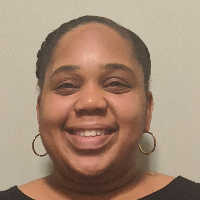
Cindy Cothran
LPCC, LPC
Tennessee - 18 yrs exp








How LGBT therapy typically works for Tennessee residents
When you begin looking for LGBT-focused therapy in Tennessee, the process often starts with a brief intake to understand what brought you to seek help and what you hope to achieve. Therapists who work with LGBT clients generally emphasize an affirming approach - one that acknowledges and respects your sexual orientation and gender identity while helping you develop coping strategies and practical steps toward your goals. Initial sessions usually include a review of your history, an assessment of current stressors, and collaborative goal setting so you and your clinician have a shared plan to follow.
Many clinicians blend talk therapy with evidence-informed techniques such as cognitive behavioral strategies, interpersonal work, and trauma-informed care. If you are exploring gender identity or transitioning, a therapist can help you sort through emotional and social aspects of that process and coordinate with medical providers when needed. Therapists in Tennessee may also support family conversations, relationship concerns, and workplace issues that intersect with your identity.
Finding specialized LGBT help in Tennessee
The availability of therapists with specific LGBT expertise can vary by location. In urban centers like Nashville, Memphis, and Knoxville you are more likely to find clinicians who advertise years of focused experience, specialized training, or involvement in local LGBT communities. Smaller cities such as Chattanooga and Murfreesboro have practitioners who are knowledgeable and welcoming, and many therapists from larger cities offer online sessions that extend access to people in rural areas across the state.
When you search for a provider you may want to look beyond basic credentials and pay attention to training, community involvement, and stated approaches to gender and sexuality. Bios that mention affirmative practice, experience with coming out, family support work, or transgender health tend to indicate a focus on LGBT needs. You can also check whether clinicians have training in trauma-informed care, couples therapy, or adolescent development if those areas match your situation. Reading short profiles and introductory statements will help you find someone whose perspective feels like a fit.
Practical considerations for Tennessee residents
Licensing matters because most therapists are licensed by state boards. If you plan to use video or phone sessions, verify that the clinician is authorized to practice in Tennessee. Insurance coverage varies by plan and by provider, so check whether a therapist accepts your insurance or if they offer sliding scale fees. If transportation is a concern, pay attention to whether a therapist offers evening or weekend appointments or has an online option to reduce travel time. Local community centers and advocacy groups in larger cities can also be resources for referrals and support.
What to expect from online therapy for LGBT clients
Online therapy can expand your options, especially if you live outside major metropolitan areas. Through video or phone sessions you can access clinicians in Nashville or Memphis without commuting, which can make it easier to find someone whose approach feels right. Online work often follows the same structure as in-person therapy - initial intake, goal setting, regular sessions, and periodic progress check-ins. Therapists will typically discuss boundaries, session length, fees, and emergency plans during that first exchange so you know what to expect.
Many people find online therapy more convenient for fitting care into busy schedules, and it can help you maintain continuity of care when you move within Tennessee. If you plan to participate from a shared home, think ahead about arranging a quiet, comfortable environment for sessions. Make sure your internet connection supports video and that you have a plan if technology fails mid-session. Clinicians will explain how they handle records, privacy, and emergency contacts so you feel informed about the service you receive.
Signs that LGBT therapy might help you
You might consider seeking LGBT-focused therapy if you are dealing with persistent anxiety, low mood, or stress related to coming out, identity exploration, or discrimination. Relationship strain and challenges navigating family reactions are common reasons people look for support. If you are considering social or medical transition, therapy can offer a structured place to process decisions, manage emotions, and plan next steps. Experiences of bullying, harassment, or past trauma that relate to your identity are also important to address in a supportive therapeutic relationship.
Besides acute concerns, you may seek therapy simply to deepen self-understanding, improve communication in relationships, or build resilience in the face of social pressure. People sometimes pursue therapy during life changes such as moving to a new city, starting college, or entering a new phase of a partnership. If you notice that daily tasks feel harder, your relationships are strained, or you are avoiding social situations because of identity-related stress, professional support can be useful in creating practical coping strategies and restoring balance.
Choosing the right therapist for LGBT care in Tennessee
Finding the right therapist is a personal process. Start by identifying what matters most to you - clinical experience with specific issues, cultural background, gender, or availability for evening sessions. Reach out with a brief message or phone call to ask about experience with LGBT clients and the therapist's general approach to issues you care about. A good clinician will welcome questions about their training and be clear about how they work. Trust your instincts during initial conversations - rapport and feeling understood are crucial for making progress.
Consider whether you prefer a clinician who integrates community resources into care, such as connections with local support groups in Nashville or Memphis, or one who emphasizes individual psychotherapy methods. If you have particular needs, like support for adolescence, relationship therapy, or past trauma, ask about relevant experience. Practical matters matter too - confirm insurance participation, cancellation policies, and whether the therapist offers in-person sessions near you or only online. Many people benefit from a short trial period of a few sessions to see whether the match feels right, and therapists expect that matching is part of the process.
Using listings to take the next step
The directory listings below are designed to help you compare clinicians by specialties, approaches, and availability. When you find profiles that look promising, contact a few to ask about intake procedures and whether they are accepting new clients. Prepare for a first session by thinking about what you want to work on, any relevant medical or therapy history, and practical scheduling or insurance questions. If a clinician does not feel like the right fit, it is reasonable to try another; finding the right match often makes a meaningful difference in how helpful therapy feels.
Whether you are in a city like Knoxville or in a smaller Tennessee town, there are therapists who focus on LGBT needs and who can help you navigate identity questions, relationships, and life transitions. Use the listings to explore your options, read clinician statements, and reach out to begin the process of getting support that reflects your experience and goals.