Find a Communication Problems Therapist in Tennessee
This page connects you with therapists in Tennessee who specialize in communication problems, from couples to social skills and family dynamics. Browse the listings below to compare clinician backgrounds, approaches, and contact options to find a good match.

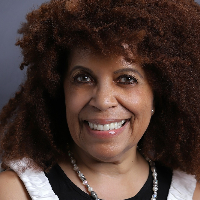


Robin Hall
LCSW
Tennessee - 12 yrs exp















How communication problems therapy works for Tennessee residents
If you are seeking help for communication challenges you or a loved one are facing, therapy often begins with an assessment of the patterns that cause difficulty. A therapist will want to understand the situations where communication breaks down - whether it is in romantic relationships, between parents and children, at work, or in social settings. You and the clinician will explore contributing factors such as emotional triggers, differing expectations, past experiences, and practical skills like listening and assertive expression. From there you will set goals together that are specific to your life in Tennessee, taking into account local culture, family norms, and any logistical concerns related to work, school, or caregiving.
Assessment and goal-setting
The first few sessions typically focus on gathering context and identifying priorities. A clinician may ask about the frequency and impact of communication breakdowns, what happens immediately before and after difficult exchanges, and what you hope to change. You will work to set measurable goals - for example, reducing escalations with a partner, improving clarity at work, or helping a teen express needs more effectively. These goals guide the choice of interventions and help you track progress over time.
Finding specialized help for communication problems in Tennessee
Tennessee has a variety of clinicians who work with communication difficulties, including licensed counselors, family therapists, and speech-language professionals who specialize in social communication. When you look through listings, pay attention to clinicians who describe experience with the specific context you need - couples therapy, parent-child interaction work, or support for neurodiverse communication styles. Many practitioners list their theoretical approaches and common client concerns, which can help you find someone whose training aligns with your goals.
Local options and specialties
In larger centers like Nashville and Memphis you will often find clinicians who work with a broad range of interpersonal issues and who have experience with diverse family structures. Knoxville and Chattanooga have practitioners who blend clinical practice with community resources, which can be helpful if you need referrals for schools or local support groups. If you live in smaller towns or in suburban areas such as Murfreesboro, you may find therapists who offer a mix of in-person and remote sessions to fit your schedule. When specialty matters - for example, therapy focused on communication for autism or for couples navigating blended families - look for clinicians who explicitly list that experience in their profiles.
What to expect from online therapy for communication problems
Online therapy can be an effective option if you have a busy schedule, limited access to local specialists, or prefer meeting from your own home. You can expect many of the same core interventions as in-person work - skills training, role-play, feedback on patterns, and homework exercises - but adapted to a virtual setting. Some clinicians use video sessions to observe interactions with family members or partners in real time, which can reveal dynamics you might not notice in the clinic. Others use text-based messaging and session notes to reinforce skill practice between appointments. If you choose online care, make sure you have a quiet, comfortable environment for sessions and that you understand the clinician's policies on scheduling and communication.
Practical considerations for online sessions
When planning virtual sessions you should consider factors such as internet stability, privacy at home, and how to involve other family members if needed. You may want to schedule sessions at times when interruptions are minimal, and discuss with your clinician how to handle sensitive moments during a video call. Many therapists provide concrete practice tasks you can try between sessions, so online work often emphasizes real-world application in your daily routines.
Common signs that someone in Tennessee might benefit from communication problems therapy
You might decide to seek therapy if you notice repeated arguments that do not lead to resolution, ongoing misunderstandings that affect your relationships or work performance, or a sense that conversations quickly become emotionally charged. Parents sometimes seek help when a child withdraws, will not share feelings, or frequently misinterprets social cues. Couples may come in when they feel stuck in criticism-defensiveness cycles or when major transitions such as moves, job changes, or new family members make communication harder. At work, persistent conflict, unclear expectations, or difficulty advocating for yourself without escalating may also point to communication skills work. Recognizing a pattern that causes distress or impairment is a useful signal that targeted help could make daily life smoother.
Tips for choosing the right therapist for this specialty in Tennessee
Start by clarifying what you want to change and the type of support you prefer. If your priority is repairing romantic communication, look for clinicians with couples training and experience handling topics like trust, negotiation, and co-parenting. If you are focused on family communication, search for providers who work with families and who can facilitate multi-person sessions. For social communication challenges related to neurodiversity or developmental differences, seek clinicians who list experience with these populations and who collaborate with schools or speech-language professionals when appropriate.
Pay attention to practical matters as well. Consider whether you prefer evening or weekend availability, whether the clinician offers in-person sessions near your city or online appointments that fit your routine, and how they approach homework and skills practice. Many clinicians provide a phone or email contact for brief initial questions - use that to ask about their experience, approach, and what a typical course of therapy might look like. Trust your instincts about rapport; the ability to be open and receive candid feedback matters more than matching on every background detail.
Working with cultural and regional factors
Tennessee communities vary in norms and expectations, and a therapist who understands regional family structures and communication styles can make it easier to apply new skills in real life. Whether you live near the music scene of Nashville, the river neighborhoods of Memphis, or the university town atmosphere of Knoxville, finding a clinician who respects your context and speaks plainly about practical changes will ease the process. If religion or extended family plays a significant role in communication patterns for you, look for a therapist who is experienced integrating those elements into therapy.
Making the most of therapy once you begin
Progress often comes from consistent practice and small experiments in everyday interactions. Your therapist will likely assign exercises to try between sessions - conversational scripts, timing techniques for difficult talks, or emotional regulation practices to use in the moment. Keep a brief log of attempts and outcomes so you and your clinician can refine strategies. If you are working with a partner or family member, agree on how you will bring learning into the household and set realistic expectations about setbacks. Therapy is about developing skills that fit your life, so direct application and reflection are central to lasting change.
Next steps
Use the listings above to compare therapists' backgrounds, areas of focus, and availability. Reach out with a few targeted questions to clarify fit and to learn how the clinician structures sessions. Whether you are near Nashville, Memphis, Knoxville, Chattanooga, Murfreesboro, or elsewhere in Tennessee, you can find professionals offering a range of approaches and formats to help you improve communication and quality of relationships. Taking that first step to inquire is often the most important move toward clearer, more effective conversations in your life.