Find a Coaching Therapist in Tennessee
Explore coaching therapists serving Tennessee who specialize in career development, leadership skills, and personal growth. Browse the listings below to compare approaches and connect with professionals in Nashville, Memphis, Knoxville, and surrounding areas.

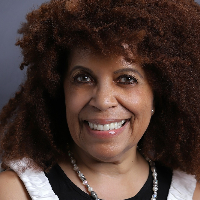



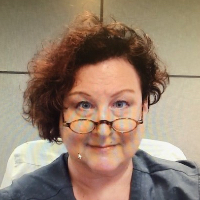
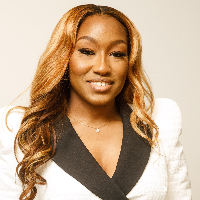
Denise Goin
LCSW
Tennessee - 15 yrs exp










How coaching works for people in Tennessee
Coaching in Tennessee often blends goal-focused conversation with practical planning and accountability. When you work with a coach you can expect sessions that center on where you want to be next - whether that is a career shift, better work-life balance, or clearer leadership presence. Sessions typically begin with an intake conversation to identify priorities and set measurable objectives. From there, you and your coach develop a plan with steps you can practice between appointments. The pace and techniques will depend on your goals and the coach's training, but the emphasis is frequently on actionable strategies and regular review so you can see progress over weeks and months.
Finding specialized coaching help in Tennessee
Coaching covers a broad range of specialties, so it helps to look for a professional whose experience matches your needs. If you are navigating a career pivot in Nashville you may prefer someone with executive coaching or career transition experience. In Memphis you might seek a coach who understands regional industries and community networks. In Knoxville or Chattanooga you may value a coach who knows how to address work-life balance in smaller metropolitan areas. Look at each profile to see the focus areas, professional training, and typical client goals. You can also reach out to ask about relevant experience and request a short conversation to get a sense of how they approach your situation.
What to expect from online coaching in Tennessee
Online coaching expands your options beyond local offices and can be particularly useful in a state with both large cities and rural communities. If you choose remote sessions you will want to confirm the coach's availability for video or phone appointments and whether they offer evening or weekend times that fit your schedule. Online sessions usually follow the same structure as in-person meetings - goal setting, strategy development, and accountability - but they may incorporate digital tools such as shared documents, progress trackers, or brief exercises you complete between meetings. Make sure you have a private place to participate and a reliable internet connection so you can focus on the conversation without distractions.
Legal and practical considerations for Tennessee residents
Coaching and counseling can overlap in methods, but credentials and practice regulations may differ. If having a licensed mental health professional is important to you, ask whether the coach holds a state license as a counselor, social worker, or psychologist in Tennessee. Some coaches have additional certifications in coaching methods that are useful for career and leadership work. It is also reasonable to ask about policies for cancellations, session length, and fees. If you hope to use insurance for coaching-like services, check with your provider - many insurers have specific rules about what is covered. Asking these questions up front will help you choose a professional whose background and administrative terms match your expectations.
Signs you might benefit from coaching therapy
You might benefit from coaching if you find yourself repeatedly revisiting the same decisions without progress, if you are preparing for a new role, or if you want clearer structure for achieving personal or professional goals. Coaching can help when you have a specific outcome in mind - a promotion, a career change, greater confidence in public speaking, or a plan to balance family and work responsibilities. If you notice that goal-setting alone does not move you forward, or that you need stronger accountability and practical skills to bridge intention and action, coaching can provide that structure. People sometimes seek coaching when they want support that is future-focused and pragmatic rather than primarily aimed at processing past experiences.
When to consider an alternative or complementary approach
If your main concerns involve ongoing emotional distress, symptoms that interfere with daily functioning, or complex mental health history, you may wish to look for a licensed mental health provider who can offer therapy or clinical interventions. Coaching often works well alongside clinical care for people who are managing diagnosed conditions and also want targeted goal work. You can ask a prospective coach how they coordinate care with mental health professionals when appropriate, and whether they have experience working with clients who use multiple supports.
Choosing the right coach in Tennessee
Finding a good fit involves practical and interpersonal considerations. Start by clarifying what success looks like for you - specific outcomes, timeline, and the type of support you prefer. Use profile information to note experience, methods, and any specialties that match your goals. When you contact a coach ask how they structure a typical series of sessions, what tools they use to measure progress, and how flexible they are with scheduling. Trust your response to the initial conversation - rapport matters because the work will be more effective when you feel understood and motivated by the process.
Practical tips for comparing options
Consider logistics such as location if you prefer in-person meetings, or the coach's platform and technical requirements for online work. If cost is a concern inquire about session rates, sliding scale options, and whether the coach offers packages that reduce the per-session fee. Look for testimonials or case descriptions that illustrate relevant outcomes, and ask for a brief introductory call if you are unsure. In urban centers like Nashville and Memphis you may have a larger pool to choose from, while in smaller cities such as Murfreesboro or in rural areas you may value a coach who offers reliable remote appointments. Balancing professional credentials with personal fit and practical terms will help you make a choice you can commit to.
Next steps and making the first appointment
When you are ready to reach out, prepare a few notes about your goals and current challenges to share during an initial conversation. Ask about the first session format and what to expect so you can arrive prepared. If you are comparing two or three coaches, try short consultations with each to see which style resonates most with you. Remember that coaching is a collaborative effort - your commitment to follow-through between sessions plays a large role in the results you achieve. Whether you are based in Knoxville, Chattanooga, or elsewhere in Tennessee, taking an informed and proactive approach to selecting a coach will increase the likelihood that you find the right partner for your next steps.
Final considerations
Coaching can offer focused, goal-oriented support whether you are pursuing career advancement, leadership development, or personal growth. By identifying what you want to accomplish, checking qualifications and logistical details, and trusting your sense of fit, you can choose a coach who helps you move from intention to action. Use the listings above to review professionals in Tennessee and request an initial conversation to determine whether a particular coach is the right match for you.