Find a Cancer Therapist in Tennessee
This page connects you with therapists in Tennessee who specialize in cancer-related emotional and psychological support. You will find profiles for clinicians offering in-person and online care across the state. Browse the listings below to review specialties, locations, and availability.
















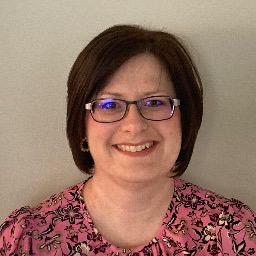



How cancer therapy works for Tennessee residents
If you are facing a cancer diagnosis, treatment, or survivorship, therapy can provide a focused space for coping, decision-making, and emotional recovery. In Tennessee, cancer therapy is delivered in a variety of settings - outpatient clinics, community mental health centers, oncology clinics, and online platforms that allow you to meet with a therapist from home. Sessions typically focus on your immediate concerns such as managing anxiety about treatment, processing grief or loss, addressing shifting roles within family life, and building practical strategies for fatigue and cognitive changes. Many therapists work collaboratively with your medical team when you consent to that coordination, helping translate medical updates into actionable emotional care.
Models of care you may encounter
Your therapist may use a range of approaches depending on your needs. Some clinicians use evidence-informed techniques such as cognitive-behavioral strategies to address anxiety and intrusive thoughts, while others offer meaning-centered therapy to explore questions about identity and purpose during illness. Mindfulness-based approaches can help with stress reduction and symptom tolerance, and supportive counseling provides a space to process feelings without a structured protocol. If you are dealing with cognitive effects from treatment, clinicians with training in neuropsychological rehabilitation can offer targeted strategies to manage attention and memory changes. The approach should feel tailored to your goals and life circumstances.
Finding specialized help for cancer in Tennessee
When searching for a therapist in Tennessee, begin by looking for clinicians who list cancer, oncology, or medical-related distress among their specialties. Licensure titles such as Licensed Clinical Social Worker (LCSW), Licensed Professional Counselor (LPC), or licensed psychologists are common, and each brings different training backgrounds. You may find clinicians who advertise experience working with oncology teams, survivorship programs, hospice and palliative care, or caregiver support. In larger centers like Nashville and Memphis there tends to be greater availability of specialized clinicians, while in Knoxville and other regions you may find clinicians who offer hybrid models - combining in-person sessions with online options to increase access. If you live in a smaller town such as Murfreesboro or Chattanooga, online therapy can broaden your choices while still allowing for local referrals when in-person services are needed.
Working with medical teams
Many therapists who work with people affected by cancer are accustomed to collaborating with oncologists, nurses, social workers, and palliative care staff. With your permission, this coordination can help ensure that psychosocial care aligns with your medical plan. Therapists can assist with communication tools for discussing prognosis or treatment decisions, support you in planning for symptom management, and help family members navigate changing roles. If you prefer limited coordination, you can discuss boundaries with a clinician so that they understand how much interaction you want between your mental health provider and your medical team.
What to expect from online therapy for cancer
Online therapy has become an accessible option for many people in Tennessee. When you choose an online clinician, sessions are usually conducted via video or phone, and the format often mirrors in-person therapy in content and structure. You can expect an initial intake to cover your medical history, current concerns, and treatment timeline, followed by regular sessions that focus on coping strategies, emotional processing, and goal-setting. Online work can be especially helpful when frequent hospital visits make travel difficult, or when you need scheduling flexibility around treatment appointments. In major cities like Nashville and Knoxville, clinicians may offer a mix of in-person and online appointments so you can choose what fits best.
Practical tips for online sessions
Before your first online appointment, choose a quiet, comfortable setting where you will not be interrupted. Test your device and internet connection and confirm the platform your clinician uses. It is useful to have a list of current medications and recent medical updates available, and to discuss emergency plans and local contacts in case you need immediate in-person support between sessions. If technology is a barrier, ask about phone-based sessions or in-person options in nearby clinical practices. Many therapists are willing to adapt their methods to suit your needs and to coordinate with local resources when necessary.
Common signs that someone in Tennessee might benefit from cancer therapy
You might consider seeking therapy if you notice persistent changes that interfere with daily life. Ongoing anxiety about prognosis or recurrence that makes concentration or sleep difficult is one indicator. If you find yourself withdrawing from relationships, feeling overwhelmed by medical decisions, or struggling with changes in body image and intimacy, therapeutic support can help you navigate these challenges. Caregivers often experience burnout, resentment, or chronic worry - therapy can provide strategies to manage stress and maintain resilience. Survivors may also face late emotional effects as they transition from active treatment to follow-up care; therapy can support that shift and help you reintegrate into everyday life. You do not need to wait until distress becomes severe to reach out - early support can make a meaningful difference in how you manage ongoing stressors.
Tips for choosing the right therapist for cancer-related needs in Tennessee
Start by clarifying what you most want from therapy - symptom relief, support through medical decisions, help with relationships, or assistance managing treatment side effects. Use those priorities to guide your search. Look for clinicians who explicitly reference oncology, chronic illness, or medical trauma in their profiles and who describe experience with issues like grief, anxiety, caregiver support, or survivorship. Consider the clinician's training and licensure, and ask about their experience working with local medical systems if that is important to you. Practical matters such as location, availability for evening or weekend appointments, insurance participation, and fees are also relevant. If you prefer in-person care, searching within cities like Nashville, Memphis, or Knoxville will often yield more specialty options. If mobility or scheduling is a challenge, prioritize clinicians who offer flexible online sessions.
What to ask during an initial consultation
During a brief consultation you can ask how the clinician has supported people with cancer in the past, what approaches they use, and how they coordinate with medical teams. It is appropriate to inquire about experience with issues you anticipate - for example, managing treatment-related fatigue or working with families. Ask about the expected frequency of sessions and whether they offer short-term, goal-focused work or longer-term support. Discuss logistical questions such as cancellation policies, emergency procedures, and options for virtual or phone sessions. A clear conversation up front can help you assess whether the clinician's style and availability fit your needs.
Accessing resources across Tennessee
Across the state there are varied supports that can complement therapy, including oncology social work, community support groups, and survivorship programs at regional centers. If you live near a metropolitan area such as Nashville or Memphis, you may find multidisciplinary clinics that include mental health professionals as part of routine care. In other communities, therapists often work closely with local hospitals and cancer support organizations to ensure coordinated care. When you find a therapist profile that feels right, reach out to confirm that they understand your medical context and can partner with any existing supports you have in place.
Next steps
Finding the right therapist can feel like an additional task when you are managing appointments and treatments. Start by reviewing clinician profiles on this page to identify those who list oncology-related experience, then schedule a short consultation to get a sense of fit. Remember that you can change providers if a match does not feel right - good therapeutic care is both clinical and relational. Whether you are in a city like Knoxville or a smaller community, there are clinicians who understand the unique challenges posed by cancer and who can help you build coping strategies, improve communication with family and medical teams, and regain a sense of control as you move forward. Browse the listings below to begin connecting with clinicians who specialize in cancer-related care in Tennessee.