Find a Young Adult Issues Therapist in South Dakota
This page highlights therapists in South Dakota who specialize in young adult issues, with options from urban centers to rural communities. Browse the listings below to review specialties, approaches, and availability to find a good match.

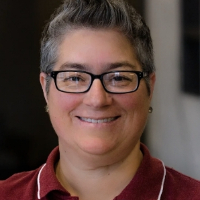
Kathryn Sims
LPC
South Dakota - 8 yrs exp











How young adult issues therapy works for South Dakota residents
Therapy for young adult issues is aimed at helping you navigate the unique transitions that occur between late adolescence and early adulthood. In South Dakota, providers work with people who are exploring identity, establishing careers, adjusting to college or work life, and forming relationships. The first step is typically an intake conversation where a clinician asks about your current challenges, strengths, and goals. That assessment guides a collaborative plan that may include talk therapy, skills training, and practical steps to address immediate concerns.
Therapists in this specialty often blend several approaches to match your needs. Cognitive behavioral techniques can help you manage unhelpful thoughts and build coping skills. Acceptance-based and mindfulness-informed work can support emotional regulation and self-awareness. Some clinicians also draw on vocational coaching or life-skills coaching when career direction and daily functioning are central issues. The pace and focus of sessions are tailored to you, whether you are balancing classes in Sioux Falls or relocating to a smaller town in the western part of the state.
Finding specialized help for young adult issues in South Dakota
When you look for a therapist, consider where you want to meet - in person or online - and what kinds of training feel most relevant. Larger cities such as Sioux Falls, Rapid City, and Aberdeen have more clinicians with specialized training in young adult development and campus-related concerns. If you live in a rural county, you may find fewer in-person options but increasing availability of remote sessions. Local community mental health centers, college counseling services, and private practices are common places to start your search. You can review profiles to learn about a clinician's experience with issues like anxiety related to starting a career, relationship transitions, or managing substance use while moving into adulthood.
Community context matters. South Dakota has diverse populations, including college towns and Native American communities, and you may prefer a therapist who understands those cultural and regional factors. When you read a profile, look for mentions of experience working with young adults, familiarity with higher education or workforce transitions, and comfort addressing relationship dynamics. That background will often be reflected in case examples, training, and the languages or communities the clinician lists.
What to expect from online therapy for young adult issues
Online therapy can be a practical option if you live far from urban centers or have irregular schedules. You can expect scheduled video sessions that follow the same structure as in-person meetings: check-in, focused conversation, and skills or action steps to practice between sessions. Some therapists also offer brief check-in messages between sessions, while others stick to scheduled calls. Online work is convenient when you are juggling classes, part-time work, or a new job in cities like Sioux Falls or Rapid City, and it helps you maintain continuity if you move within the state.
Technical quality and a private setting on your end matter. Choose a quiet area where you will not be interrupted, and check that your internet connection supports video. If you are concerned about having a discreet place to meet from home, consider options such as meeting from a parked car between commitments or scheduling sessions at times when others are out. Your therapist can also discuss preferences for video, phone, or messaging-based care to find the best fit for your daily routine.
Common signs that someone in South Dakota might benefit from young adult issues therapy
You might consider seeking help if habitual patterns are interfering with things you care about. If you are having difficulty concentrating on school or work, avoiding social activities, experiencing intense or persistent anxiety about the future, or noticing changes in sleep or appetite, these can be indicators that therapy could be useful. Relationship struggles - whether with family, friends, or romantic partners - are often a focus for young adults. You might also be questioning identity, feeling stuck in decision-making, or dealing with grief tied to life changes.
Substance use that begins to affect daily functioning or academic and vocational goals is another reason to reach out. You do not need to reach a crisis point to benefit from talking with a clinician. Early support can help you develop strategies to manage stress, set goals, and build confidence as you step through major life transitions in cities like Aberdeen or in smaller towns across the state.
Tips for choosing the right therapist for this specialty in South Dakota
Start by clarifying what you want from therapy and what matters most in a therapeutic relationship. Do you prefer a therapist who focuses on practical skills and goal-setting, or someone who emphasizes processing emotions and identity exploration? Once you know your priorities, scan profiles for relevant experience. Look for clinicians who list work with young adults, transitional life stages, college adjustment, or early career challenges. You can also check whether a therapist mentions cultural competence or experience with communities in South Dakota, which can make a big difference in feeling understood.
Ask about logistics during an initial consultation. Inquire about session frequency, typical length of treatment, fees, and whether the clinician accepts your insurance plan. Many therapists will offer a brief phone or video consultation that lets you gauge rapport and communication style before committing. Trust your instincts - if you feel listened to and respected in that first contact, that is a positive sign. If it does not feel like a good match, it is reasonable to try a different clinician until you find someone who fits.
Considerations about accessibility and cost
Affordability and access are practical factors you will want to address. Some clinics and therapists offer sliding scale fees or reduced-cost sessions, and college counseling centers may provide services for enrolled students. If insurance coverage is important to you, confirm whether the provider is in-network and what your out-of-pocket costs will be. Telehealth can reduce travel time and make consistent attendance easier, which is especially helpful if you commute from surrounding towns to Sioux Falls or Rapid City.
Making the most of your therapy experience
Therapy tends to be most effective when you set clear but flexible goals and are willing to practice skills between sessions. Bring specific examples of situations you want to address and be open about what has or has not worked for you in the past. If you are balancing school, work, and social life, discuss scheduling and homework expectations upfront so sessions fit into your routine. Over time, regular review of goals with your therapist will help you see progress and make adjustments as needed.
Next steps
If you are ready to begin, review the clinician profiles on this page and request a consult with someone whose approach and background match your needs. Whether you live in a city center like Sioux Falls, near Rapid City, in Aberdeen, or in a rural part of the state, there are pathways to find a therapist who understands the challenges of young adulthood and can support you as you move forward. Reaching out for an initial conversation is a practical first step toward clearer direction and improved day-to-day functioning.