Find a Trauma-Focused Therapy Therapist in South Dakota
Trauma-Focused Therapy is an approach designed to help people process difficult experiences and reduce the ways those events affect daily life. You can find clinicians across South Dakota who specialize in trauma work and offer both in-person and online options. Browse the listings below to compare training, specialties, and appointment availability.

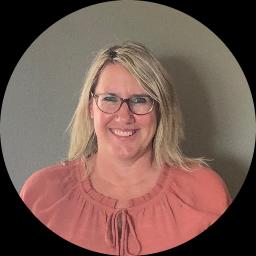
Kathryn Sims
LPC
South Dakota - 8 yrs exp






What Trauma-Focused Therapy Is
Trauma-Focused Therapy is a set of therapeutic approaches built around understanding how distressing events affect emotions, thinking, relationships, and behavior. Therapists who practice this work start from the principle that healing often requires both safety-building and deliberate work on memories and reactions that continue to cause difficulty. The goal is to help you develop skills to manage symptoms, make sense of what happened, and regain a greater sense of control and wellbeing in daily life.
Different clinicians may emphasize different components - some focus on teaching coping skills and stabilization first, others prioritize carefully paced processing of traumatic memories, and some integrate body-centered techniques to address how trauma shows up physically. The common thread is an emphasis on tailoring treatment to your needs and pacing the work to match your readiness and resilience.
How Trauma-Focused Therapy Is Used by Therapists in South Dakota
Therapists across South Dakota bring Trauma-Focused Therapy into diverse settings, from urban clinics to community mental health centers and private practices. In larger cities like Sioux Falls and Rapid City, you may find clinicians with specialized training and access to multidisciplinary teams. In smaller communities and towns, therapists often adapt trauma approaches to meet local needs, combining evidence-based techniques with a strong emphasis on practical supports and community connection.
You will also commonly find that clinicians in the state offer a mix of in-person and online appointments. Online therapy can be useful if you live in a rural area or have scheduling constraints. Whatever the setting, therapists typically start with an assessment of your current symptoms and safety, then work with you to build a treatment plan that reflects your priorities, whether that is reducing anxiety, improving sleep, managing flashbacks, or repairing relationships.
Issues Trauma-Focused Therapy Is Commonly Used For
Trauma-Focused Therapy is applied to a wide range of experiences that leave lasting emotional impact. Many people seek this type of therapy after experiencing accidents, physical assault, childhood abuse, natural disasters, community violence, or losses that were traumatic. It is also used when repeated stressors over time lead to complex trauma responses that affect mood, trust, and daily functioning. Therapists use trauma-focused work to address symptoms such as intrusive memories, avoidance, heightened startle responses, difficulties with emotion regulation, and struggles in personal relationships.
Because trauma can affect people differently, clinicians consider both the event and its ongoing effects before designing a course of therapy. This means that a plan that helps one person may look different from a plan that helps someone else - your therapist should explain the rationale for the methods they propose and how those methods match your goals.
What a Typical Trauma-Focused Therapy Session Looks Like Online
If you choose online sessions, a typical hour may begin with a brief check-in about how you have been since your last appointment. Your therapist will ask about any immediate concerns and may guide you through grounding or breathing exercises to help you feel settled. The middle portion of the session often focuses on skill-building, exposure work, narrative processing, or cognitive techniques, depending on where you are in treatment.
Therapists pay attention to pacing in online sessions. If you are processing distressing memories, the clinician will typically move at a speed that keeps you within a manageable range of emotion. Sessions often end with time for reflection and practical strategies to use between meetings, such as coping skills or short practice exercises. Many therapists also discuss logistics like scheduling, safety planning, and how to reach help if you need it between sessions.
Who Is a Good Candidate for Trauma-Focused Therapy
You may be a good candidate if you find that past experiences continue to interfere with work, relationships, sleep, mood, or daily routines. People who feel overwhelmed by memories, avoid reminders of what happened, or notice strong emotional or physical reactions in certain situations often benefit from a trauma-focused approach. The work is appropriate for adults, adolescents, and children when clinicians adjust methods to developmental needs.
Readiness for trauma-focused work can vary. Some people need time to build coping skills and stability before moving into deep memory processing. If you have ongoing safety concerns or active substance use that affects your ability to engage in therapy, your therapist will likely shift the focus to stabilization and support while coordinating more intensive interventions as needed. Discussing your substance use, current stressors, supports, and any health conditions with a clinician helps determine the best path forward.
How to Find the Right Trauma-Focused Therapist in South Dakota
When you look for a therapist, start by considering the training and experience that matter most to you. Ask whether a prospective clinician has specific training in trauma-focused methods and how long they have worked with people who have experiences similar to yours. In larger centers such as Sioux Falls, you may find clinicians who specialize in particular age groups or trauma types. In Rapid City and Aberdeen, you may find practitioners who combine trauma work with family therapy, Indigenous healing practices, or community-based supports.
Practical factors are important too. Consider whether the therapist accepts your insurance, offers a sliding fee option, or provides evening appointments if you work during the day. If you prefer online sessions, confirm that the clinician has experience delivering trauma-focused care remotely and ask about how they manage crisis situations between sessions. Think about fit - your comfort with a therapist's communication style, cultural background, and therapeutic approach often predicts how helpful the work will feel.
What to Ask During a First Call or Consultation
In an initial conversation, you can ask about the clinician's approach to trauma, what a typical treatment plan looks like, and how they monitor progress. You might request examples of coping strategies they teach and how they decide when to move from stabilization to processing. If you have specific needs - such as working with teens, addressing military-related trauma, or integrating faith perspectives - bring these up to see whether the therapist has relevant experience. Many clinicians offer a brief consultation so you can assess whether you feel comfortable working with them.
Practical Considerations for South Dakota Residents
Where you live in the state can influence the logistics of therapy. If you are near Sioux Falls, you may have more clinic options and access to specialists. In Rapid City, you might find therapists who collaborate closely with medical providers and community resources. In more rural areas or towns like Aberdeen, online options may expand your choices and reduce travel time. Local community mental health centers and university training clinics can be helpful resources if you are seeking lower-cost care or specialized programming.
Finally, give yourself permission to try a few therapists if the first fit is not right. Finding a therapist who listens, explains their methods clearly, and makes you feel respected often matters more than a specific label on a treatment approach. Trauma-Focused Therapy can be a path to meaningful change, and with the right clinician in South Dakota you can find a plan that aligns with your needs, pace, and life circumstances.