Find a Queer Friendly Therapist in South Dakota
This page highlights therapists and counselors who identify as queer friendly and provide affirming care across South Dakota. Browse the listings below to compare clinicians in Sioux Falls, Rapid City, Aberdeen, and statewide online options.
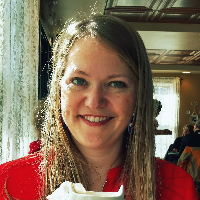
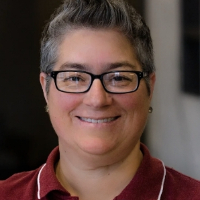
Jaeron-Rae Dukes
LPC
South Dakota - 3 yrs exp







How queer friendly therapy works for South Dakota residents
Queer friendly therapy means clinicians center LGBTQ+ identities, experiences, and needs as part of treatment. In South Dakota that can take many forms - from affirming individual talk therapy to couples work, family support, and community-based referrals. A queer friendly therapist aims to create a comfortable environment where your gender identity, sexual orientation, and cultural background are welcomed and understood rather than treated as problems to be fixed.
When you start with a queer friendly provider, the first sessions often focus on getting to know you and your current concerns. You can expect discussion about how identity has impacted relationships, work, school, and emotional health. Many therapists also help with practical matters that intersect with identity - navigating coming out, accessing gender-affirming care resources, managing stress from social stigma, or coping with family or community dynamics that may be less accepting.
Finding specialized help in South Dakota
Finding a therapist who truly understands queer experiences can feel especially important in a state where rural communities are common and social climates vary by region. Start by searching listings for clinicians who explicitly list LGBTQ+ or queer competent care in their profiles. Look for descriptions that mention experience with gender diversity, sexual orientation, coming-out concerns, or working with transgender and nonbinary clients.
Geography matters in South Dakota. If you live near Sioux Falls, Rapid City, or Aberdeen you will likely find more in-person options and a wider range of specialties such as trauma work, couples therapy, or adolescent services. In smaller towns, options may be more limited, but telehealth has expanded access so you can connect with clinicians across the state. When reviewing profiles, note a therapist's licensure, areas of expertise, and whether they offer flexible scheduling or sliding scale fees to make care more accessible.
What to expect from online therapy for queer friendly care
Online therapy can be a practical choice in South Dakota where distances between towns are large and in-person options may be sparse. When you choose teletherapy, you'll join sessions from your own home or another comfortable environment, which often helps people feel more at ease discussing sensitive topics. Prior to your first virtual appointment, expect to receive information about how sessions will be conducted, what technology to use, and how to handle cancellations or emergencies.
Therapists trained in queer affirmative care will adapt online work to address identity-related issues. That may include helping you build coming-out plans that consider local contexts, exploring community resources where you live, or connecting you to support groups. Teletherapy also opens the possibility of working with a clinician in a larger city like Sioux Falls or Rapid City even if you reside in a rural county, expanding your choice of styles and specializations.
Common signs you might benefit from queer friendly therapy
You may be considering queer friendly therapy if you feel distressed by identity-related stress, isolation, or conflict. Persistent anxiety or low mood tied to being misunderstood at work, school, or within your family suggests a therapeutic space could be helpful. You might also look for an affirming therapist if you are facing challenges around dating and relationships, gender transition planning, or decisions related to disclosure of your identity.
Other reasons people seek queer friendly care include navigating microaggressions or discrimination, coping with internalized stigma, and healing from past trauma related to identity. If you are a young person seeking support with coming-out conversations or an adult trying to find community after relocating to a new South Dakota city, therapy can provide practical strategies and emotional support tailored to your needs.
Tips for choosing the right queer friendly therapist in South Dakota
Start by clarifying what you hope to achieve in therapy and what qualities matter most in a clinician. Some people prioritize experience with gender-affirming care or trans-competent practices, while others want a therapist who has worked with queer couples or who understands faith-based family dynamics in the region. Read therapist profiles carefully for language that signals genuine competence rather than a generic mention of LGBTQ+ care.
When you contact a therapist, consider asking about their experience working with clients who share your identity or concern. Inquire about their approach to topics like coming out, hormone therapy support, or navigating conservative family environments. It is reasonable to ask about logistics as well - whether they offer in-person sessions near Sioux Falls, have evening availability for shift workers, or provide teletherapy if you live outside major towns.
Insurance and payment are practical considerations. Check whether the clinician accepts your insurance, offers a sliding scale, or can provide a receipt for out-of-network reimbursement. If affordability is a concern, look for clinicians who state they provide reduced-fee slots or who can recommend community mental health resources and local support organizations in South Dakota that may offer additional social support.
Local considerations and building a support network
Living in South Dakota means navigating both tight-knit communities and wide open spaces. Some people find strong support in local queer networks and community centers in larger cities, while others prefer the anonymity that online connections provide. If you are near Aberdeen or Rapid City you may find campus or community-based resources focused on youth and college students. In Sioux Falls, there are often more group offerings and multidisciplinary teams that collaborate with medical providers.
Therapy can be one part of a broader support plan. You may want referrals for support groups, legal resources related to name or gender marker changes, or medical providers experienced with gender-affirming care. Ask your therapist about local resources they trust to supplement individual work. Building a network that includes friends, supportive family members, community organizations, and knowledgeable clinicians can make a significant difference in long-term wellbeing.
Making the first contact and evaluating fit
Reaching out to a prospective therapist can feel intimidating, but many clinicians offer a brief introductory phone call or email to answer questions. Use that opportunity to get a sense of how comfortable you feel speaking with them and whether their approach aligns with your goals. Trust your instincts - a good therapeutic fit often depends on feeling heard and respected from the start.
If the first clinician you try is not a good match, remember that finding the right person can take time. You have options across South Dakota, whether you prefer someone nearby in a city like Sioux Falls, a clinician who sees clients in Rapid City, or a teletherapy provider who can meet your scheduling needs. The most important thing is finding a therapist who listens to your experience and helps you work toward the changes you want to see in your life.
Next steps
Use the listings above to compare profiles and reach out to therapists who seem like a fit. Preparing a few questions about experience, approach, and logistics before you contact someone can help you make a confident choice. With the right queer friendly clinician, you can find a thoughtful, informed partner in navigating the challenges and opportunities that come with being LGBTQ+ in South Dakota.