Find a Post-Traumatic Stress Therapist in South Dakota
This page highlights therapists in South Dakota who specialize in post-traumatic stress and trauma-informed care. Explore the clinician profiles below to compare approaches, locations, and contact options across the state.

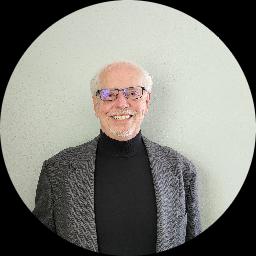
Cory Nelson
LPC
South Dakota - 25 yrs exp

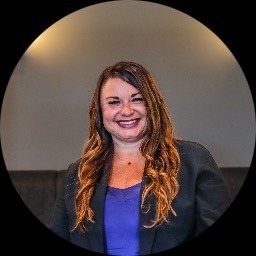
Kathryn Sims
LPC
South Dakota - 8 yrs exp


Jaeron-Rae Dukes
LPC
South Dakota - 3 yrs exp









How post-traumatic stress therapy can help residents of South Dakota
If you are coping with the lingering effects of a traumatic event, therapy can offer structured support to reduce the ways trauma shapes daily life. Therapists who focus on post-traumatic stress use evidence-based approaches designed to help you manage distressing memories, reduce avoidance, improve sleep and concentration, and restore functioning in relationships and work. For many people in South Dakota, treatment also involves adapting approaches to the realities of rural life, seasonal demands, and the particular stresses faced by service members, first responders, farmers, and families in small communities.
Therapeutic work often begins with an assessment of how symptoms are affecting day-to-day activities and what goals you hope to achieve. From there, clinicians typically propose a treatment plan that matches your needs - that plan may include trauma-focused cognitive behavioral strategies, exposure techniques, somatic methods that address body-level stress reactions, or specialized forms of therapy that target traumatic memories. The pace and tools are tailored to your comfort level and life circumstances.
Finding specialized help in South Dakota
When looking for a therapist who focuses on post-traumatic stress, you can start by narrowing searches to clinicians who list trauma, post-traumatic stress, or related specialties on their profiles. In larger centers such as Sioux Falls and Rapid City you may find a broader range of therapists with specialized training and experience. Aberdeen and other regional hubs may also host experienced clinicians, and many providers in the state now offer appointment times that accommodate shift work and agricultural schedules.
Because access varies across regions, consider whether in-person sessions are essential for you or if remote care could expand your options. You can ask prospective therapists about their specific training in trauma-focused methods, their experience working with people who have had similar experiences to yours, and how they incorporate cultural, community, or occupational factors into treatment. Licensing and professional credentials are also relevant - clinicians licensed in South Dakota are subject to state practice standards, and many will list their credentials and areas of focus in their profiles.
What to expect from online therapy for post-traumatic stress
Online therapy can make trauma-focused care more accessible when travel time, weather, or limited local options are barriers. When you choose remote sessions, the first appointments typically involve an intake conversation to review your history, current symptoms, and safety planning. Therapists will discuss technology needs and privacy practices so you know what to expect from each session. Sessions generally follow the same therapeutic structure as in-person work and may include therapeutic conversations, guided exercises, breathing and grounding practices, and homework assignments to reinforce progress between meetings.
Some trauma treatments have been adapted for remote delivery in ways that preserve the therapeutic process while allowing you to remain in your own home or a personal setting. Clinicians will check in about how the format is working for you and may suggest in-person options or referrals if certain techniques are better delivered face-to-face. If you live in a rural area outside Sioux Falls, Rapid City, or Aberdeen, online care can connect you with specialists who have experience with complex trauma or with particular populations, including veterans and first responders.
Common signs that someone in South Dakota might benefit from post-traumatic stress therapy
You may consider seeking a trauma-focused clinician if you notice frequent intrusive memories or nightmares tied to a past event, strong physical reactions when reminded of the experience, or persistent avoidance of people, places, or activities that are linked to the trauma. Difficulty sleeping, heightened startle responses, irritability, or trouble concentrating can also indicate that trauma is affecting daily functioning. Changes in mood such as persistent sadness, feelings of detachment from others, or reliance on substances to manage distress are further signals that professional support could help.
In communities across South Dakota, including smaller towns and larger cities, these symptoms often affect work performance, family relationships, and community engagement. If symptoms are interfering with your ability to care for yourself, maintain relationships, or complete regular tasks, talking with a therapist who specializes in post-traumatic stress can provide options for treatment and practical coping strategies.
Tips for choosing the right therapist for post-traumatic stress in South Dakota
First, prioritize clear communication about training and experience. You can ask prospective therapists about their experience with specific trauma-focused interventions, their comfort working with people from your background, and whether they have experience addressing related issues such as substance use or depression. Many therapists are happy to describe their typical treatment plan and what an initial session will cover.
Second, consider logistical fit. Think about whether you prefer in-person sessions near Sioux Falls, Rapid City, or Aberdeen, or whether telehealth appointments make sense given your schedule or location. Ask about appointment availability, typical session length, cancellation policies, and whether evening or weekend sessions are offered. If affordability is a concern, inquire about accepted insurance plans, sliding-scale fees, or options for shorter-term check-ins while you evaluate progress.
Third, reflect on the therapeutic relationship. You should feel that a clinician listens and responds respectfully to your concerns. It is reasonable to try a few sessions and then reassess whether the approach and the person are a good match. Trust and a sense of being understood are important parts of effective trauma work, and finding a therapist who communicates clearly about goals and next steps can make the process more manageable.
Working with local supports and systems
Treatment for post-traumatic stress often benefits from coordination with other supports in your life. You may choose to involve a primary care provider, community mental health services, or veteran support networks, depending on your needs. Therapists can help connect you to local resources, whether that means linking with peer support in Rapid City, community programs near Aberdeen, or specialized services in Sioux Falls. If you are involved with a school, employer assistance program, or a faith community, your clinician can discuss ways to integrate support while maintaining your comfort and boundaries.
Practical steps to begin
Start by noting what you most want to change or improve, and prepare a few questions about a therapist’s approach, training, and availability. Use the profiles on this site to identify clinicians who list trauma-focused care, then reach out to schedule an initial consultation. During that call or first session, talk about goals, ask how progress is measured, and discuss any concerns about safety planning and crisis support. Setting clear, achievable goals with your clinician can help you track progress and adjust the plan when needed.
Beginning therapy can feel daunting, but it is a step toward regaining control over how past events influence your present. Whether you live in Sioux Falls, Rapid City, Aberdeen, or a smaller community, there are trauma-informed clinicians in South Dakota who can work with your schedule and needs. Exploring profiles, asking questions, and connecting for an initial consultation will help you find the approach and clinician that fit best for your recovery journey.