Find an Addictions Therapist in South Dakota
This page lists Addictions therapists who serve people across South Dakota, including clinicians who focus on substance use and recovery. Browse the listings below to review specialties, treatment approaches, and locations near you.

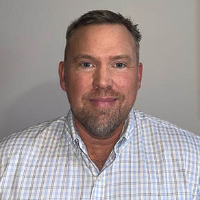
Cory Nelson
LPC
South Dakota - 25 yrs exp


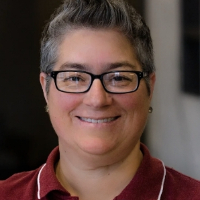
Kathryn Sims
LPC
South Dakota - 8 yrs exp















How addictions therapy typically works for South Dakota residents
If you are considering help for substance use, addictions therapy usually begins with an assessment to understand your history, current use patterns, strengths, and goals. That evaluation can happen in person at a local clinic or via online sessions if a therapist offers telehealth. From there you and the clinician will develop a plan that fits your needs - some people move into weekly therapy, others combine counseling with group programs or medication management provided by a physician. Progress is measured in practical terms, such as reduced use, safer choices, improved relationships, and better coping with cravings and triggers.
In South Dakota, services are available in a range of settings - outpatient clinics, community mental health centers, hospital-affiliated programs, and private practices. If you live in more populated areas like Sioux Falls or Rapid City you are likely to find a wider selection of clinicians and programs near you. In more rural parts of the state, online therapy can often bridge travel barriers and provide continuity of care while connecting you to local supports when in-person services are needed.
Finding specialized help for addictions in South Dakota
When you look for a therapist who focuses on addictions, focus on both training and experience. Many clinicians pursue additional education in substance use interventions, relapse prevention, motivational interviewing, and trauma-informed care. Some will have specific certifications in addiction counseling while others bring experience from psychiatric or social work backgrounds. It is reasonable to ask a prospective therapist about their work with people who use similar substances or have similar challenges to yours, and about any combined approaches they recommend - for example, pairing therapy with community-based groups or medical treatment when appropriate.
Location matters in practical ways. If you prefer regular in-person visits, check options in cities such as Sioux Falls, Rapid City, and Aberdeen where clinics and counseling centers are more numerous. If you live in a smaller town, search for providers who offer flexible scheduling or remote sessions. You can also look for clinicians who coordinate with local health services and support networks so that your care is connected to resources available in your county.
What to expect from online therapy for addictions
Online therapy can be an effective way to engage in addictions counseling when you cannot easily get to an office. You can expect scheduled video or phone sessions that mirror in-person conversations, with the same kinds of therapeutic techniques including cognitive behavioral strategies, motivational enhancement, and relapse planning. Online sessions make it easier to maintain continuity of care if you travel for work or live far from major centers. You should plan for a stable internet connection and a quiet, uninterrupted setting for sessions so you can speak freely and focus on the work.
There are limitations to consider. Some aspects of treatment - such as medically supervised detoxification or certain medication-assisted treatments - require in-person medical oversight. If you need such services, your therapist can help connect you with local physicians or clinics in Sioux Falls, Rapid City, or other regional centers. Crisis management plans are an important part of online care; a good clinician will discuss what to do if you are in immediate danger and will make sure you have contact information for local emergency services and support resources.
Common signs you or someone you know might benefit from addictions therapy
You might consider seeking help if substance use is interfering with daily responsibilities, harming relationships, or leading to risky situations. Repeated attempts to cut down without success, spending increasing time thinking about or using substances, or continuing use despite clear negative consequences are common indicators that therapy could help. Other signs include using substances to cope with strong emotions, experiencing withdrawal symptoms when you stop, or noticing changes in mood, sleep, or appetite that follow patterns of use. Family members often notice behavioral changes before the person using substances does, so reaching out to a therapist for guidance can be an important early step.
Remember that seeking help does not require a specific threshold of severity - you can reach out if you are worried about patterns that are emerging or if past efforts to change have not worked. In South Dakota communities, seeking support early can connect you with resources that reduce risk and help you build sustainable recovery strategies.
Tips for choosing the right addictions therapist in South Dakota
Choosing a therapist is both practical and personal. Start by identifying what matters most to you - methodological approach, experience with a particular substance, availability for evening or weekend appointments, or familiarity with local community resources. You should feel comfortable asking about a therapist's background, how they structure sessions, and what kind of outcomes they aim for with clients. Many therapists offer an initial consultation - often brief - which gives you a sense of fit before committing to ongoing sessions.
Consider logistical factors as well. If you plan to use insurance, check whether a clinician is in-network or whether they provide paperwork to help you seek reimbursement. Ask about fees and whether sliding scale options are available. If you prefer combining therapy with in-person medical care or group programs, look for clinicians who collaborate with treatment centers or medical providers in Sioux Falls, Rapid City, or other nearby cities. Cultural fit is important too - you may want a therapist who understands your community context, values, or background.
Practical questions to ask during a first call
When you contact a therapist, it is useful to ask about their experience with addictions similar to yours, the typical duration and frequency of sessions, and the kinds of therapies they use for relapse prevention and coping skills. You can ask how they handle coordination with medical providers or local programs and whether they have experience supporting family involvement when that is part of your plan. Clear communication about goals and expectations will help you decide whether to move forward.
Supporting recovery in your daily life in South Dakota
Therapy is only one part of recovery. You can strengthen progress by building routines that support well-being - such as sleep, nutrition, and physical activity - and by identifying people and places that reinforce your goals. Many communities in South Dakota offer peer-led groups, faith-based supports, and community health programs that complement counseling. If you live in a more rural area, your therapist can help map out local resources and online supports to keep you connected between sessions.
Recovery is personal and non-linear. As you work with a therapist, expect to refine your plan, try different strategies, and draw on both professional and community supports. Whether you are in Sioux Falls, Aberdeen, Rapid City, or a smaller town, there are clinicians who focus on helping people reduce harm, meet personal goals, and build sustainable routines. Reaching out for an initial conversation is a reasonable first step toward clearer options and a tailored plan for change.