Find a Sex Addiction Therapist in South Carolina
This page connects you with therapists who focus on sex addiction treatment throughout South Carolina, including practitioners who serve Charleston, Columbia, Greenville, and nearby communities. Browse the listings below to review clinician profiles, approaches, and contact options to find a good match for your needs.



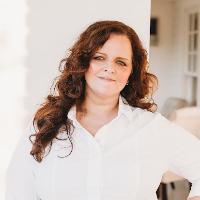
Cynthia Byas
LMFT
South Carolina - 10 yrs exp











How sex addiction therapy typically works for South Carolina residents
When you begin sex addiction therapy in South Carolina, the process usually starts with an initial assessment to understand the patterns that bring you to treatment and the ways those patterns affect your relationships, work, and wellbeing. Therapists gather information about your history, current behaviors, triggers, and goals so they can tailor a plan that fits your situation. Treatment often blends individual sessions with options for couples work or group therapy when appropriate. The pace and structure vary based on your needs - some people benefit from short-term, focused interventions while others engage in longer-term therapy to address underlying issues linked to sexual behavior.
Therapists licensed to practice in South Carolina include licensed professional counselors, clinical social workers, marriage and family therapists, and psychologists. Each of these professionals brings different training and perspectives. You can expect your clinician to explain their approach, estimated length of treatment, and the kinds of strategies they use to help you manage compulsive sexual behaviors and improve coping skills.
Finding specialized help for sex addiction in South Carolina
Finding a therapist with experience in sex addiction means looking for clinicians who list this specialty in their profiles and who describe relevant training or modalities. In metropolitan areas like Charleston, Columbia, and Greenville you can often find therapists who have additional training in sexual behavior concerns, trauma-informed care, and couples counseling. If you live in a more rural part of the state, you may need to expand your search to nearby cities or consider online sessions to access providers with the right experience.
When evaluating therapists, look for descriptions that mention work with compulsive sexual behavior, impulse control, intimacy issues, or recovery-oriented programs. Some clinicians focus on relapse prevention, values-based living, and rebuilding trust with partners. Others emphasize addressing co-occurring issues such as anxiety, depression, or past trauma that can intersect with sexual behavior. You may also choose a clinician who offers couples therapy if your main goal is to repair relationship harm alongside your personal recovery.
What to expect from online therapy for sex addiction
Online therapy has become a widely used option in South Carolina and can make it easier to access specialized care when local options are limited. If you choose remote sessions, you should expect an initial intake over video or phone to review goals, assess suitability for telehealth, and discuss logistics like session length and fees. Many people find online sessions more flexible for balancing work and family commitments, and remote care can connect you with clinicians in Charleston, Columbia, or Greenville even if you live elsewhere in the state.
Before starting online therapy, consider where you will join sessions so you can speak in a calm, uninterrupted setting. Therapists will discuss personal nature of sessions limits, emergency procedures, and how they handle crises. Technology considerations include a stable internet connection, a device with a camera and microphone, and familiarity with the platform the clinician uses. If you prefer in-person care, many therapists offer a mix of office and remote appointments to fit changing needs.
Common signs that someone in South Carolina might benefit from sex addiction therapy
You might consider seeking help if sexual behavior has started to interfere with daily life, work, relationships, or legal standing. Signs that therapy could be helpful include feeling unable to control sexual urges despite negative consequences, spending excessive time on sexual activities or related behaviors, and experiencing shame, secrecy, or repeated attempts to stop without success. You may also notice relationship strain, loss of interest in nonsexual activities, financial problems related to sexual behavior, or escalating risk-taking.
If you are a partner of someone whose sexual behavior is causing harm, therapy can provide a space to explore boundaries, rebuild trust, and decide on next steps for safety and healing. Couples therapy and individual work often complement one another, especially when both partners want to address how behavior has affected the relationship. In communities across South Carolina, including urban centers and smaller towns, clinicians can help you clarify goals, create relapse prevention strategies, and develop healthier patterns over time.
Tips for choosing the right therapist for this specialty in South Carolina
Start by clarifying what you want from therapy - symptom reduction, relationship repair, addressing co-occurring emotional issues, or a combination. Use those priorities to narrow your search. When you review therapist profiles, pay attention to stated areas of specialization, therapeutic approaches, and experience with sexual behavior concerns. It is reasonable to ask about a clinician's training in this area, how they define recovery, and what outcomes they typically see with clients.
Consider practical factors such as whether the clinician offers evening or weekend appointments, accepts your insurance or provides a sliding scale, and whether they work with individuals, couples, or groups. If location matters, look for providers in Charleston, Columbia, Greenville, or other nearby hubs; if you live farther away, ask about online availability. Many therapists offer brief phone consultations so you can get a sense of rapport before committing to sessions. Trust your instincts - feeling understood and respected by a clinician is an important part of effective work.
Another consideration is cultural and community fit. You may prefer a therapist who understands regional factors like faith communities, family dynamics common in Southern culture, or LGBTQ-competent care if that is relevant to you. Some clinicians have experience working with faith-oriented clients and can integrate spiritual beliefs into treatment when appropriate. Asking about that background during an initial conversation can help you find someone whose approach aligns with your values.
Practical next steps and local considerations
After you identify a few potential therapists, reach out to schedule an initial consultation. Use that time to ask about the therapist's experience with sexual behavior concerns, their typical session structure, and how they approach personal nature of sessions and record-keeping. If cost is a concern, ask about insurance billing, out-of-network reimbursement, and any sliding scale options. You might also inquire about group programs or support networks available in or near Charleston, Columbia, or Greenville, which can complement individual therapy.
If immediate safety is a concern - for example, if there is an imminent risk of harm to yourself or others - contact local emergency services or a crisis line right away. For ongoing needs that are not emergencies, choosing a therapist is often an iterative process - many people try a few clinicians before finding the right fit. Being open about your goals and responsive to feedback will help you get the most out of treatment.
Finding the right fit in South Carolina
Recovery and management of problematic sexual behavior is a personal journey that looks different for everyone. In South Carolina you have access to clinicians practicing in a range of settings - private offices, community mental health centers, and telehealth services - and you can select a provider based on clinical approach, logistics, and rapport. Whether you live near the coast, in an urban center like Charleston or Columbia, or in the upstate near Greenville, taking the step to reach out and compare options is the most important action you can take toward change.
Use the therapist listings on this page to learn more about clinicians who specialize in sex addiction and related concerns. When you reach out, remember that the first conversation is about gathering information and deciding whether to move forward. With the right support, you can develop strategies to manage behavior, repair relationships, and pursue the values and goals that matter most to you.