Find a Gambling Therapist in South Carolina
This page highlights therapists who specialize in gambling-related concerns across South Carolina. You can browse local and online listings below to find professionals serving Charleston, Columbia, Greenville, Myrtle Beach, and surrounding communities.




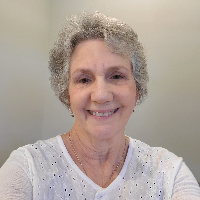
Cynthia Byas
LMFT
South Carolina - 10 yrs exp














How gambling therapy works for South Carolina residents
When you reach out for help with gambling, the process usually begins with an assessment that explores how gambling affects your life - finances, relationships, work, and emotional wellbeing. A clinician will ask about patterns of behavior, triggers, and previous attempts to cut back so you can build a clear picture together. From there you and the therapist set goals that may include reducing time spent gambling, changing financial habits, repairing relationships, or learning coping strategies to manage urges.
Therapy for gambling is often structured and goal-oriented. Many therapists blend talk therapy with practical tools - for example, techniques to manage impulses, planning to avoid high-risk situations, and strategies to address underlying emotions that contribute to gambling. You may also work on communication skills and ways to rebuild trust with family members if relationships have been strained. Progress is measured by how your day-to-day life improves and by steps you take toward the goals you set with your clinician.
Finding specialized help for gambling in South Carolina
Locating a therapist who understands gambling-related issues can make a big difference. In South Carolina you will find clinicians with a variety of credentials including licensed professional counselors, social workers, and psychologists who list gambling as an area of focus. Many professionals who work in major cities like Charleston, Columbia, Greenville, and coastal communities such as Myrtle Beach have experience addressing the specific pressures that can influence gambling behavior, including tourism-related opportunities and financial stressors.
When you search for help, look for someone who openly describes experience with gambling-related concerns and asks about both behavioral patterns and financial impacts. If you live outside urban centers, consider providers who offer online sessions so you can access clinicians with the right specialization even if they are based in another city. You can also ask potential therapists about their experience working with partners and families, or coordinating care with financial counselors or legal advisors when that collaboration might be helpful.
What to expect from online therapy for gambling
Online therapy is an increasingly common way to get support for gambling concerns in South Carolina. If you choose online sessions, you can expect an assessment much like an in-person intake, followed by regular scheduled appointments using video or, in some cases, phone calls. Many people appreciate the flexibility of remote care - you might save travel time, fit appointments around work or family commitments, and access specialists who are not located in your immediate area.
To get the most out of online therapy, prepare a quiet, comfortable environment where you will not be interrupted. Your therapist will explain how they handle records, limits of privacy, and what to do in a crisis. Most therapists will offer a plan that includes skills training, relapse prevention strategies, and measurable steps to reduce gambling-related harms. You may be offered worksheets or exercises to practice between sessions, and some therapists incorporate technology-based tools to help you monitor urges and progress.
Common signs you or someone you know might benefit from gambling therapy
There are several patterns that often indicate therapy could be helpful. You may notice that gambling takes up a large portion of your thoughts and time, or that you are making repeated attempts to cut back without success. Financial strain that results from gambling - such as mounting debt, borrowing from friends or family, or difficulty paying bills - is a common and serious indicator that outside help may be needed.
Other signs include secrecy about gambling activities, lying about the extent of play, or strained relationships due to behavior related to gambling. Mood changes such as increased anxiety, irritability, or depression after gambling episodes can also signal the need for support. If work performance or school responsibilities are being affected, or if gambling becomes a way to cope with stress rather than a form of entertainment, these are important reasons to seek professional guidance.
Tips for choosing the right gambling therapist in South Carolina
Choosing a therapist is a personal decision and finding the right fit matters. Start by looking for clinicians who list gambling-related work as part of their specialty and who have experience with approaches that resonate with you. It is reasonable to ask about a therapist's training, how they structure treatment for gambling-related concerns, and what outcomes previous clients have achieved without requesting identifiable information about other clients.
Consider practical factors as well. Ask whether the therapist offers in-person sessions in places like Charleston, Columbia, or Greenville, whether they provide online appointments, and what their availability looks like. Inquire about treatment length - some people benefit from short-term, focused work while others prefer a longer therapeutic relationship. If cost is a concern, ask about sliding scale fees, insurance acceptance, or community resources available in South Carolina that might complement therapy.
Trust your sense of rapport. The working relationship you develop with a therapist is often the strongest predictor of progress. If you do not feel heard or understood after a few sessions it is okay to discuss those concerns or to try a different clinician. Good therapists will welcome your questions and collaborate with you to adjust the plan based on what works.
Support options and next steps
Therapy is one piece of a broader support strategy. Some people find benefit in combining individual therapy with group work or family sessions. Group settings can offer shared experience and peer support, while family sessions can help repair communication and establish shared financial boundaries. If gambling has caused significant financial harm, you may also be referred to financial counseling or legal guidance to address immediate practical needs.
Where you live in South Carolina can shape the resources available to you. Coastal areas and larger cities often have more in-person services, while rural regions may rely more heavily on online care. Either way, you can take a step today by browsing listings, reading therapist profiles for areas of focus, and reaching out to ask questions about approach and availability. Asking for help is a pragmatic decision - the sooner you connect with a professional, the sooner you can begin setting goals and developing strategies that fit your life.
Moving forward
If you are ready to explore options, use the listings on this page to review therapists who specialize in gambling-related concerns in South Carolina. Reach out to a few clinicians to compare approaches and find someone who matches your needs and schedule. Whether you prefer in-person care in Charleston, Columbia, or Greenville, or the convenience of online sessions, there are ways to get support that respect your circumstances and goals. Taking the first step - contacting a therapist and scheduling an initial appointment - can open a path toward regaining control and improving your daily life.