Find a Disaster Relief Therapy Therapist in South Carolina
This page lists therapists in South Carolina who focus on disaster relief therapy, serving communities from Charleston to Columbia and beyond. Browse the listings below to compare specialties, approaches, and contact options to find support that fits your needs.















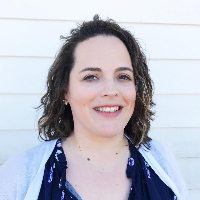
Melissa Wood
LPC
South Carolina - 14 yrs exp
How disaster relief therapy works for South Carolina residents
If you have been affected by a storm, flood, fire, or other large-scale event in South Carolina, disaster relief therapy can help you process what happened and find practical ways to cope. Therapists who focus on disaster-related care use trauma-informed approaches that prioritize safety, stabilization, and gradual rebuilding of day-to-day functioning. Early support often emphasizes emotional grounding and practical coping strategies - things you can use right away to manage overwhelming feelings, sleep disruption, or difficulty concentrating. Over time, therapy may shift toward working through distressing memories, restoring relationships, and planning for ongoing recovery.
Because South Carolina experiences a range of events that can cause community-wide disruption, many clinicians on this page have experience working with individuals, families, and groups after hurricanes, flooding, structural damage, or displacement. That background can be especially helpful when you need someone who understands the local context - from recovery resources in Charleston to community shelters outside Columbia and reentry needs near Greenville.
Finding specialized disaster relief therapy help in South Carolina
When searching for a therapist who specializes in disaster relief, you can begin by narrowing results to professionals who list trauma-informed care, crisis intervention, or disaster response experience. Look for clinicians who describe working with disaster survivors, who mention community outreach, or who note collaboration with relief agencies and local nonprofits. It can also be helpful to check whether a clinician has experience with the specific type of event you faced - for example, repeated flooding in coastal areas or evacuation stress related to severe weather.
Access considerations are important in a state with both urban centers and rural counties. If you live near Charleston, you might find options that include in-person clinics with evening appointments. In Columbia and Greenville there are multiple outpatient practices and community mental health programs that offer follow-up care after initial crisis intervention. If you are in a more rural area or along the Grand Strand near Myrtle Beach, telehealth options can widen your choices and connect you with clinicians who have disaster recovery experience even if they are based in another part of the state.
What to expect from online disaster relief therapy
Online therapy is commonly offered alongside in-person sessions and can be especially useful when roads, transportation, or living situations are unstable. When you choose teletherapy, you can expect regular scheduled sessions using video or phone, as well as the possibility of brief check-ins by message between appointments if the clinician offers that option. Many therapists adapt their techniques for remote work - for instance, guiding you through grounding exercises over video, helping you build a plan for managing flashbacks, or supporting problem-solving around housing and insurance hurdles.
Before your first online session, your therapist will usually explain how they handle scheduling, documentation, and outreach in case of emergencies. You should ask how they coordinate with local resources in South Carolina if you need immediate in-person assistance, and whether they maintain flexible hours to accommodate people dealing with recovery demands. Technology can make care more accessible, but it is reasonable to ask about how the clinician protects your communications and what to do if you lose internet access during an appointment.
Signs you or someone you care about might benefit from disaster relief therapy
People respond to disasters in many ways, and you do not have to meet a diagnostic threshold to benefit from professional support. If you notice persistent sleep problems, frequent intrusive memories of the event, intense reactions to reminders, or avoidance of places and people connected to the incident, these are common indicators that focused care could help. You might also find that everyday tasks feel harder to manage - maintaining work, school, or household responsibilities may become more challenging as stress accumulates.
Emotional responses such as prolonged irritability, intense sadness, or feeling overwhelmed by routine decisions can signal a need for extra support. Sometimes physical symptoms - headaches, changes in appetite, or tension - accompany emotional distress after a disaster. If you observe these patterns in yourself, a family member, or a friend, reaching out to a therapist who understands disaster recovery can provide tools for coping and a path toward steadier functioning.
Tips for choosing the right disaster relief therapist in South Carolina
Start by deciding whether you prefer in-person sessions, online appointments, or a combination. If in-person care matters, consider commuting times and whether the clinician sees clients in locations convenient to you - for example near downtown Charleston, central Columbia, or clinics in Greenville. Ask potential therapists about their specific disaster-related experience - how they have supported people after storms, fires, or displacement, and whether they have worked with families, children, or specific cultural communities.
It is also important to talk about practical matters up front. Ask about session length and frequency, fees, and whether they accept your insurance or offer a sliding-scale arrangement. Inquire about their therapeutic approach so you know whether it will match your preferences - some clinicians focus on skills training and stabilization, while others emphasize processing events through narrative or exposure-based methods. You can also ask how the therapist collaborates with community resources in South Carolina - housing services, legal advocates, or faith-based organizations - if those connections would support your recovery.
Working with local resources and community supports
Therapy is often most effective when combined with practical assistance. In South Carolina, disaster response can include local relief organizations, disaster case management, and community health programs that help with housing, recovery planning, and benefits navigation. A therapist who knows the landscape in Charleston, Columbia, Greenville, or coastal areas can point you to those services and coordinate referrals when appropriate. If you are unsure where to begin, a clinician can help you prioritize immediate needs while addressing emotional recovery.
Group-based interventions and community recovery programs are another common option after large events. These settings can provide peer support and normalize reactions while you learn coping strategies alongside others who experienced similar disruptions. If group work appeals to you, ask clinicians whether they facilitate or can recommend local groups or workshops focused on disaster recovery.
When to seek immediate help
If you or someone you know is in immediate danger or at risk of harming themselves or others, contact emergency services or a local crisis line right away. Therapy is not a substitute for urgent medical care. For nonemergency but pressing concerns - such as sudden loss of housing, inability to care for children, or intense panic that interferes with daily life - reach out to a clinician or local support agency for guidance on next steps and available resources in your area.
Next steps and how to use this directory
Use the listings above to compare clinicians by specialty, approach, and location. When you identify potential matches, reach out with specific questions about disaster recovery experience, availability, and logistics. A brief phone call or message can give you a sense of whether a therapist is a good fit. Remember that finding the right clinician sometimes takes time - it is acceptable to try a few consultations until you find someone who meets your needs and makes you feel understood.
Whether you are in a coastal town recovering from flooding or an inland community rebuilding after severe weather, help is available. Taking the first step to connect with a therapist can give you practical tools and emotional support as you navigate recovery in South Carolina.