Find a Chronic Pain Therapist in South Carolina
This page highlights therapists who focus on chronic pain across South Carolina. Review practitioner profiles below to compare approaches, locations, and availability and find a clinician who meets your needs.

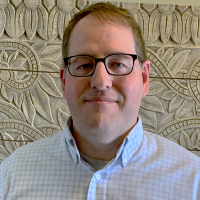







Cynthia Byas
LMFT
South Carolina - 10 yrs exp












How chronic pain therapy works for South Carolina residents
If you live in South Carolina and are exploring therapy for chronic pain, it helps to understand what the process typically involves. Chronic pain therapy focuses on helping you manage symptoms, improve daily functioning, and reduce the ways pain limits your life. Therapists often blend education about how pain works with practical strategies for pacing activity, reducing stress-related amplification of pain, and rebuilding movement and endurance. Many clinicians also integrate approaches that address mood, sleep, and the emotional impact of living with ongoing pain so you can pursue meaningful activities despite physical limitations.
Therapy for chronic pain is rarely a single-method intervention. You may work on thinking patterns that increase pain-related worry, learn relaxation and breathing techniques to reduce muscle tension, and practice graded exposure to activities that you have been avoiding. Over time, the goal is to widen the range of activities you can do without increasing overall distress. In South Carolina, therapists often collaborate with your medical team, which can include primary care providers, pain specialists, and physical therapists, to align treatment goals and support comprehensive care.
Finding specialized help for chronic pain in South Carolina
When you look for a therapist who specializes in chronic pain, start by checking clinician profiles for training in pain-focused modalities such as cognitive behavioral therapy for pain, acceptance and commitment therapy, pain neuroscience education, or biofeedback. Many therapists also list experience working with conditions that commonly cause long-term pain, such as arthritis, neuropathic pain, and post-surgical recovery. If you live near a larger city - for example Charleston, Columbia, or Greenville - you may find clinics and practitioners with specific pain-focused programs and multidisciplinary teams. In smaller towns and rural areas, therapists may offer teletherapy or coordinate closely with local physicians to deliver integrated care.
Referral from your primary care provider can be helpful, especially if coordination with medication management or physical therapy is needed. You can also contact therapists directly to ask about their experience with chronic pain, the types of approaches they use, and whether they work alongside other professionals. Look for descriptions that emphasize both symptom management and functional gains so you can be confident the focus is on helping you live better day to day, not only reducing pain scores.
What to expect from online therapy for chronic pain
Online therapy offers practical benefits for many people managing chronic pain in South Carolina. Virtual sessions reduce the need to travel when mobility is limited and make it easier to fit therapy into a busy day. In an online setting you can expect a much of the same therapeutic work you would get in person - conversation-based interventions, guided exercises, and homework assignments - delivered through video or phone sessions. Therapists frequently share worksheets, movement plans, and educational materials electronically so you can practice between sessions.
Before choosing online care, confirm that the therapist is licensed to provide services to residents of South Carolina and that you understand how appointments, cancellations, and record-keeping are handled. Ask how the clinician tracks progress and how they coordinate with other providers when needed. Online therapy can be especially useful if you live outside urban centers, since it opens access to clinicians who specialize in pain management without requiring long drives into Charleston, Columbia, or Greenville.
Common signs that someone in South Carolina might benefit from chronic pain therapy
It can be hard to decide when to seek therapy, but there are common signs that indicate a person may benefit. If pain is consistently interfering with daily activities such as work, household tasks, or social life, therapy could help you regain function. Persistent sleep problems, increased anxiety or low mood related to pain, and growing avoidance of movement or social contact are other signals that therapy may be useful. You may also notice that medications alone are not providing the quality of relief you need, or that pain is triggering unhelpful thought patterns like catastrophizing - expecting the worst outcome - which in turn increases distress.
Another sign is when pain has led to changes in your identity or sense of purpose. If you find yourself withdrawing from activities you used to enjoy or fearing that doing something will cause permanent harm, a therapist can help you test those beliefs safely, rebuild confidence, and create a plan for gradual reengagement. Therapy is not a promise to eliminate pain completely, but it can change how pain affects your choices and quality of life.
Tips for choosing the right therapist for chronic pain in South Carolina
Choosing the right therapist is a personal decision, and several practical considerations can guide you. First, review a clinician's training and stated approach to ensure it aligns with goals that matter to you - whether that is returning to work, reducing medication reliance, or improving sleep. Ask about their experience with chronic pain and whether they use evidence-informed techniques. If coordination with other medical providers is important, ask how they handle communication and whether they will collaborate with your doctors or physical therapists.
Consider logistics such as location, hours, and whether they offer in-person sessions in your area or online appointments. If you live near Charleston, Columbia, or Greenville you may have more options for in-person programs, while teletherapy can expand choices if you live in a more rural county. Inquire about insurance acceptance, sliding scale fees, or payment plans so you can assess affordability. It is reasonable to ask for a brief phone consultation or an initial assessment session to get a sense of fit before committing to ongoing treatment.
What to ask during an initial contact
When you first contact a therapist, simple questions can clarify whether they are a good match for your needs. Ask about their experience treating chronic pain and which approaches they use most often. Find out how they measure progress and what typical goals look like in the first few months of work together. You can also ask how they integrate behavioral strategies with medical recommendations and whether they have experience working with specific conditions you are facing. Clarifying practical matters such as session length, frequency, cancellation policy, and whether they offer written plans or exercises between sessions will help you make an informed choice.
Living with chronic pain in South Carolina - practical considerations
Managing chronic pain also means planning for daily life. You can work with a therapist to build routines that support sleep, incorporate gentle movement, and prioritize activities that matter most. If transportation or mobility is a challenge, explore therapists who provide home-based support or teletherapy. Community resources, support groups, and local clinics in cities like Charleston and Columbia may offer complementary services such as occupational therapy or pain education workshops. Keep in mind that progress is often gradual and requires consistent practice of skills learned in therapy.
Next steps and finding help now
If you are ready to explore chronic pain therapy, start by reviewing the profiles on this page and contacting clinicians who match your needs. A short initial conversation can tell you whether a therapist’s approach and availability align with your goals. Therapy can be a valuable component of a broader plan to improve function and quality of life, and finding the right clinician in South Carolina - whether in a nearby city or online - is a practical step toward better daily management of pain.
When you are ready, browse the listings below to compare backgrounds, approaches, and appointment options. Reaching out to a therapist to ask a few questions can help you take the next step with clarity and confidence.