Find an Asperger Syndrome Therapist in South Carolina
This page presents therapists in South Carolina who specialize in Asperger Syndrome and related social-communication needs. Browse the listings below to compare specialties, approaches, and locations across the state.
Use the filters to find clinicians offering in-person and online sessions and to read practitioner profiles before reaching out.
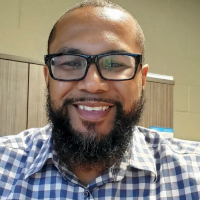



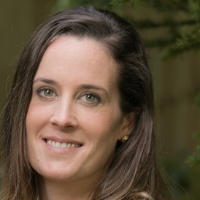
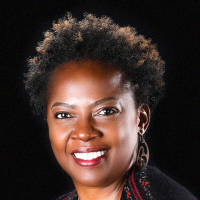
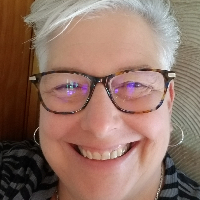
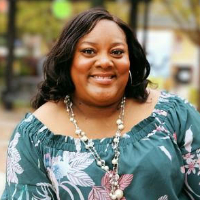

Mary Dellinger
LPC
South Carolina - 10 yrs exp













How Asperger Syndrome Therapy Works for South Carolina Residents
Therapy for Asperger Syndrome is typically tailored to an individual's strengths, challenges, and life stage. In South Carolina you can expect clinicians to begin with an assessment of communication style, social interaction patterns, sensory experiences, and daily living skills. From there, a treatment plan is created with clear goals that may include improving practical social skills, managing anxiety around change, strengthening workplace communication, or building routines that support independence.
Approaches are often multidisciplinary. Counseling or psychotherapy helps with emotional coping and perspective-taking. Social skills training focuses on reading nonverbal cues, initiating conversations, and navigating friendships. Occupational therapy may address sensory processing and fine motor skills that affect daily tasks. When multiple providers are involved, therapists in South Carolina commonly coordinate with families, schools, and other professionals to create consistent strategies across settings.
Finding Specialized Help in South Carolina
Locating a therapist who understands the autism spectrum, including Asperger-style profiles, means looking beyond generic listings. Credentials to consider include licenses such as Licensed Professional Counselor, Licensed Clinical Social Worker, or psychologist credentials. Experience working specifically with neurodiverse clients and ongoing training in autism-informed practices are important indicators of specialization. You can use directory filters to find clinicians with these qualifications and to see which age groups they serve.
Geographic considerations matter in a state with both urban centers and rural areas. If you live near Charleston, Columbia, Greenville, or Myrtle Beach you may have access to clinics and providers who offer in-person services and community groups. In more rural parts of the state, online sessions can expand your options. It is also helpful to ask therapists about their experience collaborating with schools, vocational programs, and community resources in South Carolina so that supports are coordinated.
What to Expect from Online Therapy for Asperger Syndrome
Online therapy can be a practical option whether you live in a coastal city or a small town. Video sessions allow you to meet with specialists who may not be available locally and can make it easier to include family members or support persons in sessions. Expect clinicians to adapt their methods for a virtual format by using visual aids, structured agendas, and interactive activities suited to a screen-based environment. Some therapists will send digital worksheets or use shared screens to practice social scenarios.
Technology requirements are generally straightforward - a reliable internet connection and a device with a camera and microphone. Therapists often recommend a quiet, comfortable environment for sessions so you can focus without interruptions. Be aware that some interventions, such as certain kinds of hands-on occupational therapy, may be most effective in person, so your clinician might suggest a blended approach that alternates virtual and face-to-face visits when possible.
Common Signs Someone in South Carolina Might Benefit from Asperger Syndrome Therapy
You might consider seeking an evaluation or beginning therapy if social situations consistently feel confusing or exhausting, if intense interests interfere with daily responsibilities, or if sensory sensitivities make routine activities challenging. Difficulty interpreting social cues, repeating patterns of speech or behavior, trouble with transitions, or chronic anxiety related to social performance are other signs that targeted support could help. For adults, struggles with workplace communication, maintaining relationships, or managing independent living tasks are common reasons to reach out for specialized care.
Children and teens often show signs at school through friendship difficulties, misunderstanding peer dynamics, or challenges following unstructured classroom expectations. If you notice these patterns in a child or adolescent, talking with school staff about evaluation and supports, and seeking a therapist experienced with developmental differences, can be useful first steps.
Tips for Choosing the Right Therapist in South Carolina
Start by identifying whether you need a clinician experienced with children, adolescents, or adults, since approaches can differ by age. When you contact a therapist, ask about specific experience with Asperger-style presentations and which methods they commonly use. It is reasonable to inquire how they measure progress and which goals they prioritize early in treatment. You should also ask how they work with families, schools, or employers when coordination is needed.
Consider logistics such as location, availability, insurance acceptance, and whether they offer sliding scale or payment options. If you live near Charleston, Columbia, Greenville, or Myrtle Beach you may find practitioners who also participate in local support groups or community workshops, which can be valuable supplements to one-on-one therapy. Many therapists provide an initial consultation so you can get a sense of fit before committing to ongoing sessions - use that meeting to evaluate whether their communication style and therapeutic priorities align with your needs.
Questions to Ask During a Consultation
During an introductory call, ask about the therapist's training with autism spectrum conditions, how they tailor interventions, and what a typical session looks like. Inquire about goals-setting, how progress is reviewed, and what homework or practice you might be expected to do between sessions. If co-occurring concerns such as anxiety, depression, or ADHD are present, discuss how the clinician integrates those needs into a comprehensive plan. A transparent conversation about expectations and methods will help you decide if a particular clinician is a good match.
Working with Schools and Community Resources
Therapists in South Carolina often work alongside educators and support staff to implement strategies consistently. If you are navigating school planning, such as accommodations or individualized education plans, therapists can provide assessments, documentation, or consultation that informs those discussions. Community resources in larger cities like Charleston and Columbia may include social skills groups, vocational training programs, and recreational opportunities designed for neurodiverse individuals, which can complement therapy goals.
Advocacy and local support networks can also be a source of practical guidance. Connecting with parent groups, adult peer networks, or disability services at colleges and workplaces can help you build an ecosystem of supports that aligns with therapy goals and daily life demands.
Next Steps
If you are ready to explore options, use the listings on this page to read profiles, check credentials, and reach out for consultations. Whether you prefer in-person care near Charleston, Columbia, Greenville, or the convenience of online sessions, finding a therapist who understands your experience and offers practical strategies can be an important step toward clearer communication, greater confidence, and improved daily functioning. Take your time to compare approaches, ask questions, and choose a clinician who feels like a good fit for you or your family.