Find a Young Adult Issues Therapist in Pennsylvania
This page highlights therapists across Pennsylvania who specialize in young adult issues, including life transitions, identity, and relationship challenges. Use the listings below to compare specialties, approaches, and locations so you can find a clinician who fits your needs. Browse profiles and reach out to schedule an introductory visit.




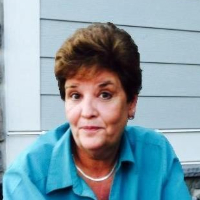


Terri Bassi-Cook
LPC
Pennsylvania - 36 yrs exp
















How young adult issues therapy works for Pennsylvania residents
Therapy for young adult issues is designed to address the unique stresses that come with the period between adolescence and established adulthood. In Pennsylvania, therapists trained in this specialty work with people navigating college or career transitions, emerging independence, shifting family dynamics, and questions about identity and purpose. You can expect sessions to focus on practical skills as well as emotional processing - therapists often blend talk therapy with tools for decision-making, stress management, and relationship building.
If you live in a city like Philadelphia, Pittsburgh, or Allentown you may find clinicians who also bring experience working with large student populations, early career professionals, and diverse communities. Therapists licensed in Pennsylvania follow state practice standards, and many offer both in-person appointments and telehealth visits so you can choose what fits your schedule and comfort level.
Finding specialized help for young adult issues in Pennsylvania
When you begin searching for a therapist, think about the kinds of life areas where you want support. Some therapists emphasize transitions - such as adjusting to college life, moving out of your family home, or entering the workforce - while others focus on relationships, identity exploration, or vocational and academic concerns. Using the directory filters to narrow by specialization, therapeutic approach, or city can help you find clinicians whose training aligns with your needs.
Consider where you want to meet with a therapist. If you prefer face-to-face therapy, look for providers in neighborhoods near Philadelphia, Pittsburgh, Harrisburg, or Erie. If you need more flexibility, many Pennsylvania clinicians provide online sessions that allow you to connect from home or a quiet place between classes or shifts. You may also find community mental health centers and university counseling services that offer low-cost options if affordability is a concern.
What to expect from online therapy for young adult issues
Online therapy has become a common option across Pennsylvania and can be especially useful if you are balancing school, work, and social commitments. When you choose telehealth, sessions are typically scheduled for the same length as in-person visits, and you can use video, phone, or messaging formats depending on the clinician's offerings. Many therapists will discuss technology preferences ahead of the first session and provide guidance on how to prepare so you can get the most from remote appointments.
When you use online therapy, privacy and comfort are important considerations. Find a quiet, comfortable environment where you can speak freely, and ask the therapist about how they handle records, messaging, and emergency contacts. Telehealth can broaden your options, allowing you to work with a specialist who may be based in a different Pennsylvania city than your own. Keep in mind that state licensing rules typically apply, so therapists who practice across state lines should be licensed to work with Pennsylvania residents.
Common signs that you might benefit from young adult issues therapy
You might consider therapy if you are feeling stuck as you make major life decisions, if everyday tasks feel overwhelming, or if relationships with friends and family are becoming strained. If you are frequently stressed about school or work, having difficulty sleeping, experiencing persistent low mood, or finding it hard to concentrate, therapy can provide a space to sort through those challenges and identify next steps. You may also reach out if you are exploring identity or sexuality, coping with grief or loss, or managing substance use and want support to make healthier choices.
Therapy is not only for moments of crisis. Many young adults use therapy to clarify career goals, build communication skills, and strengthen resilience. If you live in an area such as Allentown or the suburbs around Harrisburg, you may find therapists who specialize in the particular stresses of commuting life and regional job markets. In larger urban centers like Philadelphia and Pittsburgh there are often clinicians with experience supporting clients from varied cultural and educational backgrounds.
Tips for choosing the right therapist for young adult issues in Pennsylvania
Start by identifying the outcomes you want from therapy. Do you want practical coping skills, help with relationship patterns, or guidance on academic and career decisions? Once you have a sense of your goals, look for therapists who list young adult issues or related specialties on their profiles. Reading clinician bios can give you insight into their training, typical clients, and therapeutic approaches - for example, some may emphasize cognitive behavioral strategies while others focus on narrative or relational work.
Consider logistical details that matter to you. Think about whether you prefer short drive times in cities like Philadelphia or Pittsburgh, evening availability, weekend appointments, or online sessions that fit your class schedule. Insurance coverage and fees are also important - many Pennsylvania therapists accept a range of insurance plans, and some offer sliding scale fees or reduced rates through university clinics. If cost is a concern, inquire about community-based programs in your region that provide affordable care.
Trust and fit are central to effective therapy. During an initial call or consultation you can ask about the therapist's experience with young adults, how they approach topics like identity and relationships, and what a typical session looks like. Pay attention to whether the clinician listens and responds in a way that feels respectful and understanding. It is normal to try a few clinicians before you find the one who feels right, and switching is a reasonable step if a particular approach or personality does not match your needs.
Practical considerations for Pennsylvania residents
Licensing and credentials matter when you are choosing a therapist. You can look for credentials such as licensed professional counselor or licensed clinical social worker and verify licensure through Pennsylvania state resources if you wish. If you are a student or young professional, ask about experience working with your age group and about familiarity with college-related stressors and career transitions. In cities like Philadelphia and Pittsburgh there are also specialized programs that focus on LGBTQ+ young adults, multicultural support, and vocational counseling.
When you are in crisis, local emergency services or crisis hotlines can provide immediate assistance. If you are not in crisis but need faster access to care, many therapists offer waitlists or brief consultation sessions to help you get started. Keep a list of questions you want to ask during an intake call so you can compare clinicians on important factors such as approach, availability, and how they measure progress in therapy.
Moving forward
Finding the right therapist for young adult issues in Pennsylvania is a process, and the directory below is designed to help you explore clinicians by city, approach, and experience. Whether you are navigating the first steps out of school, figuring out relationships, or managing work and study stress, there are professionals across the state ready to work with you. Take your time to review profiles, reach out with questions, and schedule an initial session when you are ready to begin.