Find a Trauma and Abuse Therapist in Pennsylvania
This page highlights therapists in Pennsylvania who focus on trauma and abuse treatment, with options across urban and rural communities. Use the listings below to compare approaches, credentials, and availability so you can connect with a clinician who fits your needs.






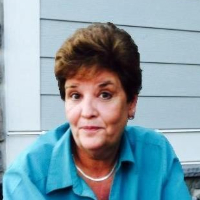



Terri Bassi-Cook
LPC
Pennsylvania - 36 yrs exp













How trauma and abuse therapy works for Pennsylvania residents
When you begin trauma and abuse therapy in Pennsylvania, the process typically starts with an intake conversation to learn about your history, current concerns, and goals. A clinician will ask about what has been most distressing for you, how symptoms affect daily life, and what you hope to change. From there you and your therapist will develop a plan that may include skill building for emotional regulation, grounding techniques to manage overwhelming reactions, and approaches to help you process painful memories at a pace that feels manageable. Therapy may also focus on rebuilding a sense of safety, restoring trust in relationships, and strengthening coping strategies for stressors that come up outside of sessions.
Stages you can expect
Therapeutic work often moves through phases rather than a single method. Early sessions typically emphasize stabilization - helping you feel less overwhelmed and safer in everyday life. Once you and your therapist agree that you have enough coping resources, you may shift toward trauma-focused interventions to address memory, meaning, and behavior patterns connected to the abuse. Later work often centers on integration - applying new skills, making sense of the past in ways that support your values, and planning for ongoing resilience. Each person progresses differently, so your therapist will tailor timing and techniques to your needs.
Finding specialized help for trauma and abuse in Pennsylvania
In Pennsylvania you can find trauma-informed clinicians in a variety of settings - private practices, community mental health centers, university training clinics, and nonprofit organizations. When searching, look for clinicians with training or certifications in trauma-focused methods such as trauma-focused cognitive behavioral approaches, EMDR, somatic trauma work, or attachment-informed therapies. Licensure titles you may encounter include licensed professional counselors, licensed clinical social workers, and psychologists. A therapist’s background can give you a sense of whether they have experience addressing the types of trauma or abuse you experienced.
Local resources and geographic considerations
Your location in the state can influence the range of options you find. In Philadelphia, there are large hospital systems and specialty clinics that tend to offer a broad range of trauma services and multidisciplinary teams. Pittsburgh has university-affiliated clinics and community providers with expertise in complex trauma. In Allentown and other mid-sized cities, community mental health centers and independent clinicians often provide culturally informed services and sliding scale options. If you live in a more rural area, you may find fewer in-person specialists nearby, but many clinicians offer remote sessions that make specialized care more accessible.
What to expect from online therapy for trauma and abuse
Online therapy can expand your access to clinicians with specific trauma training even if you do not live near a major city. You can arrange sessions from a quiet room at home, or another private setting that works for you, and meet with a therapist licensed to practice in Pennsylvania. Many therapists offer video sessions and some also offer phone appointments. When you choose online therapy, discuss with your clinician how to handle emotional intensity during a session, what to do if connectivity fails, and how to create a safety plan together. You should also confirm technical requirements ahead of your first session so time is focused on your needs rather than troubleshooting.
Benefits and practical notes
Online therapy reduces travel time and makes it easier to fit sessions into a busy schedule. It can also allow you to see a specialist who is located in a different Pennsylvania city - for example, a clinician in Philadelphia may be available to work with you even if you live near Erie. If you rely on insurance, verify with your insurer whether telehealth visits are covered and whether the therapist accepts your plan. If you prefer in-person work, many therapists now offer hybrid models so you can combine remote and face-to-face sessions.
Common signs that you might benefit from trauma and abuse therapy
You might consider trauma and abuse therapy if you notice that past events continue to affect your day-to-day functioning. This can show up as intrusive memories, recurring nightmares, or moments when certain sounds, smells, or places trigger strong reactions. You might find yourself avoiding people, places, or conversations that remind you of what happened, or you could be dealing with persistent feelings of guilt, shame, or numbness. Changes in sleep, frequent startle reactions, difficulty concentrating, or strained relationships can also indicate the value of trauma-focused work. If you cope with distress by using alcohol, drugs, or other high-risk behaviors, therapy can help you develop safer alternatives and healthier routines.
Tips for choosing the right trauma and abuse therapist in Pennsylvania
Begin by identifying what matters most to you in treatment. Some people prioritize a clinician with a specific trauma certification, while others seek someone who shares or understands their cultural background, language, or life experience. Consider whether you prefer a clinician who emphasizes cognitive approaches, somatic work, narrative processing, or a blend of methods. Look for therapists who describe trauma-informed practices and who are clear about their experience with abuse-related issues. When you contact a potential therapist, ask about their typical approach, how they involve you in treatment planning, and what a typical session looks like. Many clinicians offer short initial consultations so you can assess fit before committing to ongoing appointments.
Practical considerations
Think about logistics such as location, hours, insurance, sliding scale availability, and whether you want in-person, online, or hybrid sessions. If you live near Philadelphia or Pittsburgh, you may have more options for evening or weekend appointments; in smaller communities you might need more flexibility with scheduling. If cost is a concern, ask about fee reductions or referrals to community programs or university clinics where graduate clinicians provide care under supervision. Trust your instincts about interpersonal fit - the relationship you have with your clinician often shapes how effective therapy feels.
When immediate help is needed
If you are in immediate danger or at risk of harming yourself or others, contact local emergency services right away. If you need support between sessions, crisis hotlines and local emergency mental health services in Pennsylvania can connect you with help quickly. When starting therapy, ask your clinician how they handle urgent concerns and what steps you should follow if a crisis arises outside regular appointment hours.
Taking the next step
Searching for the right trauma and abuse therapist can feel overwhelming, but taking one small step - reviewing a few profiles and reaching out for an initial conversation - can help you learn what fits. Whether you live in a city like Philadelphia, Pittsburgh, or Allentown, or in a smaller town, there are clinicians who focus on trauma-informed care and can work with you to create a path toward greater safety and well-being. Use the listings above to compare credentials and approaches, and choose someone whose experience and style resonate with your needs.