Find a Motivational Interviewing Therapist in Pennsylvania
Motivational Interviewing is a collaborative counseling approach that helps people explore ambivalence and build motivation for meaningful change. Find trained practitioners across Pennsylvania below and browse profiles to connect with a therapist who fits your needs.




Terri Bassi-Cook
LPC
Pennsylvania - 36 yrs exp




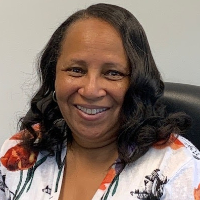


Julie Lynch
LPC
Pennsylvania - 12 yrs exp













What Motivational Interviewing Is
Motivational Interviewing, often called MI, is a person-centered approach to conversation that helps you resolve mixed feelings and move toward change. Rather than telling you what to do, a therapist using MI asks open questions, listens reflectively, and helps you weigh your own reasons for and against change. The goal is to evoke your own motivation and to support confidence in your ability to take steps forward. MI is grounded in collaboration - it respects your autonomy - and it focuses on your values and priorities as the foundation for any change.
The Principles Behind Motivational Interviewing
Several core principles guide MI practice and shape conversations in therapy. A therapist expresses empathy through reflective listening so you feel understood. They help you develop discrepancy between where you are now and the goals or values you hold, which can illuminate reasons to change. When resistance shows up, the clinician rolls with it, avoiding confrontation and instead exploring your perspective. Finally, MI emphasizes supporting self-efficacy - building belief in your capacity to make the changes you want. These principles create a respectful tone that reduces pressure and increases your sense of control.
How Therapists in Pennsylvania Use Motivational Interviewing
Therapists across Pennsylvania incorporate MI in a variety of clinical settings, from community health centers to private practices and online therapy. In larger cities like Philadelphia and Pittsburgh, MI often complements other evidence-informed approaches within outpatient mental health services. In smaller communities and suburban practices near Allentown and Harrisburg, clinicians may use MI techniques to engage clients who are hesitant about treatment. You might also find MI applied in integrated care settings where mental health clinicians collaborate with primary care providers to address lifestyle changes related to chronic health conditions. Because MI is conversational and flexible, therapists can blend it into individual sessions, couples work, and programs focused on behavior change.
Common Issues Motivational Interviewing Is Used For
Motivational Interviewing is useful when you are weighing a decision or feeling unsure about change. It is frequently used to support people considering changes in substance use and to help those who want to reduce drinking, stop using substances, or engage with other recovery supports. MI is also used to increase motivation for health behaviors such as exercise, quitting smoking, improving sleep patterns, or following a medical plan. In mental health care, MI can help people who are ambivalent about starting therapy, trying medication, or making lifestyle adjustments that support symptom management. Additionally, therapists use MI to support parenting changes, employment goals, and school-related motivation among adolescents and young adults.
What a Typical Motivational Interviewing Session Looks Like Online
Online MI sessions are conversational and interactive. You can expect a session to begin with some routine check-in - how you are doing, what prompted you to seek help, and what you hope to explore. The therapist will ask open-ended questions to draw out your thoughts and listen closely, offering reflections that summarize what you say to show understanding and to help you hear your own reasons for change more clearly. The clinician may ask about past attempts, perceived barriers, and how change would impact your life in concrete ways. Instead of prescribing steps, the therapist will help you articulate small, achievable goals and reinforce your own strengths and successes. Sessions typically run from 30 to 60 minutes depending on your needs and the clinician’s style. Many Pennsylvania providers offer virtual appointments that make it easier to connect whether you live in an urban neighborhood of Philadelphia or a more rural area outside Erie.
Who Is a Good Candidate for Motivational Interviewing
If you feel unsure about changing a behavior, or you have conflicting reasons for wanting and not wanting change, MI can be particularly helpful. You do not need to be fully committed to change before starting therapy - in fact, MI is designed for people who are ambivalent. It can also be a productive first step if you are exploring options for addressing substance use or chronic health behaviors. Teenagers, adults, and older adults can all benefit when a collaborative, nonjudgmental conversation will help clarify priorities. People who have tried to change in the past but relapsed or became discouraged often find MI a respectful way to re-evaluate goals and identify strategies that feel more achievable. If you prefer a directive approach where a clinician tells you exactly what to do, MI may feel different at first because it centers on your own motivations and choices.
How to Find the Right Motivational Interviewing Therapist in Pennsylvania
Begin your search by looking for clinicians who list Motivational Interviewing as a skill or approach on their profile. In urban centers like Philadelphia and Pittsburgh you will often find specialized clinics and therapists with extensive experience in MI, while in places such as Allentown and Harrisburg clinicians may blend MI with other therapeutic models. Reading profiles can give you insight into a therapist’s background, areas of focus, and whether they frequently work with issues similar to yours. Many therapists offer an initial consultation - sometimes free or brief - that lets you ask how they use MI, what a typical session looks like, and how they measure progress.
Questions to Ask During an Initial Consultation
When you contact a therapist, consider asking how much of their work uses Motivational Interviewing and how they tailor conversations to each client. You may want to know whether they combine MI with other approaches and how they track goals between sessions. Practical questions about session length, fees, sliding scale options, and whether they accept insurance are also important. If you plan to meet online, ask about the technology they use and any tips for making virtual sessions feel comfortable and focused. By clarifying these details upfront you can find a clinician whose style and logistics match your preferences and schedule.
Making the Most of Motivational Interviewing
To get the most from MI, come to sessions ready to explore both your hopes and hesitations honestly. Reflective listening from your therapist will help you notice patterns in what motivates you, and concrete goal-setting can turn small insights into practical steps. Change rarely follows a straight line and setbacks are often part of the process. MI emphasizes learning from attempts and building self-efficacy - so each conversation is an opportunity to strengthen your confidence. Whether you live near the Schuylkill River in Philadelphia, near the Allegheny in Pittsburgh, or in a suburban area closer to Allentown, MI can be adapted to fit your circumstances and pace.
Next Steps
When you are ready, use the listings above to compare profiles and reach out to a few therapists whose descriptions resonate with you. A brief conversation can help you determine whether their approach feels collaborative and whether they are experienced in helping people with goals like yours. Booking an initial session is a practical step toward clarifying what matters to you and beginning to move in the direction you choose.