Find a Therapist of Color Therapist in Pennsylvania
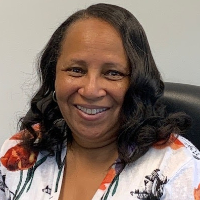
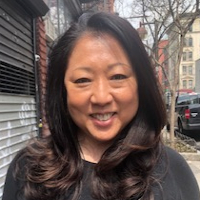
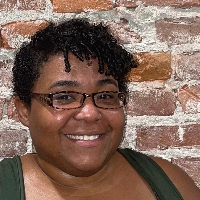
This directory page highlights therapists of color who provide culturally informed counseling and related services for people living in Pennsylvania. Browse the profiles below to review specialties, locations and ways to connect with a clinician near you.





















How therapist of color therapy works for Pennsylvania residents
When you seek a therapist of color in Pennsylvania you are looking for a clinician whose cultural background or training helps them understand the ways identity, race, and community life shape emotional experience. Many therapists of color focus on identity development, microaggressions, intergenerational trauma, and the impact of systemic factors on daily stress. For you that can mean a therapeutic approach that integrates cultural context into goal setting and coping strategies rather than treating symptoms in isolation.
Therapists of color in Pennsylvania practice in a variety of settings including private practices, community mental health centers, college counseling centers and through online sessions that let you connect from cities or smaller towns. Whether you are in Philadelphia navigating urban stressors, in Pittsburgh balancing work and family responsibilities, or in Allentown seeking accessible services, you can find clinicians who bring cultural competence and lived experience to the therapeutic relationship.
Finding specialized help for therapist of color needs in Pennsylvania
Start by thinking about what matters most to you in a therapist beyond shared identity. Some people prioritize language match, clinical modalities like trauma-integrated care, or experience with specific life stages. Others seek someone who understands faith communities, immigration experiences, or LGBTQ concerns within communities of color. Search listings by city or zip code to identify clinicians in Philadelphia, Pittsburgh, or Allentown, and look for profiles that describe relevant experience and approaches.
Insurance coverage and affordability are practical factors to consider. Many therapists list insurance plans accepted and sliding scale availability in their profiles. If you have a specific carrier or budget in mind, filter listings accordingly and reach out to ask about fees, session length, and scheduling. Community mental health organizations in Harrisburg and Erie may also offer lower-cost options if affordability is a priority.
Licensing and therapeutic approaches you might expect
Therapists of color hold a range of professional licenses and certifications and use modalities such as cognitive behavioral therapy, narrative therapy, culturally adapted psychotherapies, and somatic approaches. You can look for bios that explain a clinician's training and approach so you know whether their style aligns with your preferences. Licensing ensures that a clinician has met professional standards in Pennsylvania, and reading a profile can help you understand how that training is applied through a cultural lens.
What to expect from online therapy with a therapist of color
Online therapy offers flexibility if you live in a region with fewer clinicians who identify as therapists of color, or if your schedule makes in-person appointments difficult. With video or phone sessions you can work with someone based in Philadelphia while living in a more rural part of the state, or maintain continuity of care if you relocate within Pennsylvania. Expect an initial intake conversation where you and the therapist discuss goals, boundaries, emergency plans, and practical details like session length and communication preferences.
Many clinicians who offer telehealth aim to create a respectful environment that acknowledges the realities of online work. You will want to check whether the therapist is licensed to practice in Pennsylvania and whether they provide remote services to residents throughout the state. If technology is a concern, ask about alternatives such as phone sessions or hybrid arrangements combining occasional in-person meetings with online follow-ups.
Preparing for your first session
Before your first appointment consider what you want to address and what you hope to gain from therapy. You might write a few notes about recent stressors, patterns you want to change, or questions about identity and cultural stress. Many people find it helpful to ask a prospective therapist about their experience working with clients who share similar cultural or community backgrounds, and how they integrate cultural understanding into clinical work. A brief phone call or introductory message can help you get a sense of whether a therapist’s communication style and priorities match yours.
Common signs that someone in Pennsylvania might benefit from therapist of color therapy
You might consider seeing a therapist of color if you find that cultural stressors - such as feeling misunderstood at work, experiencing racial tension, juggling bicultural identities, or coping with intergenerational expectations - are affecting your mood, relationships or daily functioning. Ongoing anxiety, difficulty sleeping, prolonged low mood, or relationship conflicts that tie back to cultural or identity concerns are also reasons to seek support. Many people pursue therapy not only when they are in crisis but to build resilience, develop cultural pride, and learn coping tools that reflect their lived experience.
If you live in Philadelphia and are navigating urban community dynamics, or if you are in Pittsburgh dealing with workplace microaggressions, a therapist who understands those local contexts can help you translate insight into practical strategies. The same is true whether you are in Allentown, where community ties may be central to identity, or elsewhere in Pennsylvania where access to culturally responsive care is a priority.
Tips for choosing the right therapist of color in Pennsylvania
Begin by clarifying what you want from therapy and what aspects of cultural competence are most important. Read therapist profiles to learn about training, specialization, and populations served. Reach out with questions about experience relevant to your situation and ask about session structure, fees and cancellation policies. If you are seeking short-term problem solving or longer-term identity work, tell the therapist so you can gauge fit early on.
Trust your experience after a few sessions. It is normal for the therapeutic relationship to take time to deepen, but you should feel heard and respected in ways that reflect both your personal identity and your goals. If a therapist’s approach does not feel well matched, it is acceptable to try a different clinician. Many people find that working with a therapist who understands cultural nuance accelerates progress because it reduces the need to explain core aspects of identity and context.
Using local resources and networks
Local community organizations, university counseling centers, and cultural associations often maintain referral lists or can point you toward clinicians experienced with specific cultural communities. Events, workshops, and support groups in cities like Philadelphia and Pittsburgh can also be ways to meet practitioners and learn about different therapeutic approaches. If you prefer an in-person setting, search listings by city to find therapists near your neighborhood or accessible by public transit.
Final considerations
Finding a therapist of color in Pennsylvania can be a meaningful step toward addressing challenges that are tied to identity, culture and community life. By focusing on fit, clarity about therapeutic goals, and practical details like licensure and availability, you increase the chances of a helpful therapeutic experience. Use the profiles below to compare clinicians in Philadelphia, Pittsburgh, Allentown and beyond, and reach out to start a conversation about how a culturally informed approach might support your wellbeing.