Find a Relationship Therapist in Pennsylvania
This page lists relationship therapists who work with individuals and couples throughout Pennsylvania. You can browse profiles by location, specialty, and approach to find a clinician who meets your needs.
Use the listings below to compare therapists in Philadelphia, Pittsburgh, Allentown and beyond, then reach out to schedule an initial consultation.











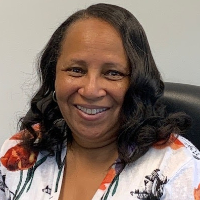
Terri Bassi-Cook
LPC
Pennsylvania - 36 yrs exp












How relationship therapy works for Pennsylvania residents
When you seek relationship therapy in Pennsylvania you are choosing a collaborative process focused on improving how you relate to others. Therapy often begins with an intake session where you and your partner - if applicable - describe what brings you in, outline goals, and share background about your relationship history. Over time you and your therapist identify patterns that contribute to conflict, explore feelings and needs, and develop practical skills for communication and problem solving. Sessions may be offered in person or online, and many clinicians combine brief assessment tools with conversational work to track progress.
Therapists in Pennsylvania use a variety of approaches depending on your goals. Some clinicians emphasize communication skills and conflict resolution, others focus on attachment patterns or trauma that affect relationships, and some integrate emotion-focused or systemic methods. You can expect the work to involve both exploring emotions and practicing new behaviors between sessions. Progress is often incremental, and a therapist will typically help you set realistic short-term goals as well as longer-term objectives.
Finding specialized help for relationship concerns in Pennsylvania
In a state as varied as Pennsylvania you will find clinicians with many different specialties and backgrounds. Urban centers like Philadelphia and Pittsburgh tend to offer a wide range of therapists who work with couples, polyamorous relationships, blended families, and partners facing cultural or identity-related challenges. Smaller cities such as Allentown and communities across central and western Pennsylvania may emphasize flexible scheduling and community-oriented services. When you search listings look for clinicians who list relationship work as a primary focus and who describe experience with the issues most relevant to you - whether that is infidelity, communication breakdown, parenting differences, or chronic conflict.
Specialized training can be an indicator of fit but it does not guarantee results. Look for clinicians who describe their theoretical orientation and typical interventions, and who note populations they work with. If you have concerns about religion, culture, or sexual orientation, prioritize therapists who mention cultural competence or experience with identity-related issues. You can also consider whether you prefer a clinician who works primarily with couples, one who offers individual therapy aimed at relationship issues, or a therapist who provides both options.
What to expect from online relationship therapy
Online therapy has become a common way to access relationship support across Pennsylvania. When you choose telehealth you gain convenience - you can join sessions from home or another comfortable environment and avoid commute time. Online sessions often follow the same structure as in-person work, including opening check-ins, focused dialogue, skill-building exercises, and homework assignments. Technology platforms vary, so you should confirm how sessions are conducted and what to do if a connection drops.
Some couples prefer online therapy because it allows partners in different parts of the state to join a single appointment. In other situations one partner may join from a quiet room in Philadelphia while the other participates from a home outside Pittsburgh. If you plan to try online therapy, set up a neutral, distraction-reduced space and agree with your partner on privacy boundaries for sessions. Ask potential therapists about their experience conducting relationship work remotely and about any strategies they use to help couples stay engaged through a screen.
Licensing and cross-jurisdictional care
Many therapists who provide telehealth services will indicate the states in which they are licensed to practice. If you live in Pennsylvania it is useful to confirm that your therapist is authorized to offer services to residents of the state. This helps avoid misunderstandings and ensures you are working with someone who understands local regulations and resources. If you expect to move or spend time out of state, discuss continuity of care and whether the clinician can continue seeing you under those circumstances.
Common signs you might benefit from relationship therapy
You might consider relationship therapy if you find that arguments are increasing in frequency or intensity, if communication feels stuck or repetitive, or if intimacy and trust have eroded over time. Other indicators include recurring cycles of blame, avoidance of important conversations, or a sense that you are growing apart despite best efforts. Relationship stress can also appear through individual symptoms such as anxiety, sleep disruption, or decreased motivation; when these concerns are tied to your partnership, addressing the relational context can be helpful.
It is also reasonable to seek therapy proactively during major transitions such as moving in together, parenting changes, career shifts, or after a relationship breach. Early intervention can help you develop healthier patterns before problems become entrenched. In cities like Allentown and Harrisburg you may find practitioners who offer short-term focused work designed to target specific issues, while in larger urban areas you may find clinicians who specialize in long-term relational dynamics.
Tips for choosing the right relationship therapist in Pennsylvania
Start by clarifying what you want to achieve. If your priority is improving communication, seek a clinician who emphasizes skills-based work. If you are processing trauma or deep attachment wounds, look for someone who includes trauma-informed or emotion-focused approaches in their practice. Read therapist profiles to learn about their training, experience, and typical client situations. Pay attention to mentions of work with couples, families, or individuals focused on relationship issues.
Consider practical details such as availability, session length, and fees. Many therapists list whether they accept insurance or offer sliding scale fees - if cost is a factor, ask about payment options during an initial call. Location may matter if you prefer in-person sessions; Philadelphia and Pittsburgh have dense provider networks, while suburban and rural areas may require some travel or increased reliance on telehealth. Also think about personal fit - chemistry matters in relationship work. A brief consultation call can help you assess whether a therapist's style resonates with you and your partner.
Ask questions about approach during an introductory conversation. You might inquire how the therapist structures sessions, what kinds of assignments they typically give, and how they measure progress. Discuss boundaries and logistics as well - for example, how cancellations are handled and what to expect between sessions. If language access or cultural competence is important to you, ask about the clinician's experience in those areas. A good therapist will welcome these questions and use them to shape collaborative goals.
Making the first appointment and what comes next
When you decide to reach out, use the directory listings to contact clinicians who fit your criteria. Many therapists offer an introductory phone call at no charge to answer basic questions and help you decide whether to schedule an intake. Prepare for your first session by thinking about specific examples of interactions that feel challenging, and by identifying a few goals you want to work on. Over the first several sessions you will often set a plan and begin trying new communication strategies between meetings. As you progress you and your therapist will adjust the focus based on what is helping and what remains difficult.
Whether you live in Philadelphia, Pittsburgh, Allentown, or elsewhere in Pennsylvania, relationship therapy can provide a structured space to explore patterns, rebuild connection, and develop skills that improve daily life. The right therapist for you is someone whose approach matches your needs, whose availability fits your schedule, and with whom you feel heard and understood. Use the listings above to compare options and take the next step toward better relationships.