Find a Phobias Therapist in Pennsylvania
This page lists therapists in Pennsylvania who specialize in treating phobias, with options for in-person and online care across the state. Browse the listings below to compare clinicians, learn about approaches, and find someone near Philadelphia, Pittsburgh, Allentown, or your community.












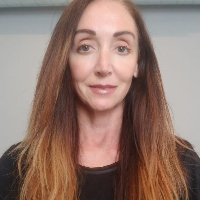
Jennifer Schlegel
LPC
Pennsylvania - 22 yrs exp











How phobia therapy typically works for Pennsylvania residents
If you are seeking help for a phobia in Pennsylvania, therapy usually begins with an assessment to understand how the fear affects your day-to-day life and what kind of triggers are involved. A clinician will ask about the history of the fear, any patterns of avoidance, and how symptoms show up emotionally and physically. From there a personalized plan is developed that addresses your goals and your pace for progress.
Treatment often uses approaches with strong evidence for anxiety-related concerns, such as cognitive behavioral therapy and exposure-based methods. Cognitive techniques help you identify and reframe thoughts that increase fear, while exposure work - done gradually and with guidance - helps reduce avoidance and build confidence in facing feared situations. Sessions typically include discussion, structured exercises, and practice assignments to continue work between appointments. Frequency of meetings can range from weekly to biweekly depending on intensity, availability, and the plan you and your clinician agree on.
Finding specialized help for phobias in Pennsylvania
When searching for a therapist in Pennsylvania, consider both credentials and direct experience with phobia-focused treatment. Larger metropolitan areas such as Philadelphia, Pittsburgh, and Allentown often have clinicians with specialized training in anxiety and exposure therapies, as well as academic medical centers and university clinics that offer training programs. If you live in a smaller town or in a rural part of the state, online options expand access to clinicians who focus on phobias, while county mental health centers and community clinics may also offer relevant services.
Start by reviewing profiles to learn about a clinician's approach, years of experience, and areas of focus. Look for descriptions that mention anxiety, specific phobias, social anxiety, panic-related concerns, or exposure-based interventions. You can also ask potential therapists about continuing education or supervised experience in treating phobias, and whether they collaborate with other providers, such as primary care physicians or psychiatrists, when medication or medical consultation is appropriate.
Licensing and credentials to look for
Therapists in Pennsylvania may hold a range of licenses, including psychologist, licensed clinical social worker, licensed professional counselor, and others. Licenses indicate that a clinician has met state requirements for education and supervised practice. When assessing a therapist's qualifications, ask about relevant training in anxiety and exposure techniques, any specialized certifications, and whether they have experience with the specific type of phobia you are facing - for example, fear of flying, heights, animals, or social situations. A clinician who has worked with people who have similar concerns can often offer strategies that are more immediately relevant to your situation.
What to expect from online therapy for phobias
Online therapy is commonly used across Pennsylvania and can be especially helpful if you live outside a major city or prefer to meet from home. In virtual sessions you can expect many of the same elements as in-person therapy - a clinical assessment, talk-based interventions, exposure planning, and homework assignments - conducted over a secure video connection. Clinicians may guide you through virtual exposure exercises that use imagery, video, or real-time practice in your own environment. This can make it easier to face triggers that are present at home or in your community.
Before starting online therapy, confirm the clinician's technical requirements, how they protect your session data, and their policies on scheduling and cancellations. You should also discuss how to handle situations if you experience intense distress between sessions, and whether the therapist has a local referral plan in Pennsylvania for crisis care when needed. Online work can be very practical for people who commute into Philadelphia or Pittsburgh, those who travel for work, or residents of smaller communities like Erie or Harrisburg who value access without long drives.
Common signs that someone might benefit from phobias therapy
You might consider seeking therapy if a fear interferes with your daily routines, work, studies, or relationships. Avoidance of places, activities, or conversations because of intense fear is a common sign that support could help. You may notice strong physical reactions such as rapid heartbeat, sweating, trembling, or a sense of panic when you encounter a trigger. Sometimes people find themselves adjusting life plans to prevent contact with a feared object or situation - for example, turning down job opportunities, avoiding social events, or altering travel plans.
Another reason to reach out is if self-management strategies no longer feel effective. If you have tried gradual exposure on your own without steady improvement, working with a clinician can provide structure, safety, and techniques that are tailored to your needs. Family members or close friends may also notice changes - increased avoidance, fear-driven decisions, or mood shifts - and can encourage you to explore professional help.
Tips for choosing the right therapist for phobias in Pennsylvania
First, choose a clinician whose style and approach align with your preferences. Some therapists take a very structured, skills-based approach while others are more exploratory. If you prefer clear steps and homework, look for therapists who describe evidence-based methods and exposure work in their profiles. If you value a relational focus, seek someone who emphasizes building a therapeutic alliance along with anxiety management techniques.
Second, prioritize clear communication about logistics. Confirm whether the therapist offers in-person sessions near your town, or online meetings that fit your schedule. If you live near Philadelphia, Pittsburgh, or Allentown, you may have more options for specialized clinics, but therapists across Pennsylvania often provide telehealth to broaden access. Ask about typical session length, fees, insurance acceptance, and whether sliding scale options are offered for affordability. Understanding billing practices up front helps you avoid surprises later.
Third, consider practical fit factors such as language, cultural understanding, and availability. If cultural background or specific life experience matters to you, search for clinicians who highlight those competencies. Check whether the therapist is experienced with any additional concerns that often accompany phobias, such as panic symptoms or social anxiety, so that treatment addresses the whole experience rather than a narrow symptom set.
Preparing for your first appointment
Before your initial session, take a moment to list the situations that trigger fear, any steps you already took to cope, and what you hope to achieve in therapy. Gathering this information helps you and the therapist form a clear starting point. During the first few meetings you can expect assessment questions, a discussion of treatment options, and an opportunity to set short-term goals. It is reasonable to ask about the therapist's experience with exposure work, how progress will be measured, and what a typical timeline might look like for your situation.
Moving forward in Pennsylvania
Finding the right therapist can change how you relate to feared situations and increase your confidence in facing them. Whether you live in a bustling neighborhood in Philadelphia, a suburban area near Pittsburgh, or a smaller community such as Allentown, therapy options exist that can be tailored to your life. Use clinician profiles to compare approaches, ask targeted questions during initial consultations, and choose a professional with whom you feel comfortable moving forward. Taking that first step - reaching out and scheduling a meeting - is often the most important part of the journey.
If it feels overwhelming, remember that a preliminary call or brief consultation is a low-commitment way to explore fit. Many people find that once they connect with a therapist who understands phobias and has a clear plan, progress becomes steady and manageable. Consider the logistics that matter most to you - location, availability, approach, and cost - and use those priorities to guide your selection. With the right support, you can learn skills to reduce avoidance, gain control over fearful reactions, and expand the activities that matter to you across Pennsylvania and beyond.