Find a Money and Financial Issues Therapist in Pennsylvania
This page lists therapists across Pennsylvania who focus on money and financial issues. You can compare specialties, therapeutic approaches, and availability to find a good match. Browse the listings below to see professionals offering in-person and online appointments.







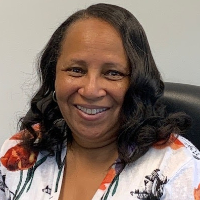


Julie Lynch
LPC
Pennsylvania - 12 yrs exp














How money and financial issues therapy works for Pennsylvania residents
If you are considering therapy for money and financial issues in Pennsylvania, it helps to know what the process usually looks like. Many therapists begin with an initial consultation to learn about your financial concerns, the emotional impact of money stress, and your goals for treatment. Sessions often combine practical problem-solving - such as budgeting strategies or communication skills for couples - with emotion-focused work that explores beliefs, patterns, and experiences that shape your financial behavior. You will likely set short-term goals like stabilizing a budget or improving financial conversations, and longer-term goals that address underlying anxieties or avoidance.
Therapists who work with money-related concerns often draw on approaches such as cognitive behavioral strategies to reframe unhelpful thoughts, psychodynamic or attachment-informed work to trace the roots of money beliefs, and emotion regulation techniques to reduce impulsive spending or panic around bills. In Pennsylvania, licensed professionals are trained to coordinate care when helpful - for example, connecting you with a financial counselor, creditor negotiator, or support groups - while focusing on the personal and relational aspects of money that standard financial advising may not address.
Finding specialized help for money and financial issues in Pennsylvania
When you search for a therapist in Pennsylvania who specializes in money and financial issues, look for clinicians who list financial concerns, debt stress, money avoidance, financial infidelity, or financial decision-making on their profiles. You can also search by populations served if you want a therapist experienced with couples, young adults, older adults, or families. In larger cities such as Philadelphia and Pittsburgh you may find clinicians with niche specialties - for example trauma-informed work that integrates financial recovery or therapists who focus on the unique financial dynamics of business owners. In smaller communities and suburban areas around Allentown you may find clinicians who offer a mix of in-person and online options to meet different scheduling needs.
Licensure matters because it determines the scope of practice. In Pennsylvania, licensed professional counselors, clinical social workers, marriage and family therapists, and psychologists each have training in mental health care, and many carry additional training in financial therapy, trauma, or couples work. When you contact a therapist, ask about their experience with money-related issues and the kinds of outcomes clients typically report. If you use insurance, verify whether a clinician is in-network or provides documentation for out-of-network reimbursement. If affordability is a priority, inquire about sliding scale options or community clinics that offer reduced fees.
What to expect from online therapy for money and financial issues
Online therapy has become a practical option for many Pennsylvanians who want greater scheduling flexibility or who live far from specialists. When you choose online sessions, expect much of the same therapeutic work as in-person care - assessment of your concerns, collaborative goal setting, and an evidence-informed plan that blends skills training with reflective work. Online formats can make it easier to involve partners in sessions, to share financial documents in real time, and to practice new communication techniques between sessions.
Technology considerations are straightforward. You will typically connect through a video platform or by phone, and your therapist will outline how they handle appointment scheduling, payment, and session materials. If you live in a different part of the state from a therapist you liked - for example you are in Erie and want to work with someone in Philadelphia who specializes in financial trauma - telehealth can widen your options. Keep in mind that therapists must be licensed to practice with clients in Pennsylvania, so confirm licensure if you and a clinician are in different states.
Common signs you might benefit from money and financial issues therapy
You might consider seeking help if money worries are affecting your daily life, relationships, or sense of wellbeing. Signs that therapy could help include persistent anxiety about bills or debt, avoidance of financial conversations, repeated conflict with a partner about spending or saving, and patterns of impulsive purchases that you later regret. You may notice physical symptoms linked to money stress, such as trouble sleeping or persistent tension, or you may find it hard to make decisions about long-term financial planning because of fear or overwhelm.
Other indicators include frequent cycles of financial recovery followed by relapse, a reluctance to open mail or look at bank accounts, or a history of financial behaviors that feel out of your control. If you are dealing with major financial transitions - such as job loss, inheritance, divorce, or starting a business - a therapist can help you navigate the emotional complexity while you create practical steps forward. If you are part of a couple, therapy can provide a structured space to negotiate shared goals and boundaries around money without escalation.
Tips for choosing the right therapist for this specialty in Pennsylvania
Choosing the right therapist is a personal process. Start by clarifying what you want to change - are you seeking debt management support, relief from money-related anxiety, help repairing financial trust in a relationship, or guidance on combining households? Once you know your priorities, review therapist profiles for relevant experience and training. It is reasonable to ask about a therapist's approach to money issues, their typical session structure, and how they measure progress.
Consider practical factors such as location, availability, and fees. If you prefer in-person work, look for clinicians in your area - for example Philadelphia offers a dense network of providers, while Pittsburgh and Allentown also have clinicians who specialize in financial concerns. If convenience matters, check whether a therapist offers evening hours or weekend appointments. When possible, schedule an initial consultation to get a sense of rapport; feeling heard and understood is often more important than matching a specific credential. You can also ask whether the therapist works collaboratively with financial professionals when needed, since combining emotional support with concrete financial planning can be effective.
Trust your instincts during the first few sessions. If techniques or pacing do not feel right, it is appropriate to discuss adjustments or to look for another clinician whose style fits better. Some people benefit from a short-term, problem-focused approach that tackles immediate financial steps, while others choose longer-term therapy to address deeper patterns related to money. Both options can be helpful depending on your situation.
Local considerations and next steps
Pennsylvania includes diverse communities with different financial landscapes. In urban areas like Philadelphia you may find clinicians with specialties that address complex client needs, including therapists experienced in working with professionals, entrepreneurs, or clients with significant debt burdens. Pittsburgh offers options that blend clinical and pragmatic approaches, and providers near Allentown often serve both city and suburban populations. No matter where you are in the state, you can seek a therapist who understands the cultural and economic context of your community.
When you are ready to move forward, use the listings above to filter by specialization, therapy style, insurance participation, and session format. Reach out to a few clinicians for brief consultations to compare approaches and feel for rapport. With the right support, you can develop healthier financial habits, reduce money-related stress, and build clearer decision-making skills that fit your values and life goals. Take the next step by exploring profiles and scheduling a first conversation with a therapist who can help you tackle money and financial issues with both practical tools and emotional insight.
Resources and collaboration
Therapists who focus on money-related concerns often collaborate with financial advisors, credit counselors, and community organizations. If you need help locating affordable financial services or legal resources in Pennsylvania, ask your therapist for referrals. Combining emotional work with practical financial guidance can help you make sustainable changes and feel more confident in managing money over time.