Find an Impulsivity Therapist in Pennsylvania
On this page you will find therapists in Pennsylvania who specialize in impulsivity and related behavioral concerns. Each listing includes clinician profiles, specialties, and contact options to help you compare providers. Browse the listings below to connect with professionals across the state.



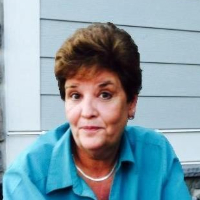

















Steve Reinoehl
LPC
Pennsylvania - 16 yrs exp



How impulsivity therapy works for Pennsylvania residents
If impulsivity affects your daily life, therapy focuses on helping you understand triggers, develop practical skills, and build habits that reduce impulsive decisions. Most clinicians begin with an intake assessment that explores your history, current challenges, and priorities. From there you and your therapist set short-term and long-term goals and choose interventions that fit your needs. Therapy often emphasizes learning concrete techniques - such as impulse-delay strategies, emotion regulation skills, and problem-solving methods - that you can practice in real situations. The pace and intensity of treatment vary depending on your goals; some people benefit from short-term skills training while others work with a clinician for a longer period to address underlying patterns.
Common therapeutic approaches
Therapists use a range of evidence-informed approaches to address impulsivity. Cognitive behavioral approaches help you identify thought patterns that lead to rash actions and teach you to replace those patterns with more deliberate responses. Skills-based models focus on building tolerance for distress and managing intense emotions so that you can pause before acting. Behavioral interventions break habits into manageable steps and use practice and reinforcement to create new routines. Many clinicians blend these approaches to match your preferences and the particular ways impulsivity shows up in your life.
Finding specialized help for impulsivity in Pennsylvania
When searching for a specialist, consider both clinical training and real-world experience with impulsivity-related concerns. Therapists who list impulsivity, impulse control, anger management, or related behavioral challenges in their specialties often have additional training or supervised experience. You can filter listings by therapist credentials, years of practice, populations served - for example adolescents, adults, or families - and whether they offer in-person appointments in cities like Philadelphia, Pittsburgh, or Allentown. If you prefer to see someone near you, look for providers who work in community clinics, private practices, or outpatient centers in your region.
Licensing and professional background
Different licensed professionals offer therapy in Pennsylvania, including licensed professional counselors, clinical social workers, psychologists, and marriage and family therapists. Each brings a different training background and approach. When you review a profile, pay attention to descriptions of clinical focus, therapeutic modalities, and any specialized training in behavioral interventions. It is reasonable to ask a prospective therapist about their experience working with impulsivity and the kinds of strategies they typically use.
What to expect from online therapy for impulsivity
Online therapy can be a convenient option whether you live in a dense urban area or a more rural part of Pennsylvania. You can access sessions from home, your workplace during a break, or another comfortable environment. Many people find that virtual sessions make it easier to fit therapy into a busy schedule and to maintain continuity of care when relocating within the state. Therapists may offer video sessions, phone appointments, or messaging options for check-ins between sessions. Before you begin, your clinician will explain how virtual appointments are conducted, what technology you will use, and how to handle scheduling or technical issues.
Practical considerations for telehealth
Think about where you will take sessions so you can speak openly and practice new skills. Some people prefer a quiet room at home, while others schedule sessions from a parked car between commitments. If you plan to use online therapy, check whether a therapist offers evening or weekend hours and whether they are licensed to provide telehealth across state lines if you spend time in neighboring states. You should also review payment options, including whether the therapist accepts insurance, offers sliding scale fees, or provides a range of payment methods.
Common signs someone in Pennsylvania might benefit from impulsivity therapy
You might consider seeking help if impulsive behavior causes repeated problems at work, school, or in relationships. Frequent impulsive decisions that lead to financial stress, legal trouble, or risky situations are indicators that targeted support could help. You may notice difficulty waiting, interrupting others, making snap decisions without considering consequences, or acting on intense emotions in ways you later regret. For parents and caregivers, impulsivity in children or teens may show as sudden mood shifts, trouble following rules, or impulsive physical behavior. If impulsivity is connected to substance use, self-harm, or harm to others, it is important to reach out for professional guidance promptly.
Tips for choosing the right therapist for this specialty in Pennsylvania
Start by clarifying what you want to get from therapy - symptom reduction, better impulse control, improved relationships, or support for co-occurring concerns such as anxiety or attention-related challenges. Use your goals to narrow the pool of providers. Read clinician profiles to learn about their stated approaches and populations served. When you contact a therapist for a consultation, ask about their experience with impulsivity, how they measure progress, and what a typical session might look like. You can inquire about the expected duration of treatment and whether they provide take-home exercises to practice skills between sessions.
Logistics and accessibility
Consider practical matters like location if you prefer in-person care, or appointment availability if you need evening or weekend options. In urban centers like Philadelphia and Pittsburgh you may find a wider variety of specialists and niche practices. In smaller cities such as Allentown, Harrisburg, or Erie you can still connect with experienced clinicians who offer telehealth to expand access. Transportation, parking, and clinic hours may influence your choice, so weigh convenience alongside fit.
Questions to ask during an initial contact
When you reach out, a brief phone or email exchange can help you determine whether to schedule a first session. Ask how the therapist frames impulsivity in treatment, what techniques they prioritize, and whether they have experience with your age group and cultural background. It can also be helpful to ask about outcome tracking - how you and the clinician will know that therapy is helping. A good fit is not just about credentials; it is about feeling understood and respected.
Next steps
Exploring profiles and booking an initial consultation is a practical next step. A single consultation can give you a sense of whether a therapist's approach aligns with your needs and whether you feel comfortable working together. If a first therapist is not the right fit, it is normal to try another clinician until you find someone who matches your goals and communication style. Whether you live in Philadelphia, Pittsburgh, Allentown, or elsewhere in Pennsylvania, help is available and increasingly adaptable to different schedules and preferences. Use the listings above to learn more about local professionals and to arrange a meeting that suits your needs.
Taking that first step can feel challenging, but with the right support you can learn strategies that reduce impulsive behaviors and improve everyday functioning. Reach out to a therapist in your area to start a conversation about the approach that will work best for you.