Find a Grief Therapist in Pennsylvania
This page connects you with grief-focused therapists who work with individuals and families across Pennsylvania. Explore listings for professionals who specialize in bereavement, loss, and healing, then browse profiles below to find a good fit.










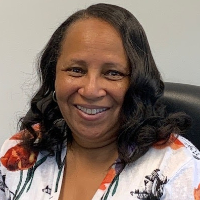
Terri Bassi-Cook
LPC
Pennsylvania - 36 yrs exp













How grief therapy works for Pennsylvania residents
If you are considering grief therapy in Pennsylvania you can expect a process that begins with an intake conversation and assessment of where you are in your bereavement. A therapist will ask about the nature of your loss, how it affects daily life, and what goals you want to address - whether that is coping with intense emotions, rebuilding routines, or processing complicated family feelings. Treatment often blends evidence-informed approaches such as grief-focused talk therapy, narrative techniques that help you name and reorganize your story, and skills-based strategies that reduce overwhelming symptoms and support functioning.
In metropolitan centers like Philadelphia and Pittsburgh, many clinicians work in outpatient clinics and community mental health settings, offering both individual and group programs. In smaller communities or more rural counties you may find clinicians who combine traditional therapy with local supports such as hospice bereavement services or faith-based resources. Regardless of setting, a good grief therapist will tailor sessions to your needs and collaborate with you on pacing, since grief rarely follows a linear timeline.
Finding specialized help for grief in Pennsylvania
When searching for a grief specialist in Pennsylvania you might look for clinicians who list bereavement, loss, or complicated grief among their specialties. Professional credentials to consider include licensed clinical social workers, licensed professional counselors, marriage and family therapists, and psychologists. Many clinicians pursue additional training in grief work, trauma-informed care, or specific modalities like prolonged exposure for complicated grief or meaning-centered therapy. You can identify fit by reading therapist bios to see whether they have worked with similar types of loss - for example the death of a parent, the loss of a child, ambiguous loss, or losses related to health decline.
Location matters when you want in-person support. Major Pennsylvania cities such as Philadelphia, Pittsburgh, and Allentown typically offer a wider range of specialists and support groups. If you live outside those areas, consider professionals who provide hybrid or online options so you can access clinicians with focused expertise even if they are not nearby. Local hospices, hospitals, and community centers often maintain lists of bereavement resources that can complement individual therapy.
What to expect from online therapy for grief
Online therapy has become a widely used option for grief work and can offer flexibility if you have caregiving responsibilities, limited transportation, or live far from a specialist. When you choose virtual grief therapy you will typically start with an intake session that covers your history and current concerns, followed by a plan for frequency and goals. Sessions are often similar in structure to in-person meetings - a mix of listening, reflection, experiential exercises, and homework - but take place through video, phone, or a text-based messaging system. You should plan to be in a quiet room or private space during sessions so you can speak openly and focus.
Therapists who offer online grief counseling in Pennsylvania are mindful of state licensure rules and will note whether they can legally provide services where you live. Online work can also make it easier to join specialized group programs that draw participants from across the state, offering perspectives you might not find locally. If you are new to remote sessions, expect an orientation to the platform, a review of boundaries and emergency planning, and a conversation about how to handle intense emotions that may come up between sessions.
Common signs that you might benefit from grief therapy
Grief looks different for everyone, but there are common signs that suggest professional support could help. If you are finding it difficult to perform everyday tasks, maintain relationships, or manage work responsibilities because of persistent sadness, anxiety, or numbness, therapy can offer strategies to restore functioning. You might notice frequent intrusive memories, difficulty sleeping, appetite changes, or heightened irritability. Some people experience avoidance - steering clear of reminders of the person they lost - which can prolong distress rather than resolve it. Others discover that grief has triggered old trauma or complicated family dynamics that feel overwhelming to navigate alone.
In Pennsylvania communities, seasonal changes and family expectations around holidays can intensify grief, and you may find certain times of year particularly hard. If your grief includes risky coping behaviors such as increased substance use, or if you are having thoughts of harming yourself, reach out for immediate help from a mental health professional or local crisis services. Therapy can provide a structured and supportive place to process feelings while you build healthier coping tools.
Tips for choosing the right grief therapist in Pennsylvania
Choosing a therapist is a personal decision and it helps to approach the search with practical questions in mind. Start by clarifying what you want from therapy - whether emotional processing, tools for daily coping, or support with memorial rituals - then look for clinicians who explicitly state experience with those goals. Review credentials to ensure the clinician is licensed in Pennsylvania and read bios that describe their approach to grief. You may prefer someone who emphasizes experiential work, someone who integrates cognitive strategies, or someone trained in bereavement groups. Consider whether you need additional cultural or spiritual sensitivity; many therapists note if they offer faith-informed support or have experience with particular communities.
Financial and logistical factors also matter. Ask about session length, frequency, fees, insurance options, and sliding-scale arrangements. In cities like Philadelphia and Pittsburgh you may find clinicians who accept a variety of insurance plans, while in smaller towns you might rely more on out-of-network providers or community programs that offer lower-cost services. If you plan to work online, confirm the clinician’s availability across Pennsylvania and discuss emergency planning so you know what to do if urgent needs arise between sessions.
Working with a therapist over time
Therapy is most effective when you feel the therapist understands your experience and you have clear, mutually agreed-upon goals. After a few sessions you and your clinician should have a sense of direction - whether that involves learning coping skills, processing memories, participating in grief rituals, or working toward reintegration into daily life. Progress is rarely linear; some weeks will feel better and others will bring renewed pain. A thoughtful therapist will help you track small changes, adjust interventions as needed, and support you in building a network of practical supports, including group options and community resources.
If you live near Allentown, Philadelphia, or Pittsburgh you may also find benefit in combining individual therapy with local bereavement groups, spiritual counseling, or specialized workshops. These in-person offerings can complement the work you do in sessions by providing shared experience and social connection.
Final considerations
Finding grief support in Pennsylvania means balancing practical details with emotional fit. Take your time to read profiles, ask questions about experience and approach, and trust your sense of rapport during initial meetings. Grief therapy is not about erasing loss but about helping you live with it in a way that honors what you have lost while rebuilding a meaningful life. When you find the right clinician, you will have a steady ally during a difficult and often unpredictable process.