Find a Forgiveness Therapist in Pennsylvania
Find therapists who specialize in forgiveness therapy throughout Pennsylvania, from urban centers to smaller communities. Browse the listings below to compare approaches, credentials, and availability in your area.


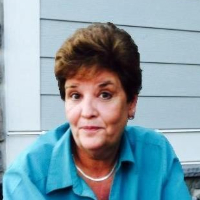


Terri Bassi-Cook
LPC
Pennsylvania - 36 yrs exp

















How forgiveness therapy works for Pennsylvania residents
Forgiveness therapy is a process focused on helping you work through hurt, resentment, and the emotional aftermath of painful experiences. In Pennsylvania, therapists adapt these approaches to the realities of your life - whether you live in Philadelphia, commute from the suburbs, work in Pittsburgh, or are based in a smaller town. Sessions typically start with an assessment to understand your history, the nature of the harm, and how it continues to affect your day to day functioning. From there, a therapist will collaborate with you to set modest, achievable goals that reflect your values and circumstances.
The work itself can involve exploring the story of the harm, identifying the thoughts and beliefs that sustain anger or shame, and practicing strategies that reduce the intensity of those reactions. Therapists may use evidence-informed techniques such as cognitive restructuring to reframe unhelpful thoughts, emotion regulation skills to manage intense feelings, and structured exercises that encourage perspective taking and empathy. In many cases, forgiveness therapy also attends to boundaries and safety - helping you decide when reconciliation is possible and when it is healthier to maintain distance. Across Pennsylvania, clinicians aim to create a supportive context where you can process complex emotions without pressure to rush toward forgiveness.
Therapeutic approaches you may encounter
There is no single method for forgiveness therapy. Some therapists draw from cognitive-behavioral approaches to help you shift patterns of thinking. Others integrate elements of acceptance and commitment work to clarify what you want your life to stand for after an injury. Narrative techniques encourage you to rewrite the personal meaning of past events so they hold less power over your present. For those whose concerns are entwined with trauma, trauma-informed therapists in places like Allentown or Harrisburg may blend trauma processing with forgiveness-focused interventions, always pacing the work to your readiness.
Local considerations in Pennsylvania
Your access to services may vary depending on where you live in Pennsylvania. In larger cities such as Philadelphia and Pittsburgh you will find a wider range of specialties and treatment styles, as well as clinicians who focus on specific populations or faith backgrounds. In smaller communities you may find therapists who combine multiple areas of expertise. Licensing and practice rules are governed at the state level, so clinicians listed in this directory are licensed to practice in Pennsylvania. If you prefer in-person appointments, consider proximity to public transit or your commute time when choosing a therapist. If logistics or geography are limiting, online options can extend access to practitioners across the state.
Finding specialized help for forgiveness in Pennsylvania
When you search for a forgiveness therapist, start by clarifying what forgiveness means to you and what outcome you hope to achieve. Some people seek to reduce persistent anger that affects relationships, while others want to release self-directed shame. Use those goals when reviewing therapist profiles so you can identify clinicians who explicitly list forgiveness or related goals in their specialties. In metropolitan areas such as Philadelphia and Pittsburgh you may find clinicians who also have experience working with community trauma, interpersonal violence, or faith-related concerns. In towns like Allentown you may find therapists who balance culturally responsive approaches with community-based resources.
Consider practical details too. Look for clinicians who describe their approaches, session format, fees, and scheduling policies. Many Pennsylvania therapists offer a brief phone consultation so you can ask about their experience with forgiveness work and get a sense of how you might fit together. If you rely on insurance, check whether the therapist accepts your plan or provides documentation for reimbursement. If cost is a consideration, ask about sliding scale options or lower-cost community clinics that may offer relevant services.
What to expect from online therapy for forgiveness
Online therapy expands access to specialized clinicians who may not be available in your immediate area. If you live in a rural part of Pennsylvania or have limited mobility, virtual sessions let you meet with a therapist who focuses on forgiveness without the need to travel. Online work generally follows the same methods as in-person therapy - you will discuss your history, identify goals, practice new ways of thinking and responding, and receive exercises to try between sessions. Some people find it easier to open up from the familiarity of their own home, while others prefer the energy of in-person contact. Think about what setting will support your honesty and comfort.
Before starting online therapy, check the clinician's policies about privacy, emergency procedures, and technology requirements. Make sure you have a reliable internet connection and a quiet place where you can speak freely. If you are located in Pennsylvania and plan to receive care across state lines, verify that the therapist is licensed to practice in this state. Many therapists can offer a combination of in-person and online sessions, which can be helpful if you want occasional face-to-face meetings and remote continuity between visits.
Common signs you might benefit from forgiveness therapy
People seek forgiveness-focused work for many reasons. You might notice that past wrongs keep coming up in your mind and interfere with your relationships or work. You may find yourself ruminating about an injury and experiencing ongoing anger that feels out of proportion to current situations. Some people experience deep self-criticism after they have made mistakes and want help moving toward self-forgiveness. Others are stuck at a crossroads - wanting to repair a relationship but unsure whether reconciliation is safe or possible. If you find that these issues reduce your quality of life or prevent you from engaging in meaningful activities, forgiveness therapy can offer structured support to explore those patterns.
Because forgiveness work often involves confronting painful memories, you should expect the process to be gradual and to include moments of discomfort. A skilled therapist will help you pace the work so that you are challenged but not overwhelmed. If you are dealing with recent or ongoing safety concerns, a therapist will prioritize protection and stabilization before deeper forgiveness work.
Tips for choosing the right forgiveness therapist in Pennsylvania
Choosing a therapist is a personal decision. Start by reading profiles to find clinicians who explicitly mention forgiveness, reconciliation, or related themes such as anger management and trauma recovery. Pay attention to therapy style and questions about cultural competence - you want a therapist who understands the social and community context where you live. If faith or spiritual concerns are central to the issue, seek therapists who are comfortable integrating those values into the work while respecting your autonomy.
Use initial consultations to assess whether you feel heard and understood. Ask how the therapist approaches forgiveness, what techniques they commonly use, and how they measure progress. Talk about logistics such as fees, session length, and cancellation policies so there are no surprises. If you live near Philadelphia, Pittsburgh, or Allentown you may prefer an in-person arrangement for some sessions, but do not discount the convenience of online options that allow you to continue work when travel or schedules are difficult.
Finally, trust your sense of fit. It is normal to try a few sessions before you know whether a therapist is the right match. If the approach feels off or you do not sense forward movement after a reasonable period, it is appropriate to discuss adjustments or look for someone whose style better aligns with your needs. Forgiveness work is highly personal and it matters that you feel supported and respected as you navigate difficult emotions and choices.
Whether you are beginning to explore forgiveness for the first time or returning to it after a pause, therapists across Pennsylvania can offer methods and support tailored to your life. Use the listings above to compare credentials and approaches, and reach out to schedule a conversation with someone who resonates with your goals.