Find a Family Therapist in Pennsylvania
This page lists professionals who focus on family therapy across Pennsylvania. Visitors can review clinician profiles that highlight specialties, approaches, and availability before contacting a therapist below.











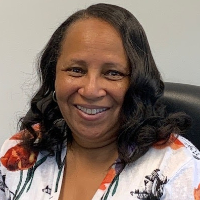
Terri Bassi-Cook
LPC
Pennsylvania - 36 yrs exp












How family therapy works for Pennsylvania residents
Family therapy is a collaborative process that brings family members together to address patterns, roles, and interactions that affect relationships and everyday life. When you choose family therapy in Pennsylvania, you will typically start with an intake or assessment session where the clinician gathers information about family history, current concerns, and goals. That initial meeting is an opportunity to describe what you want to change and to learn how a therapist proposes to help.
In Pennsylvania, many clinicians offer both in-person and online sessions to meet the needs of households throughout the state. Whether you live in a dense urban area or a more rural community, you can find therapists who practice models such as structural family therapy, systems-oriented approaches, or family-focused cognitive-behavioral techniques. Sessions often include more than one family member and may also involve individual time with certain participants to address specific needs.
Assessment, goals, and the therapeutic process
Early sessions focus on building a plan that reflects your family's priorities. Expect the therapist to explore strengths as well as the patterns that contribute to conflict or disconnection. You and the clinician will establish short-term and long-term goals, decide who will attend sessions, and set a rhythm for meeting. Over time, sessions aim to change interaction patterns, improve communication, and develop practical strategies you can use between appointments.
Finding specialized help for family issues in Pennsylvania
If you have a specific concern - such as co-parenting after separation, adolescent behavior, blended-family adjustments, grief, or caring for a family member with health challenges - you can search for therapists who list those specialties. In larger cities like Philadelphia and Pittsburgh you may find clinicians with niche experience in areas such as custody-related work, military families, or multicultural family dynamics. Smaller cities and towns also have skilled clinicians, and telehealth options make it possible to connect across county lines when you need a particular specialty.
When looking for specialized help, pay attention to a clinician's training and experience as described in their profile. Many therapists note years of practice working with families, additional certifications, or particular modalities that inform their work. You can reach out to ask about prior experience with issues similar to yours and how the therapist typically structures family sessions.
What to expect from online family therapy
Online family therapy can be a practical choice if scheduling, travel, or geographic barriers make in-person sessions difficult. When you participate in family therapy remotely, you and your family members join a virtual session from separate locations or the same room using a video platform. Therapists adapt interventions for the screen by focusing on communication patterns, assigning structured activities, and guiding conversations to ensure everyone is able to participate.
To prepare for online therapy, make sure you have a stable internet connection and a quiet place where family members can speak without interruptions. If children will join, consider the camera placement and whether any adjustments are needed so the therapist can observe interactions. Therapists will also explain how they handle administrative details such as scheduling, fees, and privacy practices, and they will review technology troubleshooting steps so sessions run smoothly.
Common signs that someone in Pennsylvania might benefit from family therapy
You might consider family therapy if arguments feel frequent and unresolved, if communication has broken down, or if a life transition - such as moving, a new partner, or a child entering adolescence - has created tension. Other signs include repetitive conflict that affects one or more members' daily functioning, sudden shifts in behavior among children or teens, or ongoing stress related to caregiving responsibilities. Even when problems seem modest, therapy can help you develop tools to prevent escalation and strengthen relationships.
For families in Pennsylvania facing court-related transitions or custody arrangements, therapy can provide a structured setting to establish co-parenting routines and reduce conflict. If you live in an area with limited local resources, you may find it especially valuable to access therapists who offer telehealth so that you can work with someone experienced in your concern, even if they are based in Philadelphia or another city.
Tips for choosing the right family therapist in Pennsylvania
Start by clarifying what you hope to achieve and who needs to be involved. This will make it easier to identify therapists who focus on the right age groups and issues. When you review profiles, look for clear descriptions of the clinician's approach, experience with families, and openness to working with members across generations. You might prefer someone who emphasizes practical skill-building and communication exercises, or you may gravitate toward a clinician who explores deeper family patterns and history.
Practical considerations include scheduling, fees, and how a therapist handles insurance. Many clinicians list whether they accept insurance plans, offer a sliding scale, or provide a range of payment options. If cost is a concern, ask about reduced-fee appointments or community resources available in your county. Also confirm licensure and whether the clinician is authorized to provide services to Pennsylvania residents. Many states require therapists to hold a license in the state where clients live, so verifying that a clinician is licensed in Pennsylvania can help ensure appropriate oversight and professional standards.
When you contact a prospective therapist, prepare a few questions that matter to you. You might ask about their experience with families like yours, how they involve children or teens in sessions, the typical length of treatment, and how progress is measured. It is reasonable to inquire about what a first session looks like and how family members are scheduled. Pay attention to how the therapist responds and whether you feel heard during that initial exchange - establishing a working relationship is an important part of effective treatment.
Logistics and local resources
Consider whether you want in-person sessions or a mix of in-person and virtual meetings. In cities such as Allentown, Philadelphia, and Pittsburgh you may find more in-person options and clinicians with diverse specialties. If you live outside a major metro area, telehealth widens your choices, and some therapists travel between communities for periodic in-person meetings. Local community mental health centers, hospital behavioral health departments, and nonprofit organizations can also be sources of referrals or low-cost services.
Finally, remember that finding the right fit can take time. It is common to speak with more than one therapist before committing to a series of sessions. You can request an initial consultation to gauge compatibility with your family's style and needs. If a therapist suggests a plan that feels aligned with your goals, you and your family can move forward with a clearer sense of direction and a shared set of expectations.
Family therapy in Pennsylvania offers a practical pathway to improve how you relate, communicate, and solve problems together. By focusing on the fit between your family's needs and a therapist's expertise, and by taking advantage of both local and online options, you can find professional support that helps your family navigate transitions and rebuild stronger connections.