Find a Communication Problems Therapist in Pennsylvania
This page lists clinicians across Pennsylvania who specialize in communication problems, including relationship, workplace, and social communication challenges. You will find profiles for clinicians offering in-person and online appointments across the state. Browse the listings below to review specialties, approaches, and contact options.



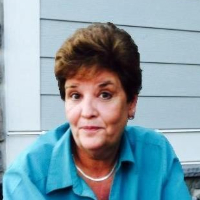


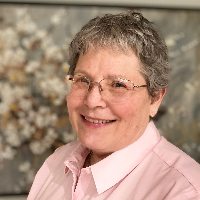
Terri Bassi-Cook
LPC
Pennsylvania - 36 yrs exp
















How communication problems therapy works for Pennsylvania residents
If you are looking for help with communication challenges, therapy typically begins with an assessment to understand the situations where you struggle most - whether that is at home, at work, or in social settings. Clinicians focus on practical skills such as active listening, clear expression of needs, managing emotional reactions during conversations, and strategies for de-escalating conflict. Depending on your needs you may work with a mental health professional who specializes in interpersonal skills, a licensed marriage and family therapist who focuses on relationship dynamics, or a speech-language clinician who addresses verbal and social-communication differences.
Sessions are usually collaborative - you and the clinician set goals, try exercises in session, and practice new skills between meetings. Over time you can expect to change the patterns that lead to repeated misunderstandings and to build more confidence in speaking up or responding to others. Therapists often combine skill-building with attention to underlying issues such as anxiety, past relationship patterns, or workplace stress that influence how you communicate.
Initial assessment and goal-setting
The first few sessions are typically devoted to history-taking and identifying concrete goals. Your clinician will ask about the types of conversations that are difficult, how you usually respond, and what outcomes you want. Goals can be narrow - for example, giving a better workplace presentation - or broader, such as reducing arguments with a partner. Establishing measurable steps helps you and the clinician track progress and adjust the plan as needed.
Finding specialized help for communication problems in Pennsylvania
When searching for the right clinician in Pennsylvania, consider the specific kind of communication issue you are addressing. Relationship communication and conflict are often addressed by counselors and marriage and family therapists who use approaches tailored to couples and families. Workplace communication and performance-related anxiety may be handled by therapists with experience in career coaching and cognitive-behavioral techniques. If speech mechanics, stuttering, or social-communication differences are central, look for a speech-language clinician with relevant experience.
Licensure matters because regulated credentials indicate training and oversight. Pennsylvania has licensing boards for counselors, social workers, marriage and family therapists, psychologists, and speech-language clinicians. You can review credentials and licensing information through the appropriate regulatory body. In major population centers such as Philadelphia, Pittsburgh, and Allentown you will find a wider range of specialties and more clinicians with advanced training, while smaller communities may offer clinicians who provide a broader set of services.
What to expect from online therapy for communication problems
Online sessions have become a common way to access communication-focused care, and they expand your options if you live outside urban centers. In an online format you can role-play difficult conversations via video, receive in-the-moment coaching, and share relevant documents or recordings with your clinician. Many therapists integrate interactive tools during sessions to demonstrate techniques and to observe how you use new skills in real time.
Before beginning online work, confirm that the clinician is licensed to provide services to Pennsylvania residents. Licensing rules generally require clinicians to be authorized in the state where the client is located, so practitioners based outside Pennsylvania may not be able to offer ongoing telehealth services. Also ask about the platform the clinician uses and how they protect your personal information in line with professional and legal standards. Practical considerations include whether you need a quiet room, a reliable internet connection, and a device with video capability.
Practical tips for successful online sessions
Choose a quiet, well-lit spot where you can speak without interruption and where you feel comfortable practicing sensitive material. Test your camera and microphone before the session so you do not lose time troubleshooting. If you plan to practice conversations with a partner or family member, agree on a time and location where other people will not overhear. Many people find it helpful to take notes during sessions and to set small assignments to try between meetings, such as initiating a short, direct request with a colleague or scripting a difficult conversation with a loved one.
Common signs you might benefit from communication problems therapy
You might consider therapy if conversations often end with hurt feelings, repeated misunderstandings, or unresolved tension. If you avoid speaking up at work, fear giving feedback, or consistently feel that others are not hearing your concerns, targeted skills work can help. Persistent patterns such as defensive arguing, silence that builds resentment, difficulty expressing needs clearly, and performance anxiety when speaking in groups are all common reasons people seek help. You might also notice that communication obstacles are affecting your relationships, your career progression, or your social life.
For parents and caregivers, communication challenges with children and teens can be particularly stressful. Therapy can provide techniques to set limits kindly, to listen effectively to a young person’s emotions, and to model healthier communication. For people on the autism spectrum or those with speech differences, clinicians can tailor interventions to develop social communication strategies and to improve clarity in specific contexts.
Tips for choosing the right therapist for this specialty in Pennsylvania
Start by reviewing clinician profiles to find those who list communication-focused work among their specialties. Read about their training and typical client concerns to see if they match your needs. Many clinicians describe their favored approaches and give examples of what a course of therapy looks like. You may want someone with experience in couples work if most of your difficulties occur with a partner, or someone with workplace coaching skills if your goals are professional.
Consider logistics as well - some clinicians offer evening or weekend appointments that fit a busy schedule, and many in Philadelphia, Pittsburgh, and Allentown provide both in-person and online options. Ask about fees, whether they accept your insurance, and whether sliding scale arrangements are available. It is reasonable to schedule an initial consultation to get a sense of how a clinician communicates and whether their style feels like a good match for you.
Questions to ask during a first call
During an introductory call, you can ask about the clinician’s experience with your specific concern, how they structure sessions, and what a typical course of work looks like. Ask how they measure progress and what kinds of at-home practice they recommend. Clarify practical policies such as cancellation terms, session length, and how they handle emergencies. A good fit often comes down to how comfortable you feel discussing difficult topics and whether the clinician’s approach seems practical and action-oriented for your goals.
Local considerations and next steps
If you live in a rural area of Pennsylvania you might rely more heavily on online options to access specialists who list communication work as a primary focus. In larger cities you may have access to clinics, university training centers, and group programs that offer focused workshops on public speaking, conflict resolution, or couples communication. Community health centers and employee assistance programs can also be starting points if cost is a concern.
Choosing to seek help is the first step. You do not have to commit to a long-term plan at the outset - many people try a few sessions to learn techniques and then reassess. Use the listings above to compare clinician backgrounds and to request an introductory conversation. Taking action now can give you practical tools to change how conversations unfold in your life, whether your priority is improving relationships, speaking with more confidence at work, or managing everyday interactions more calmly.