Find an Addictions Therapist in Pennsylvania
This page lists therapists who focus on addictions and who serve Pennsylvania residents, including options for in-person and remote appointments. Use the directory below to compare clinician specialties, locations, and availability. Browse the listings to find providers who match your needs.



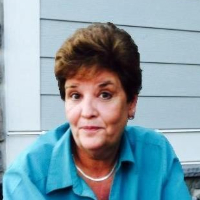


Terri Bassi-Cook
LPC
Pennsylvania - 36 yrs exp

















How addictions therapy works for Pennsylvania residents
If you are considering addictions therapy in Pennsylvania, you will typically begin with an assessment to clarify the pattern of use, the impact on daily life, and any co-occurring emotional or behavioral concerns. That initial conversation helps you and a clinician identify short-term goals like reducing harmful use and longer-term goals such as rebuilding routines and relationships. Therapy often emphasizes practical skills - coping strategies, relapse prevention planning, and managing cravings - while also addressing underlying issues that may contribute to substance or behavioral dependence. Therapy can occur in outpatient clinics, community mental health centers, private practices, or as part of coordinated care with medical providers.
Regulatory environment and licensing
Therapists practicing in Pennsylvania hold state licenses and often additional credentials related to addictions work. You may encounter clinicians with designations like licensed professional counselor, licensed clinical social worker, or licensed marriage and family therapist. Some clinicians also pursue specialized addictions certifications or training. If you value a clinician who is familiar with local resources, look for someone who understands Pennsylvania systems for care, insurance networks, and community supports in both urban and rural areas.
Finding specialized help for addictions in Pennsylvania
Finding the right specialty care depends on the nature of the concern. Substance use and behavioral addictions can present very differently, so seek a clinician who lists addictions or substance use as a focus. In larger cities like Philadelphia and Pittsburgh you will find a wide range of treatment styles and program sizes, while in suburban or smaller communities such as Allentown you might find clinicians who blend individual therapy with local outpatient programs. If your needs include medication management, ask whether the clinician coordinates with prescribers who offer medication-assisted approaches as part of a comprehensive plan.
When specialty matters
Specialized training matters when you face complex patterns of use, a history of repeated attempts to reduce use, or when substance use occurs alongside anxiety, mood concerns, or trauma. A clinician with addictions experience will be familiar with evidence-informed approaches and with community supports that can bolster treatment. You can also look for professionals who advertise experience with specific substances, with recovery from gambling or other behavioral addictions, or with co-occurring mental health concerns.
What to expect from online therapy for addictions
Online therapy has become a common option for many people across Pennsylvania, especially when travel time, work schedules, or caregiving responsibilities make in-person visits difficult. If you choose remote sessions, expect an initial assessment over video or phone, followed by regular sessions that mirror the goals and techniques used in office-based care. Many clinicians use digital tools to support homework between sessions, mood tracking, and relapse prevention planning. You should discuss how crisis situations are handled and whether the clinician has local contacts in your area in case you need urgent in-person support.
Benefits and limitations of teletherapy
Teletherapy offers flexibility and can make it easier to maintain consistent appointments. It can also expand your choices if you live outside major hubs like Philadelphia or Pittsburgh. However, some forms of care may require in-person assessment or coordination with medical providers for medication-related needs. If you prefer face-to-face work, check whether a clinician offers a hybrid model with both remote and office visits so you can choose what fits your life at different stages of care.
Common signs someone in Pennsylvania might benefit from addictions therapy
You may benefit from talking with a specialist if your substance use or behaviors are interfering with work, school, relationships, or your sense of well-being. Warning signs include repeated unsuccessful attempts to cut down, spending more time obtaining or recovering from use, neglecting responsibilities, or continuing use despite negative consequences. You might notice increased secrecy, financial strain, legal problems, or withdrawal from activities you once enjoyed. Physical warning signs such as sleep disruption, appetite changes, or blackouts can also accompany problematic use. If these patterns are present, reaching out to a clinician experienced in addictions can help you explore options without judgment.
Tips for choosing the right therapist for addictions in Pennsylvania
Start by identifying what matters most to you - proximity to home, evening availability, experience with a particular substance or behavior, or an approach that emphasizes skills and relapse prevention. If you live in a larger metro area like Philadelphia, Pittsburgh, or Allentown you will typically have more options, so you can prioritize style and specialization. If you are in a smaller community, look for clinicians who partner with regional programs or who offer teletherapy to increase access to specialized care.
Questions to ask and practical considerations
Before you commit to ongoing therapy, ask about the clinician's experience with addictions and with the specific issues you face. Inquire about the typical length and frequency of sessions, whether they provide coordination with medical providers, and how they approach relapse prevention. Discuss practical matters such as insurance participation, sliding scale fees, and appointment flexibility. If you rely on employer-provided benefits or public programs, ask how paperwork and referrals are handled so you can plan for continuity of care.
Local context and community support in Pennsylvania
Pennsylvania's communities offer a mix of clinical services and peer-led supports. Urban centers like Philadelphia and Pittsburgh host specialized treatment programs and academic resources, while areas around Allentown and other cities may offer clinics that focus on outpatient recovery and ongoing therapy. If you are managing recovery alongside employment or caregiving, look for clinicians who understand the local landscape and can suggest community resources, support groups, or medical collaborators when needed. Regional knowledge can make transitions between levels of care smoother and help you stay connected to supports in your neighborhood.
Next steps and how to get started
Begin by reviewing clinician profiles and reaching out for brief consultations to assess fit. A short introductory call can help you understand the therapist's approach and whether it aligns with your goals. Remember that the therapeutic relationship is a key part of success - it is reasonable to try a few clinicians until you find one who feels like the right match. If you have immediate safety concerns, contact local emergency services or crisis lines in your area; clinicians can help you make a plan for urgent needs and connect you to appropriate supports.
Searching for addictions therapy in Pennsylvania can feel daunting, but taking small steps - learning about treatment options, asking focused questions, and prioritizing fit - can lead you to care that meets your needs. Whether you live in Philadelphia, Pittsburgh, Allentown, or elsewhere in the state, a therapist experienced in addictions can help you clarify goals and build a plan that fits your life.