Find an Isolation / Loneliness Therapist in Oregon
This page connects you with therapists in Oregon who specialize in isolation and loneliness. Browse clinician profiles by location and approach to find a good match below.











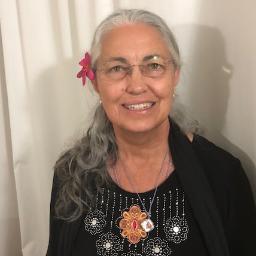
Patricia Manning
LPC
Oregon - 11 yrs exp







How isolation and loneliness therapy works for Oregon residents
If feelings of disconnection or prolonged loneliness are affecting your daily life, therapy can offer tools and experiences that help you rebuild relationships and a sense of belonging. A therapist who focuses on isolation and loneliness will typically begin by exploring how these feelings show up for you - whether through mood changes, avoidance of social situations, or a sense of disconnection from people around you. Over time you and your clinician will set goals that might include improving social skills, creating routines that connect you to community, addressing barriers to social contact such as anxiety or grief, and practicing ways to deepen existing relationships.
Therapists in Oregon draw from several evidence-informed approaches to help people work through isolation and loneliness. Cognitive-behavioral techniques can help you identify patterns of thought that make social outreach harder, while interpersonal methods focus on improving communication and the quality of your relationships. Some clinicians integrate narrative work, emotion-focused techniques, or group-based interventions so you can practice connection with others in a guided setting. The work is collaborative - you decide what changes feel realistic and important for your life, and your therapist helps you practice and reflect on gradual steps toward those goals.
Finding specialized help for isolation and loneliness in Oregon
When you search for a therapist in Oregon, look for clinicians who list isolation, loneliness, social anxiety, or relationship difficulties among their specialties. Licensure matters in different ways - you may see licensed clinical social workers, professional counselors, marriage and family therapists, or psychologists. Each brings different training backgrounds and perspectives, so reading clinician bios can help you understand their approach. Consider practical factors that matter to you, such as whether a therapist offers evening appointments, works with certain age groups, or has experience with life transitions like retirement or relocation that often trigger loneliness.
Geography is an important consideration in Oregon because access varies between urban centers and more rural areas. If you are in Portland, Salem, or Eugene you may find more in-person options and group programs. In smaller towns or in parts of eastern Oregon, teletherapy can bridge distance and give you access to specialists who are not located nearby. Community mental health centers, university counseling services, and local nonprofit groups can also offer supports or referrals when you are looking for targeted help.
What to expect from online therapy for isolation and loneliness
Online therapy is commonly used in Oregon to address isolation and loneliness because it allows you to meet with a therapist from wherever you live. Sessions usually take place by video and follow the same stage-based format you would expect in an office - an initial assessment, goal-setting, and regular appointments to practice skills and reflect on progress. You can also use shorter messaging or phone check-ins between sessions in some practices if that model fits your needs.
One practical benefit of online work is that it can make it easier to try exposure-based steps, such as practicing conversations or joining virtual groups, with the support of your clinician. Technology does add a layer of planning - you will want a quiet place to talk, a reliable internet connection, and a device with a camera if video is used. If you plan to attend from a shared home or busy setting, discuss options with your therapist so sessions remain focused and respectful of your boundaries.
Common signs that someone in Oregon might benefit from isolation and loneliness therapy
You might consider reaching out for support if you notice persistent feelings of emptiness, a shrinking social circle, or frequent cancellations of plans because meeting people feels overwhelming. Loneliness can show up as low energy, worsening sleep, changes in appetite, or a nagging sense that you are misunderstood. If you find it difficult to make new friends after a life change - such as moving to Portland from another state, ending a relationship in Salem, or retiring in Eugene - therapy can help you develop strategies to reconnect and build meaningful ties.
It is also common to seek help when loneliness is linked to other challenges, like grief after losing someone, chronic health issues that limit mobility, or anxiety that makes social interactions feel unsafe. Even if your need feels small at first, early conversations with a therapist can prevent patterns from becoming more entrenched and help you regain a sense of agency in how you relate to others.
Tips for choosing the right therapist for this specialty in Oregon
Start by clarifying what you want from therapy - whether it is practical skills for starting conversations, support managing the emotions that accompany loneliness, or joining a group setting to practice social connection. When you read clinician profiles, look for descriptions of relevant experience such as work with adults adjusting to new communities, older adults facing retirement-related isolation, or people coping with social anxiety. Many therapists include short videos or intake information that give a sense of their style and whether you might feel comfortable with them.
Ask about logistics that affect fit. Check whether the therapist accepts your insurance, offers a sliding scale, or has flexible scheduling that fits your work or family life. If in-person sessions are important, confirm whether they practice near your neighborhood in Portland, Salem, or Eugene. If online care is preferable, ask about platform details, session length, cancellation policies, and how the therapist supports action between sessions. Trust your instincts about rapport - a therapist who listens, validates your experience, and outlines clear next steps is often a stronger match than one who uses jargon or rushes the intake process.
Considering culture, background, and accessibility
Connection often depends on feeling understood, so prioritize clinicians who demonstrate cultural awareness and language skills that match your needs. If you are part of a community that is underrepresented or if identity factors like race, ethnicity, sexual orientation, or age are central to your experience of loneliness, look for therapists who highlight competence in those areas. Accessibility can also mean offering services for people with mobility differences, hearing or visual needs, or providing materials in multiple formats. These practical considerations help you focus on therapy content rather than logistical obstacles.
Practical first steps when you reach out
When you contact a therapist, prepare a few points to share about what has been most challenging and what you hope will change. You might ask about their experience with loneliness, typical session structure, and how they measure progress. A preliminary phone or video consultation is a good way to get a feel for whether their approach matches your expectations. If a first match does not feel right, it is reasonable to try another clinician - finding someone you can work with is key to getting the most from therapy.
Moving forward in Oregon
Whether you live in a lively neighborhood of Portland or a quieter part of the state, support for isolation and loneliness is available in many forms. Therapy can help you rebuild social confidence, cultivate meaningful interactions, and develop day-to-day habits that reduce loneliness over time. By understanding the kinds of services available, asking practical questions about fit and logistics, and choosing a clinician whose approach resonates with you, you can take thoughtful steps toward feeling more connected in your community.
If you are ready to begin, review the profiles below to compare specialties, approaches, and availability. Reaching out for a consultation is often the clearest way to find a therapeutic relationship that supports your goals and helps you reengage with others in ways that feel sustainable and meaningful.