Find an Intimacy Issues Therapist in Oregon
This page connects you with clinicians across Oregon who focus on intimacy issues, relationship dynamics, and sexual health. Browse the therapist listings below to compare approaches, specializations, and locations so you can find a good match.


















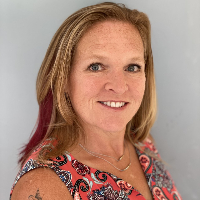
Patricia Manning
LPC
Oregon - 11 yrs exp





How intimacy issues therapy works for Oregon residents
If you are considering therapy for intimacy concerns in Oregon, it helps to know that therapy typically focuses on improving communication, rebuilding trust, addressing mismatched desire, and exploring personal or relational patterns that affect closeness. Many clinicians use a combination of approaches tailored to your goals - for example, emotion-focused work to deepen connection, behavioral strategies to change interaction patterns, or trauma-informed methods when past experiences affect present intimacy. Therapy can be short-term and skill-focused or longer-term to explore deeper issues, depending on what you and your clinician decide together. Sessions can take place in person in city clinics or community offices, or online if you prefer remote access.
Finding specialized help for intimacy issues in Oregon
Finding a clinician with the right blend of training and experience matters. You can look for therapists who explicitly list intimacy, relationship therapy, or sexual health among their specialties. In larger urban areas like Portland, Salem, and Eugene you may find clinicians who emphasize sex therapy or couples work and who have advanced training in these areas. If you live outside these cities, telehealth expands your options and lets you access clinicians who practice in metropolitan centers. When exploring profiles, pay attention to the therapist's stated approach, populations they work with, and any additional certification or workshops focused on sexuality, attachment, or trauma-informed relational work. It is reasonable to ask a potential therapist about their experience with concerns similar to yours before scheduling an intake session.
What to expect from online therapy for intimacy issues
Online therapy has become a common option for people in Oregon who want more flexibility or who live in areas with fewer local specialists. If you choose virtual sessions, you can expect video sessions that resemble an in-person conversation, with the same opportunity to explore feelings, practice new communication skills, and receive guidance or exercises between sessions. Some clinicians may supplement video work with email check-ins or worksheets that help you translate session insights into day-to-day changes. Online work can be particularly helpful when partners live in different locations or when scheduling in-person visits is difficult. Before you begin, discuss logistics such as session length, fees, cancellation policy, and how the clinician protects your information during electronic sessions. Clear expectations about boundaries, session pause or disconnection procedures, and emergency contacts in your local area are also important to review.
Common signs you might benefit from intimacy issues therapy
You might consider seeking help if you notice repeated conflicts about closeness, ongoing avoidance of physical or emotional intimacy, or sharp differences in desire that create stress in the relationship. Other signs include feeling distant from your partner even when you spend time together, recurring jealousy or trust concerns, difficulty discussing sexual concerns without shame or anger, or a pattern of misunderstandings that seem to repeat despite attempts to resolve them. For individuals, intimacy issues can show up as difficulty allowing vulnerability, anxiety about sexual performance, or a history of boundaries being violated in relationships. If past trauma affects your comfort with closeness, or if changing life stages - such as becoming a parent or retirement - are affecting your connection with your partner, therapy can offer a space to work through those transitions. Not all intimacy concerns are about sex. Many stem from attachment styles, stress, health changes, or unmet emotional needs, and addressing those root causes is often part of healing.
Tips for choosing the right therapist for this specialty in Oregon
Choosing the right therapist is a personal process. Start by clarifying what you want to work on and whether you prefer individual, couples, or a mix of approaches. Read practitioner profiles to see how they describe their work with intimacy or sexual health and whether they mention particular populations - for example, LGBTQ+ clients, non-monogamous relationships, or cultural communities. In Portland, Salem, and Eugene you may find a wider range of specialists and niche offerings, while smaller towns may require relying more on telehealth options. During an initial consultation, pay attention to whether the clinician listens without judgment, asks thoughtful questions about your goals, and offers a clear plan for the first few sessions. It is reasonable to ask about their training in sexual and relationship therapy, therapeutic orientation, and years of experience with issues like yours. Also consider practical matters - appointment availability, fee structure, and whether the clinician accepts your insurer or offers sliding scale options if cost is a concern.
Working with cultural, identity, and life-stage factors
Your cultural background, sexual orientation, gender identity, and life stage shape your experiences of intimacy. Look for clinicians who demonstrate cultural humility and an understanding of how community norms and personal identity impact relationships. In Oregon's diverse communities, including urban centers and more rural areas, having a therapist who recognizes these nuances can make therapy more relevant and effective. If you have specific cultural or identity-related needs, ask potential therapists how they incorporate those elements into their work.
When couples come to therapy
If you are seeking help as a couple, expect the therapist to assess the relationship dynamics and each partner's perspective early on. The clinician may introduce exercises to improve communication, set goals together, and help you practice new ways of connecting between sessions. Couples therapy for intimacy issues often includes discussing boundaries, desire differences, and practical steps you can take to rebuild trust. If one partner is hesitant to attend in person, online sessions can provide an alternate path to begin the work.
Practical considerations for Oregon residents
Practical matters can influence your choice. In Portland you may have more in-person options, specialty clinics, and evening appointments, while in smaller communities you might rely on telehealth or commute to larger cities for certain services. Consider transportation, parking, and whether you prefer appointments outside of work hours. If you plan to use insurance, verify that the clinician is in-network or will provide documentation you can submit for reimbursement. Many therapists also offer a sliding scale or reduced fee for clients with financial need, and some community clinics provide low-cost care. If you are dealing with urgent safety concerns or are in crisis, it is important to seek immediate local support through emergency services or crisis lines in your area.
Making the first appointment and next steps
When you are ready to reach out, prepare a brief summary of what you want to work on and any questions about approach or availability. An initial intake session is an opportunity to see whether the therapist's style fits your needs and to set short-term goals. If the match does not feel right, it is acceptable to speak with another clinician - a good fit often makes the work more effective. Over time, you and your therapist can track progress and adjust the plan as your needs evolve. Whether you connect with someone in Portland, Salem, Eugene, or via telehealth from elsewhere in Oregon, the goal is to find an approach that helps you feel more connected, understood, and able to address the intimacy concerns that brought you to therapy.
Therapy for intimacy issues can open new ways of relating and create practical tools for improving closeness. Take the time to review profiles, ask questions, and select a clinician whose experience and approach resonate with your goals. The listings above are a good starting point for finding that match in Oregon.