Find a Black Therapist in Oregon
This page lists Black Therapist clinicians offering culturally informed therapy throughout Oregon, including options in Portland, Salem, Eugene and beyond. Browse the profiles below to compare approaches, credentials and availability.

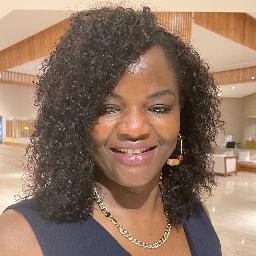







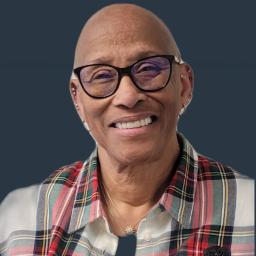


How Black Therapist therapy works for Oregon residents
If you are seeking therapy that centers Black experiences and cultural context, Black Therapist providers in Oregon combine standard clinical training with attention to cultural, historical and identity-related concerns. Whether you meet in person or online, clinicians typically begin with an intake session to understand what brings you to therapy, any immediate needs, and your goals. From there they will offer a treatment approach that might include talk therapy, skills-based work, trauma-informed care, family or couples therapy, or other modalities that fit your concerns and preferences.
Oregon therapists follow state licensing requirements and professional guidelines, which means clinicians are trained to manage practical matters like session length, fee structure, and crisis procedures. When you look at provider profiles, you will often see information about specialties, training, and the kinds of issues a clinician frequently addresses. That information can help you decide whether a particular clinician’s approach aligns with what you are looking for.
Local and community-based care
Many Black Therapist clinicians work within local clinics, community mental health centers, and independent practices in cities such as Portland, Salem and Eugene. In these community settings you may find clinicians who are experienced with regional resources and who understand local cultural dynamics. Working with someone who knows community supports - such as local support groups, cultural organizations, and social services - can make it easier to connect therapy to practical help in your daily life.
Finding specialized help for Black Therapist in Oregon
When you search for a culturally focused provider, start with details that matter most to you. Look for clinicians who explicitly state Black-centered practice or experience with racial stress and identity work. You may also want to consider language, age group focus, therapeutic style, and whether a clinician has experience with issues that are important to you - for example parenting, workplace stress, grief, or relationship concerns. In larger cities like Portland and Eugene there is often a wider range of specializations, while smaller communities may require broader searches or the use of telehealth to find an ideal match.
Referrals from local community organizations, faith leaders, or trusted providers can be a helpful route. If you belong to student communities or workplace employee assistance programs, those resources sometimes maintain lists of clinicians with relevant cultural experience. Reading provider biographies and introductory videos, when available, gives a sense of tone and approach before you schedule an appointment.
What to expect from online therapy for Black Therapist
Online therapy has become a common option for many people in Oregon, and it can be especially useful if you live outside major urban centers. With online care you can access clinicians in Portland, Salem or Eugene without travel, which may allow you to connect with someone whose background and approach feel right for you even if there are few local options. Sessions usually take place over video or phone, and are scheduled in the same way as in-person appointments.
Before an online session you will want to check your internet connection, find a comfortable space where you can speak freely, and review any forms the clinician sends. Your conversations are protected under professional ethics and state privacy laws, and clinicians should explain how your information is handled and what to do in an emergency. Online work can feel different from meeting in person - it may be easier to fit into your routine, while some people notice that nonverbal cues are less obvious. Many clinicians adapt their techniques to the online format, using more direct verbal check-ins and collaborative planning to keep sessions productive.
Common signs that someone in Oregon might benefit from Black Therapist therapy
You might consider reaching out to a Black Therapist clinician if you are feeling persistently overwhelmed by stress, having trouble with sleep or concentration, or noticing that relationships are strained. Experiences of racial stress, microaggressions, or historical and intergenerational trauma can create particular kinds of emotional burden that benefit from a therapist who understands cultural context. Other reasons people seek this specialty include identity questions, major life transitions, parenting and family concerns, and compounded stress from work or caregiving responsibilities. If everyday coping strategies are not easing your distress, or if past hurts keep resurfacing, connecting with a therapist can help you explore new ways of managing and healing.
Tips for choosing the right therapist for this specialty in Oregon
Start by clarifying what you want from therapy. Think about the issues that are most important, whether you prefer a clinician who shares aspects of your identity, and if logistical factors like evening appointments or insurance acceptance matter. When you review profiles, pay attention to training, years of experience, and stated areas of focus. Many clinicians list whether they work with specific communities or use particular modalities. If a profile mentions experience with racial stress, cultural identity or community-centered approaches, that may indicate a good fit for Black-centered therapy work.
Consider reaching out for a brief consultation before committing to an extended course of sessions. A short phone or video call can give you a sense of the clinician’s communication style, practical details such as fees and cancellation policies, and how they approach working with cultural or racial concerns. Don’t hesitate to ask about how they integrate cultural context into sessions, what kinds of goals they typically set with clients, and how they handle crises. It is reasonable to meet with more than one person before deciding - finding the right rapport is often a key factor in whether therapy feels helpful.
Location matters in practical terms. If you prefer in-person meetings, you may find more clinicians in Portland, where there is a larger and more diverse pool of providers. Salem and Eugene also host clinicians with Black-centered practices and community connections. If you live in a rural part of Oregon, telehealth can expand your options while allowing you to work with someone who has the right cultural experience. Also consider cost and insurance. Ask whether a clinician accepts your plan, offers a sliding fee scale, or can suggest community resources when cost is a barrier.
Preparing for your first few sessions
Before your first appointment, think about what you hope to get from therapy and any immediate concerns you want to address. It can help to jot down recent stressors, relationship dynamics, or patterns you have noticed. In early sessions you will work with your clinician to set goals and agree on how you will measure progress. Expect a collaborative process where you both check in on what feels useful and adjust the approach as needed.
Therapy aimed at centering Black experiences often includes conversations about identity, community, and resilience alongside symptom-focused work. You may explore how cultural strengths intersect with challenges, and how social and historical factors affect your wellbeing. Many people find this integrated approach validating and practical because it connects emotional work with real-life contexts.
Making the most of therapy in Oregon
Therapy is most effective when you feel comfortable sharing and when the work fits your life. If you are balancing busy schedules or caregiving, ask about flexible appointment times or shorter sessions. If transportation is an issue, online sessions might be the best path. Engage with local resources you trust, including community groups and cultural organizations, to complement your therapy work. Over time you may notice shifts in how you cope with stress, how you relate to others, and how you carry your cultural history in daily life. If progress stalls, a direct conversation with your clinician about changing tactics or trying a referral is a normal part of the process.
Finding a Black Therapist clinician in Oregon is a personal journey that combines practical considerations with emotional fit. Use provider profiles to narrow possibilities, take advantage of introductory calls, and choose a clinician whose approach feels respectful of your identity and goals. Whether you are in Portland, Salem, Eugene or a smaller Oregon community, options exist to help you find culturally grounded care that supports the work you want to do.